
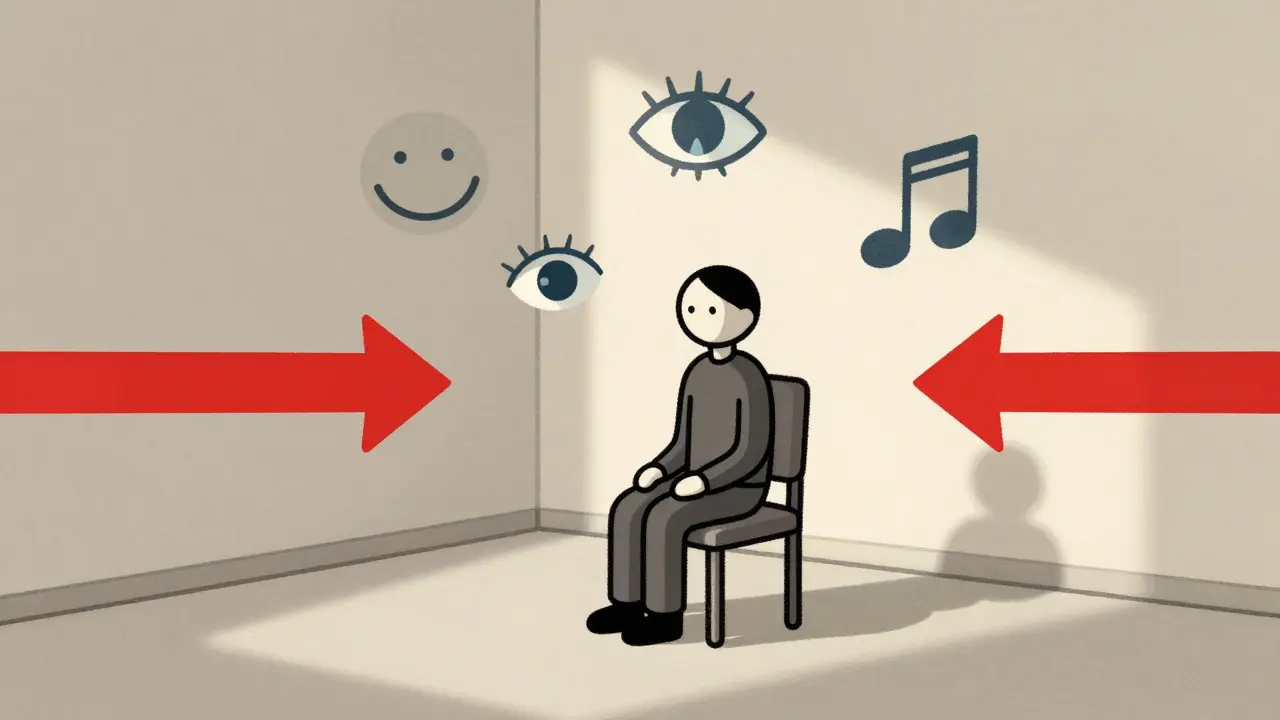
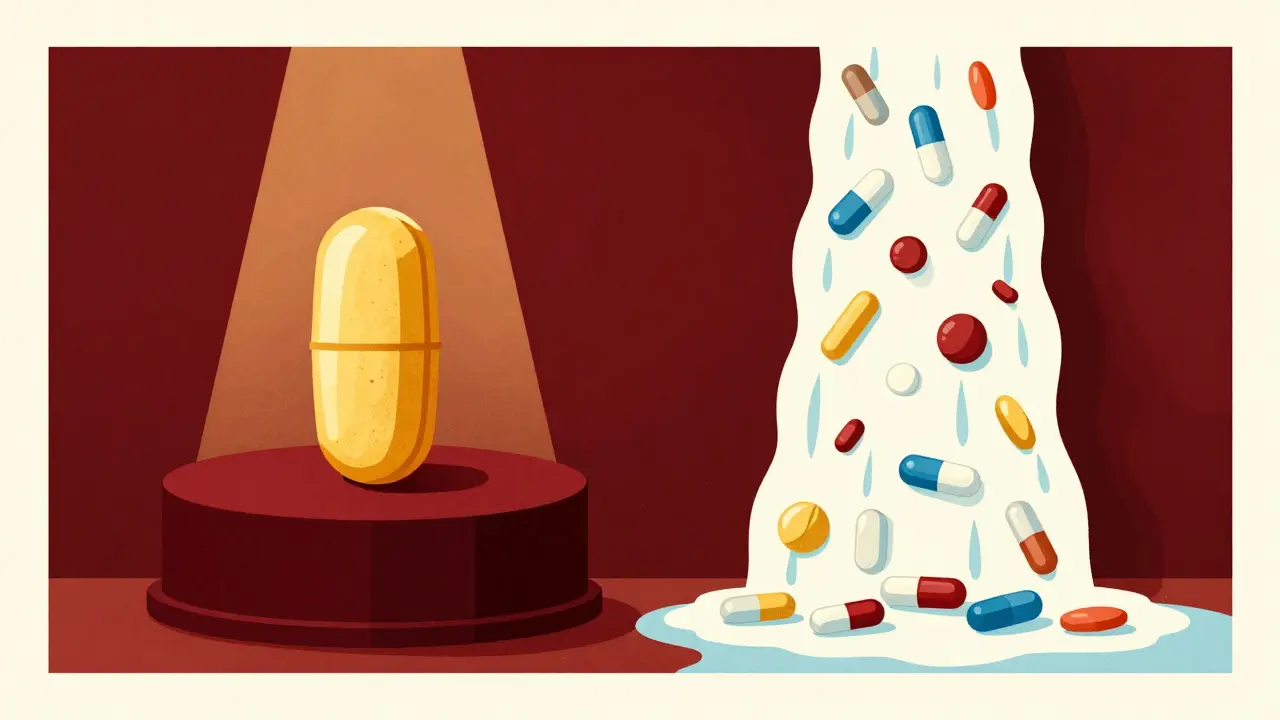
Many people start SSRIs to get out of the dark place depression has put them in. They expect to feel better-more energy, less crying, a return to normal. But instead, something strange happens. They don’t cry when they should. They don’t laugh at jokes that used to kill them. Their partner says they’ve become distant. Their favorite music feels like background noise. They’re not sad. They’re not happy. They’re just… flat. This isn’t rare. It’s not a sign of weakness. It’s called emotional blunting, and it affects between 40% and 60% of people taking SSRIs like sertraline, escitalopram, or fluoxetine.
What Emotional Blunting Actually Feels Like
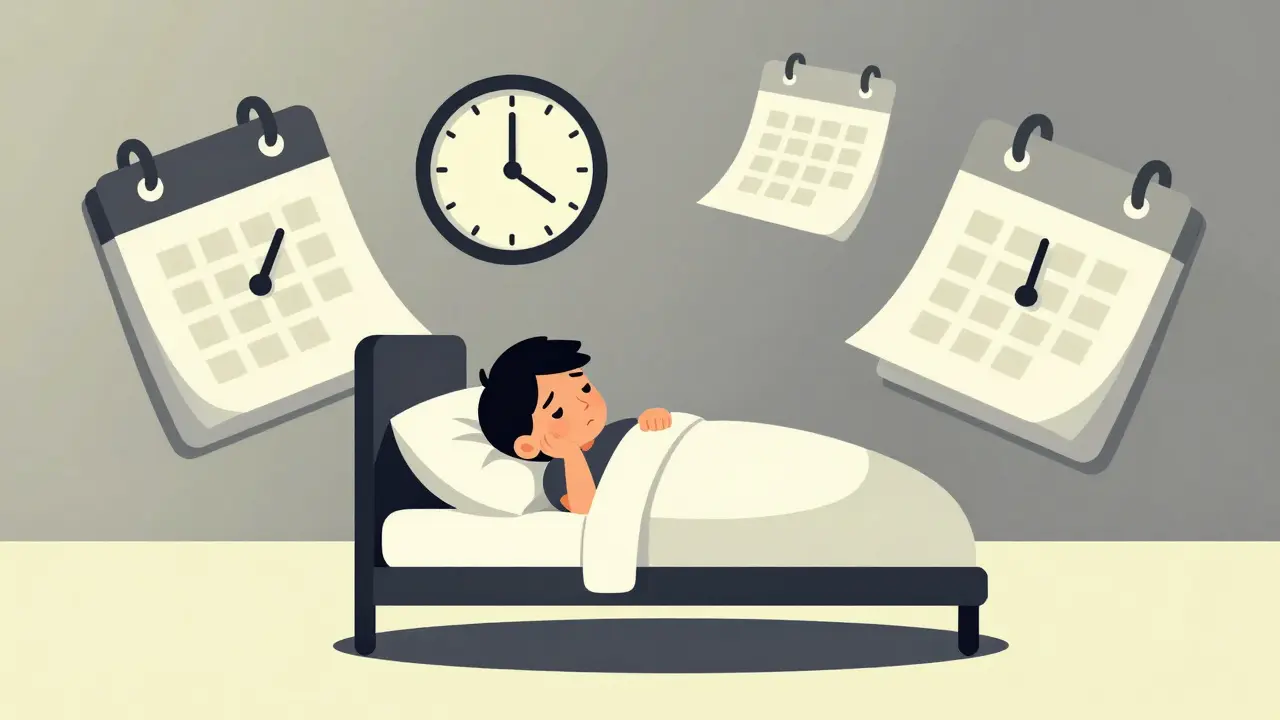
Emotional blunting isn’t just being tired or stressed. It’s a quiet erasure of feeling. You still recognize sadness in a movie. You know your friend is upset. But the emotional punch? Gone. You don’t feel joy when your dog runs to greet you. You don’t cry at a funeral. You don’t get angry when someone cuts you off. Everything feels muted, like someone turned down the volume on your inner world.
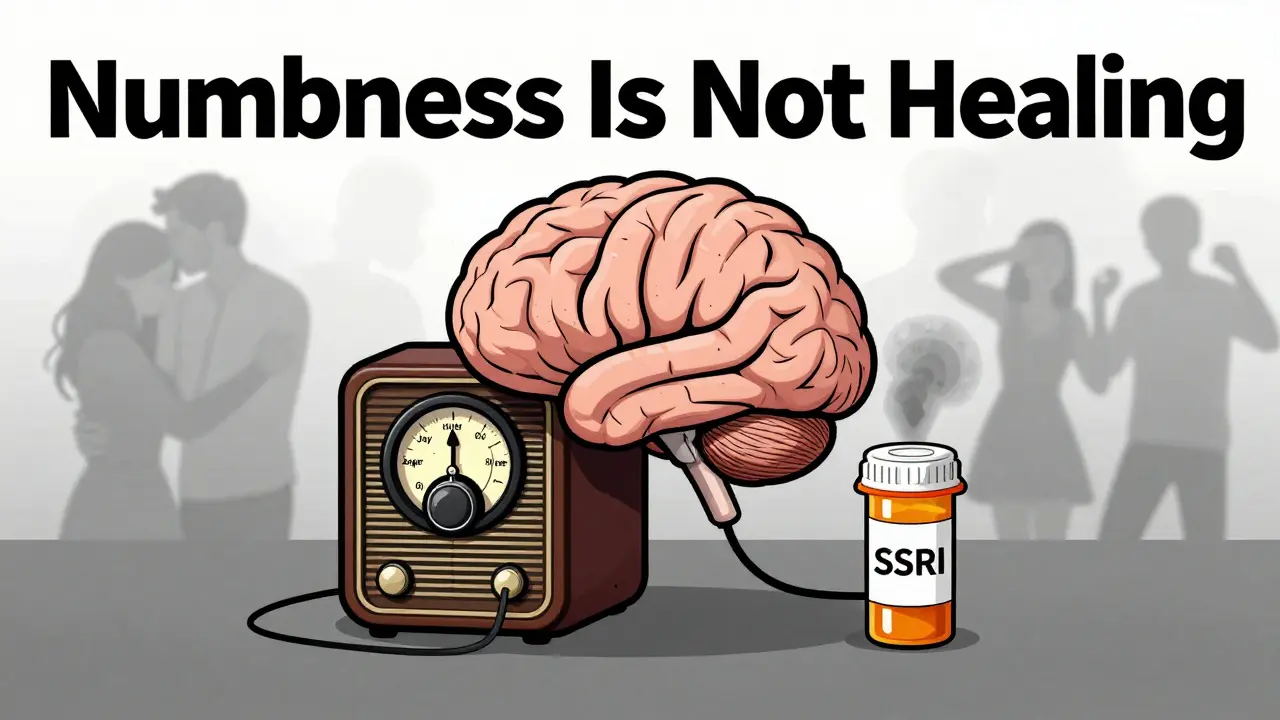
It’s not just positive emotions that fade. Negative ones do too. You stop feeling overwhelmed by grief or rage. That might sound good at first-especially if you were drowning in panic attacks or crushing sadness. But over time, you realize you’re not healing. You’re just numb. And numbness doesn’t fix relationships. It doesn’t help you reconnect with art, music, or hobbies. It doesn’t make you feel alive.
Studies from the University of Cambridge in 2022 showed SSRIs interfere with reinforcement learning-the brain’s way of learning from rewards and consequences. When that system slows down, you stop finding things pleasurable because your brain stops registering them as meaningful. This isn’t depression lingering. It’s a direct effect of the drug on how your brain processes emotion.
Why This Isn’t Just ‘In Your Head’
Some doctors still dismiss emotional blunting as ‘just part of recovery’ or ‘residual depression.’ But that’s not accurate. People who’ve been on SSRIs for months and still feel flat aren’t ‘not trying hard enough.’ They’re not failing therapy. Their brain chemistry has changed.
Unlike cognitive side effects-like memory fog or trouble concentrating-emotional blunting hits something deeper: hot cognition. That’s the part of your brain that handles moral judgment, emotional recognition, and social connection. Brain scans show reduced activity in the amygdala and prefrontal cortex when people on SSRIs view emotional faces. They can name the emotion-‘that’s sadness’-but they don’t feel it.
And it’s not just lab results. Real people are speaking up. On Reddit’s r/antidepressants, one user wrote: ‘I stopped crying at sad movies and didn’t feel joy when my dog greeted me-just a flat nothing.’ That post got over 2,300 upvotes. On Drugs.com, 32% of escitalopram reviews mention emotional numbness. Compare that to bupropion, where only 12% report the same issue.
SSRIs Aren’t the Only Option
If you’re feeling this way, you’re not stuck. There are other antidepressants that don’t hit your emotions the same way.
Bupropion (Wellbutrin) is the most studied alternative. It works on dopamine and norepinephrine, not serotonin. That means it doesn’t suppress emotional responsiveness the way SSRIs do. In a 2022 meta-analysis of 1,243 patients, switching to bupropion improved emotional blunting in 72% of cases. Many people report feeling more motivated, more engaged, and more emotionally present after the switch.
Mirtazapine and agomelatine also have lower rates of emotional blunting. Mirtazapine blocks certain serotonin receptors that may contribute to numbness. Agomelatine works on melatonin and serotonin receptors to reset circadian rhythms, which can improve mood without dulling emotion.
And then there’s vortioxetine. Early studies suggest it may improve emotional processing while still treating depression. But the data is limited, and most studies were funded by the manufacturer. Still, it’s worth discussing if other options haven’t worked.
Here’s what doesn’t work: switching from one SSRI to another. If escitalopram made you numb, sertraline probably will too. The problem isn’t the specific drug-it’s the class. All SSRIs and SNRIs affect serotonin the same way, and that’s what causes the blunting.
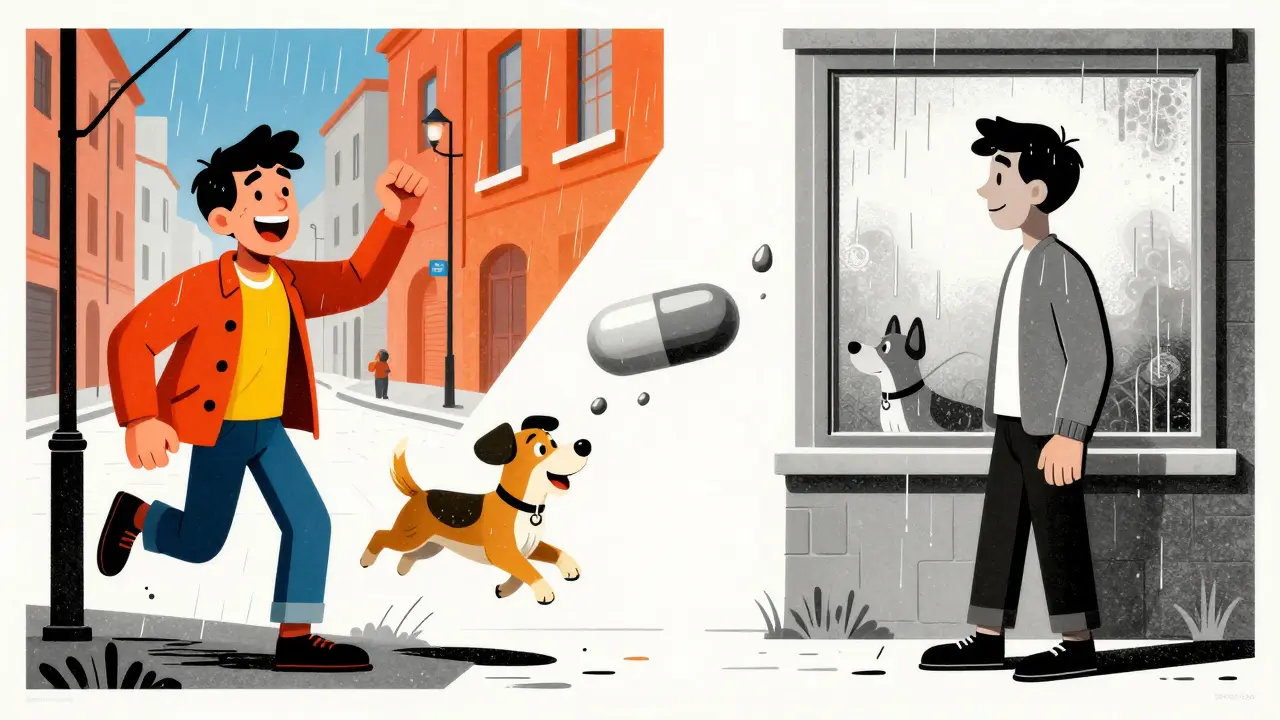
What to Do If You’re Already on an SSRI
You don’t have to quit cold turkey. Abruptly stopping SSRIs can trigger withdrawal-dizziness, brain zaps, nausea, even anxiety spikes. That’s why tapering matters.
Step 1: Talk to your doctor about lowering your dose. Many people find relief by reducing their SSRI dose by 25-50%. In one study, 68% of patients saw improvement in emotional blunting after a controlled reduction. You might lose some of the antidepressant effect, but if you’re feeling nothing at all, that trade-off might be worth it.
Step 2: Consider adding bupropion. This is called augmentation. You stay on your SSRI but add a low dose of bupropion (150mg/day). This helps lift the emotional fog while keeping the mood-stabilizing benefits of the SSRI. In clinical data, this approach worked for 63% of patients.
Step 3: Give it time. Changes don’t happen overnight. It takes 4-6 weeks for your brain to adjust after a dose change or switch. Be patient. Track your emotions in a journal. Note what makes you feel something-even a little. A good song. A laugh with a friend. A quiet moment in the sun.
Step 4: Get screened regularly. Only 38% of psychiatrists routinely ask about emotional blunting, according to the American Psychiatric Association. Don’t wait for them to notice. Bring it up. Say: ‘I’m not feeling much of anything anymore. Is this normal?’ If they brush you off, find someone who listens.
When Numbness Was Necessary
Some people say: ‘I needed to feel numb to survive.’ And they’re right. During the worst of depression, when you couldn’t get out of bed, when every thought felt like a hammer to the chest, the numbness might have been a lifeline. It gave you space to breathe. It stopped the emotional tsunami.
But recovery isn’t about staying numb. It’s about coming back to life. If you’re stable now-if you’re sleeping, eating, showing up for work-then maybe it’s time to ask: ‘Can I feel more?’
One patient on a mental health forum wrote: ‘I needed the numbness to function during my worst episode. Now I want to feel again-even if it hurts.’ That’s the turning point for so many.
The Bigger Picture
Over 8 million people in England alone were prescribed antidepressants in 2021-22. That’s millions of people navigating the line between relief and emptiness. The global antidepressant market hit $14.7 billion in 2022. And yet, emotional blunting remains underdiagnosed, underdiscussed, and often ignored by the medical system.
The European Medicines Agency added emotional blunting to SSRI labels in 2022 after patient advocacy. The National Institute of Mental Health just funded a $4.2 million study to find biomarkers for it. Researchers are working on new drugs that treat depression without dulling emotion-some expected to hit the market by 2026-2028.
But you don’t have to wait. Right now, you have options. You don’t have to accept numbness as the price of stability. You don’t have to choose between feeling nothing and feeling everything at once. There’s a middle path.
Final Thoughts
Depression steals your joy. SSRIs can help you get it back. But sometimes, they steal something else-your ability to feel at all. That’s not a success story. That’s a trade-off no one should make without knowing the cost.
If you’re on an SSRI and you’ve noticed this numbness, you’re not broken. You’re not failing. You’re experiencing a known, common, and treatable side effect. Talk to your doctor. Ask about bupropion. Ask about lowering your dose. Ask about alternatives. Keep a journal. Notice small moments of feeling. Even a flicker counts.
You deserve to feel more than just ‘not depressed.’ You deserve to feel alive.
Is emotional blunting the same as depression?
No. Depression involves persistent sadness, hopelessness, and loss of interest. Emotional blunting is a flattening of all emotions-positive and negative-often caused by SSRIs. Someone can be emotionally numb but not depressed. They might be sleeping well, eating regularly, and functioning at work, but still feel disconnected from joy, grief, or anger.
Do all SSRIs cause emotional blunting?
Yes, all SSRIs and SNRIs carry this risk because they work by increasing serotonin levels in the brain, which affects emotional processing. Studies show no significant difference between escitalopram, sertraline, fluoxetine, or paroxetine in how often they cause blunting. The issue is the drug class, not the specific medication.
Can I fix emotional blunting by just waiting it out?
Sometimes, emotional blunting improves after several months as your brain adjusts. But for many, it persists or gets worse. Waiting isn’t a reliable solution. If you’re still feeling numb after 3-4 months, it’s time to talk to your doctor about adjusting your treatment-not just hoping it’ll pass.
Is bupropion a good replacement for SSRIs?
For emotional blunting, yes. Bupropion doesn’t increase serotonin, so it doesn’t cause the same emotional dulling. Studies show it improves emotional responsiveness in 72% of people who switch from SSRIs. It’s also effective for depression and doesn’t cause sexual side effects, which often come with SSRIs. But it can increase anxiety or cause insomnia in some people, so it’s not right for everyone.
How long does it take to feel emotions again after stopping an SSRI?
After reducing your dose or switching medications, it usually takes 4 to 6 weeks for emotional sensitivity to return. Some people notice changes sooner-within 2 weeks-especially if they’re lowering their dose. Others take longer. Patience and tracking your mood daily help you see subtle improvements. Don’t expect to feel like you did before depression, but look for small signs: a song that moves you, a laugh that feels real, a moment of quiet joy.
Can therapy help with emotional blunting?
Yes, but only if your emotions are available to work with. Therapy like CBT or ACT works best when you can feel and reflect on your emotions. If you’re completely numb, therapy may feel pointless. That’s why medication adjustment often needs to come first. Once your emotional range starts returning, therapy becomes much more effective at helping you reconnect with your feelings and rebuild meaning.
Is emotional blunting permanent?
No. In the vast majority of cases, emotional blunting reverses once the SSRI is reduced or switched. A small number of people report lingering numbness for months after stopping, but this is rare and often linked to unresolved depression or prolonged high-dose use. With proper management, most people regain their emotional sensitivity.
Should I stop my SSRI if I’m feeling emotionally flat?
Don’t stop abruptly. Stopping SSRIs suddenly can cause withdrawal symptoms like dizziness, brain zaps, nausea, and increased anxiety. Instead, talk to your doctor. They can help you taper safely and explore alternatives. Your mental health is important, but so is your emotional life. You don’t have to choose between stability and feeling.


Bradly Draper
December 28, 2025 AT 09:26I felt this so hard. Took me months to realize I wasn't depressed anymore-I was just empty. Like my soul got put on mute.
Julius Hader
December 28, 2025 AT 14:10Y’all need to stop blaming the meds. If you’re numb, maybe you’re just not ready to feel again. Life ain’t a Netflix binge-you can’t just press play on joy. 😌
Vu L
December 29, 2025 AT 14:45So SSRIs make you numb but bupropion’s the magic fix? Bro, I took Wellbutrin and got anxiety so bad I cried in a Target parking lot. Also, what about the 30% who don’t improve? Just sayin’.
James Hilton
December 30, 2025 AT 13:52Wow. So the solution to feeling nothing is… more pills? 😂
Mimi Bos
December 30, 2025 AT 14:35i just wanted to feel something again but now im scared to even try bc what if i feel too much??
Payton Daily
December 31, 2025 AT 19:08This whole thing is a metaphysical trap. SSRIs don’t cause emotional blunting-they reveal that we were never really feeling anything to begin with. The numbness isn’t the side effect. It’s the truth wearing a lab coat. We’ve been outsourcing our humanity to Big Pharma while our souls gathered dust. Wake up.
Kelsey Youmans
December 31, 2025 AT 21:24Thank you for articulating this with such clinical precision and compassion. Emotional blunting is a profoundly under-recognized phenomenon, and your references to neurobiological mechanisms are both accurate and deeply needed in public discourse.
Sydney Lee
January 2, 2026 AT 08:14Of course the medical establishment ignores this-they’re too busy selling serotonin reuptake inhibitors to 8 million people to care about the cost of human feeling. You think they want you to feel? They want you to be compliant. And profitable.
oluwarotimi w alaka
January 4, 2026 AT 07:33USA always wanna fix everything with pills. In Nigeria we feel everything-pain, joy, rage, love. We don’t need some chemical to make us feel normal. You people are weak. This is what happens when you eat too much processed food and watch too much TikTok.
Debra Cagwin
January 6, 2026 AT 00:25You are not broken. You are not failing. You are human. And it’s okay to ask for a different path. I’ve been there. You’re not alone. Keep going-even if it’s just one small moment of warmth today. That’s enough.
ANA MARIE VALENZUELA
January 6, 2026 AT 13:07Wow. So now we’re just supposed to switch meds like swapping phone cases? You think this is simple? I tried bupropion. Got insomnia, panic attacks, and then my boss asked if I was ‘on something.’ Meanwhile, my SSRI at least kept me from screaming into my pillow at 3 a.m. You’re not helping. You’re just adding another layer of guilt.
Hakim Bachiri
January 7, 2026 AT 17:38Emotional blunting? Pfft. That’s just what happens when you let your brain get lazy. Back in my day, we felt everything-good and bad-and we didn’t need no fancy pills to tell us how to feel. Also, who funded this article? Pfizer? 🤔
Celia McTighe
January 7, 2026 AT 22:21Thank you for writing this. I’ve been on sertraline for 3 years and just realized last month that I haven’t cried at a movie since 2021. I started journaling tiny moments-like the smell of rain or my cat purring-and it’s helping. Not perfect, but… alive again. 💛
Ryan Touhill
January 8, 2026 AT 14:07It’s not about the drugs-it’s about the cultural collapse of emotional literacy. We’ve been trained to medicate discomfort instead of sit with it. The real tragedy isn’t the numbness-it’s that we’ve forgotten how to be still, how to feel without fixing, how to exist without optimizing. This isn’t a pharmacological issue. It’s a spiritual one.