
Pediatric Antihistamine Dosing Calculator
Calculate Safe Antihistamine Dose
Important: Always use the oral syringe provided with the medication, not kitchen spoons. This calculator is for general guidance only. Consult your pediatrician or pharmacist for personalized dosing advice.
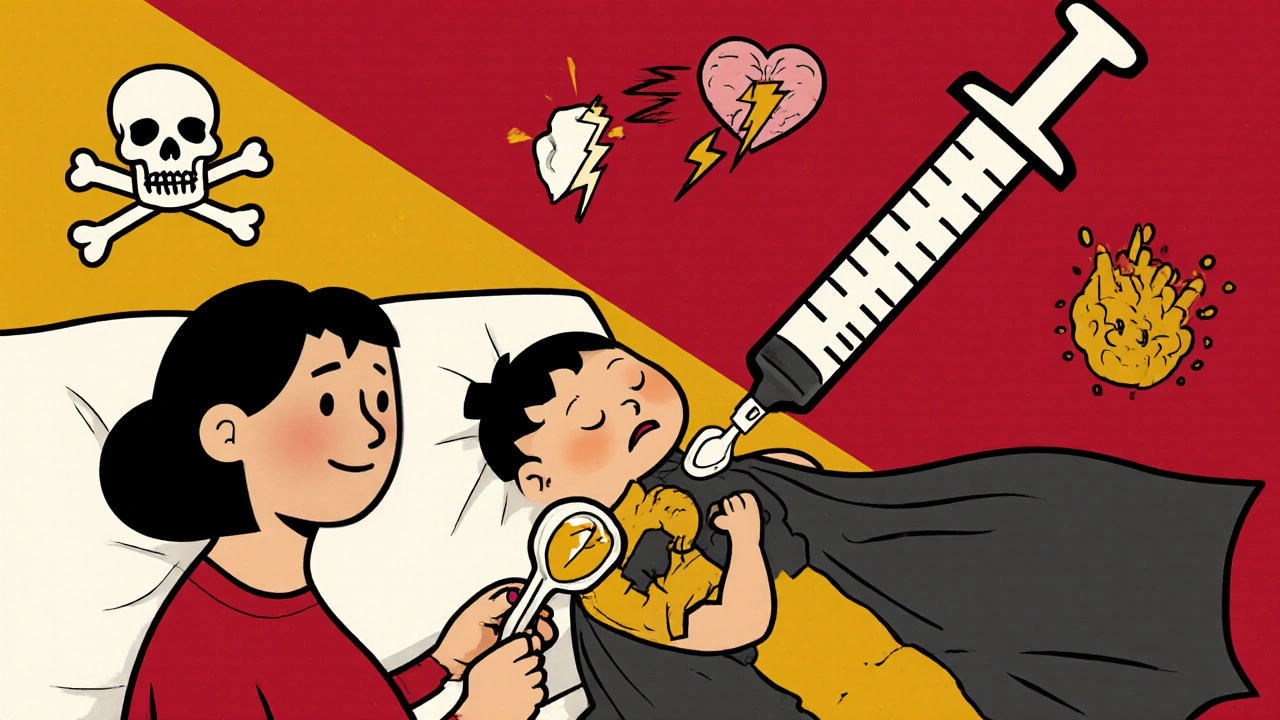
Pediatric antihistamine dosing errors are one of the most common-and dangerous-medication mistakes parents make. Every year, over 21,000 children under six end up in emergency rooms because someone gave them the wrong amount of an antihistamine like Benadryl, Zyrtec, or Claritin. Many of these cases aren’t accidents caused by neglect. They’re the result of confusion, outdated advice, and tools that don’t measure accurately. The good news? Almost all of these errors can be prevented with simple, clear steps.
Why Kids Are at Higher Risk
Children aren’t just small adults. Their bodies process medications differently, and even a small mistake in dosage can lead to serious side effects: extreme drowsiness, rapid heartbeat, seizures, or trouble breathing. First-generation antihistamines like diphenhydramine (Benadryl) are especially risky. They cross the blood-brain barrier easily, which is why they make adults sleepy-but in young kids, they can cause agitation, hallucinations, or even coma. The FDA and American Academy of Pediatrics now warn against using diphenhydramine for colds or routine allergies in children under two. Yet, many caregivers still reach for it because it’s cheap, widely available, and they remember using it themselves as kids.The Biggest Mistake: Using Kitchen Spoons
The single most common error? Using a regular kitchen spoon to measure liquid medicine. A teaspoon isn’t a teaspoon. One kitchen spoon might hold 3 mL, another 7 mL. That’s a 130% difference. A study in the Annals of Internal Medicine found this leads to dosing errors as high as 300%. Even if you think you’re being careful, you’re not measuring accurately. The FDA required all pediatric liquid medications to come with a proper measuring device since 2011-but 42% of parents still use spoons, cups, or droppers not designed for medicine.Understanding the Numbers: Liquid Concentrations
Not all children’s antihistamines are made the same. Confusion happens when parents don’t check the concentration. For example:- Children’s Benadryl (diphenhydramine): 12.5 mg per 5 mL (that’s 2.5 mg per mL)
- Children’s Zyrtec (cetirizine): 5 mg per 5 mL (1 mg per mL)
- Children’s Claritin (loratadine): 5 mg per 5 mL (1 mg per mL)
Weight Matters More Than Age
Age-based dosing charts are misleading. A 1-year-old weighing 25 pounds needs a higher dose than a 3-year-old weighing 22 pounds. The American Academy of Pediatrics says to always dose by weight, not age. Here’s what you need to know:- For children 20-24 lbs: Benadryl = 3.75 mL (¾ teaspoon), Zyrtec = 2.5 mL (½ teaspoon), Claritin = 2.5 mL
- For children 25-37 lbs: Benadryl = 5 mL (1 teaspoon), Zyrtec = 5 mL, Claritin = 5 mL
- For children 38-49 lbs: Benadryl = 7.5 mL (1.5 teaspoons), Zyrtec = 5 mL, Claritin = 5 mL
Why Second-Generation Antihistamines Are Safer
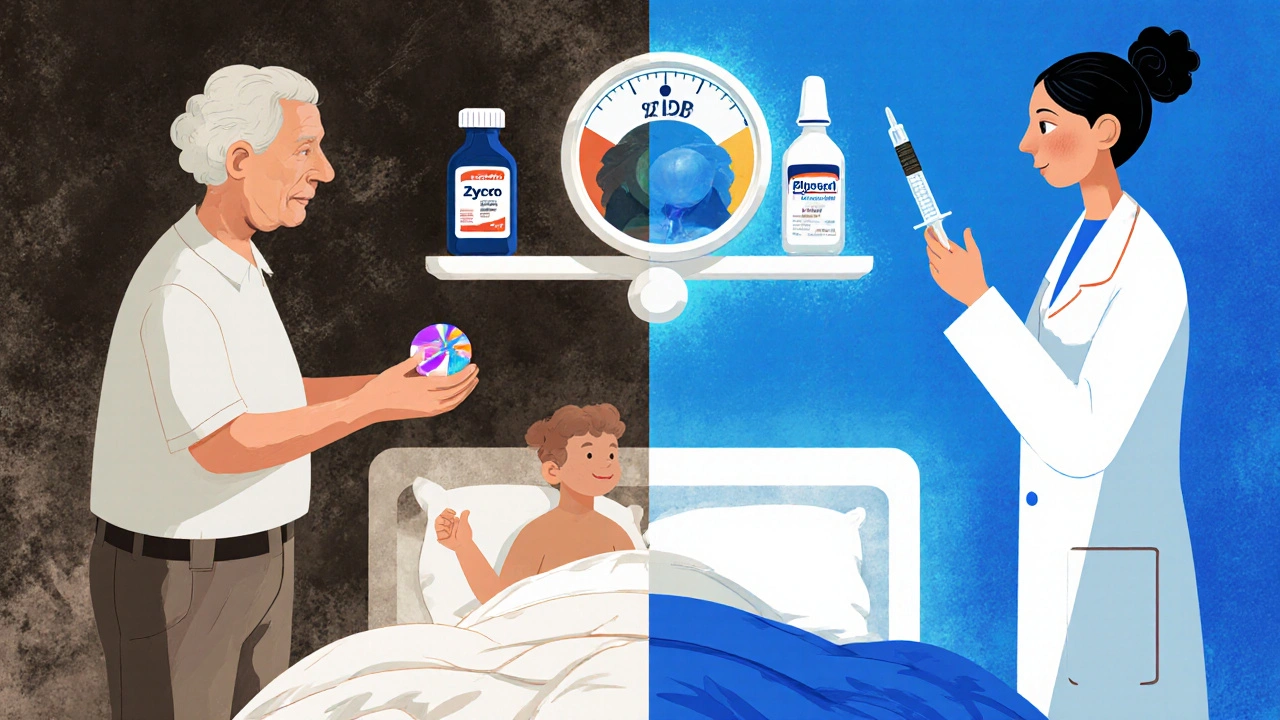
Loratadine (Claritin) and cetirizine (Zyrtec) are second-generation antihistamines. They don’t cross the blood-brain barrier as easily, so they don’t cause drowsiness or agitation in most kids. Their therapeutic index-the gap between a safe dose and a toxic one-is about 10 times wider than diphenhydramine’s. That means you have more room for error. If you accidentally give 10 mg instead of 5 mg of Zyrtec, your child might just have a slightly dry mouth. Give 25 mg instead of 12.5 mg of Benadryl? That could land them in the ER.Chewable Tablets and Choking Risks
Many parents think chewables are easier than liquids. But they come with their own dangers. The FDA’s MAUDE database shows 12% of pediatric medication errors involve choking on chewable tablets. These aren’t candy. They’re dense, hard pills that can block a child’s airway. Never give chewables to kids under four. If your child is under four, stick to liquid with a syringe. If they’re older, make sure they sit still while taking it. Don’t let them run around with a pill in their mouth.What to Do If You’re Unsure
If you’re confused, stop. Don’t guess. Don’t ask a friend. Don’t look up a random chart on Pinterest. Here’s what to do instead:- Check the label. Look for the concentration (mg per mL). Write it down.
- Use the measuring device that came with the bottle. It’s not optional. It’s the only tool that gives you accurate doses.
- Use a digital scale if you’re weighing your child. Most pediatricians give weight in pounds, but dosing is based on kilograms. Divide pounds by 2.2 to get kg.
- Call your pharmacist. They’re trained to catch these errors. One study found pharmacists fix 19% of pediatric antihistamine prescriptions before they leave the counter.
- Use the Poison Control app (1-800-222-1222). It has a dosing calculator built in.
Real Stories, Real Risks
One parent on Reddit shared that she gave her 18-month-old the “1-2 year” dose of Zyrtec because the chart said so. But the chart didn’t say weight. Her child weighed 22 pounds-right at the edge of the next range. She didn’t realize Zyrtec’s dose doesn’t change until 25 pounds. She gave 2.5 mg. That’s correct. But she was terrified because she didn’t trust the chart. That fear? It’s real. And it’s justified. Another case involved a grandparent giving a 23-month-old an adult Benadryl tablet-50 mg-thinking it was the same as the children’s version. The child was hospitalized for 48 hours with respiratory distress. That’s not rare. It’s documented in the FDA’s database. Grandparents are involved in 37% of pediatric dosing errors, even though they’re only 18% of caregivers. That’s why education needs to reach everyone who gives medicine to a child.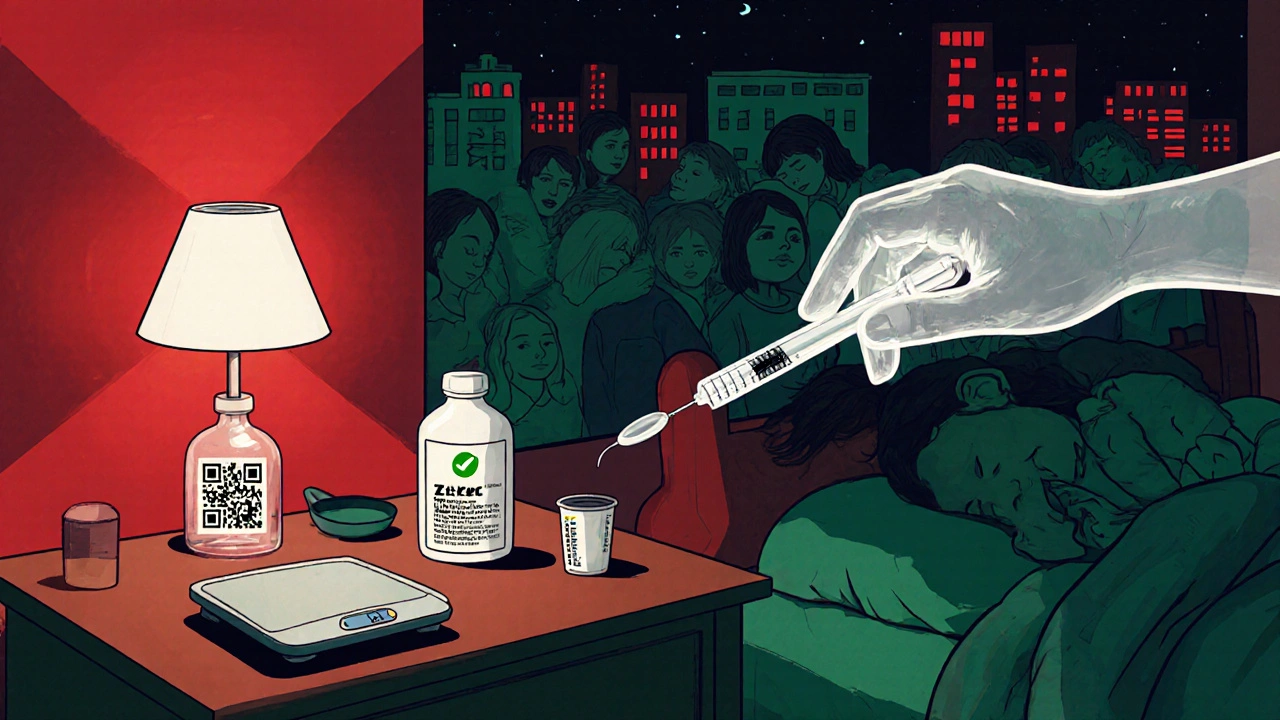
How to Get It Right Every Time
Here’s your checklist:- Always use an oral syringe-not a spoon, cup, or dropper. Get one from the pharmacy if it didn’t come with the medicine.
- Measure in milliliters (mL), never teaspoons or tablespoons. Even if the label says “teaspoon,” convert it to mL. 1 tsp = 5 mL. Always.
- Double-check the concentration on the bottle. Write it down. Compare it to the dosing chart.
- Use weight, not age. If you don’t know your child’s current weight, ask your pediatrician or weigh them at home with a baby scale.
- Choose Zyrtec or Claritin over Benadryl for routine allergies. Save Benadryl for emergencies like hives or anaphylaxis, and only under a doctor’s direction.
- Store medicine out of reach and never leave it on the counter. Kids can grab it. So can grandparents.
What’s Changing in 2025
The FDA is rolling out new rules: all pediatric liquid medications will soon include a QR code that links to a short video showing how to measure the dose correctly. Pilot programs at Boston Children’s Hospital showed a 53% drop in errors after families watched the videos. Pediatric clinics are also standardizing weight-based dosing charts so there’s no more confusion between “St. Louis Children’s Hospital says 7.5 mg” and “Pediatrics of Greater Houston says 5 mg.” That’s a big step forward.When to Call Poison Control
If you think your child got too much antihistamine, call 1-800-222-1222 immediately. Don’t wait for symptoms. Don’t Google it. Don’t ask a friend. Don’t assume they’ll be fine. Even if they seem okay, the effects can be delayed. Signs to watch for:- Extreme sleepiness or inability to wake up
- Agitation, hallucinations, or seizures
- Rapid or irregular heartbeat
- Flushed skin or dry mouth
- Difficulty breathing
Can I give my child Benadryl for a cold?
No. The FDA and American Academy of Pediatrics strongly advise against using first-generation antihistamines like Benadryl for colds in children under 6. They don’t help with congestion or runny nose, and they carry serious risks like drowsiness, breathing problems, and seizures. Use saline drops and a humidifier instead.
Is Zyrtec safer than Benadryl for kids?
Yes. Zyrtec (cetirizine) is a second-generation antihistamine with a much wider safety margin. It doesn’t cause drowsiness or agitation in most children and is approved for use in kids as young as 6 months. Benadryl has a narrow therapeutic index-meaning the difference between a helpful dose and a dangerous one is small. Zyrtec is the better choice for daily allergy relief.
How do I know if I’m using the right measuring tool?
Only use the oral syringe or dosing cup that came with the medicine. These are marked in milliliters (mL), not teaspoons. Kitchen spoons vary too much to be reliable. If you lost the device, ask your pharmacy for a free one. They have them on hand.
What if my child spits out the medicine?
Don’t give another dose. If your child spits out or vomits the medicine, wait and call your pediatrician. Re-dosing can lead to overdose. Instead, try mixing the dose with a small amount of applesauce or using a flavored version. Some pharmacies offer custom flavors.
Can I use a tablet for a toddler?
Only if your child is over 4 years old and can safely chew and swallow without choking. For younger kids, always use liquid with a syringe. Chewable tablets are a leading cause of choking in pediatric medication errors. If you must use a tablet, crush it and mix it with a spoonful of applesauce-but only if the label says it’s safe to crush.
Sherri Naslund
November 20, 2025 AT 09:16Ashley Miller
November 20, 2025 AT 21:12Martin Rodrigue
November 21, 2025 AT 03:42Danielle Mazur
November 22, 2025 AT 00:28Margaret Wilson
November 23, 2025 AT 00:31william volcoff
November 24, 2025 AT 00:03Freddy Lopez
November 24, 2025 AT 20:44Brad Samuels
November 26, 2025 AT 16:14Mary Follero
November 27, 2025 AT 06:23Will Phillips
November 27, 2025 AT 17:45Tyrone Luton
November 28, 2025 AT 23:09Jessica Engelhardt
November 29, 2025 AT 08:05