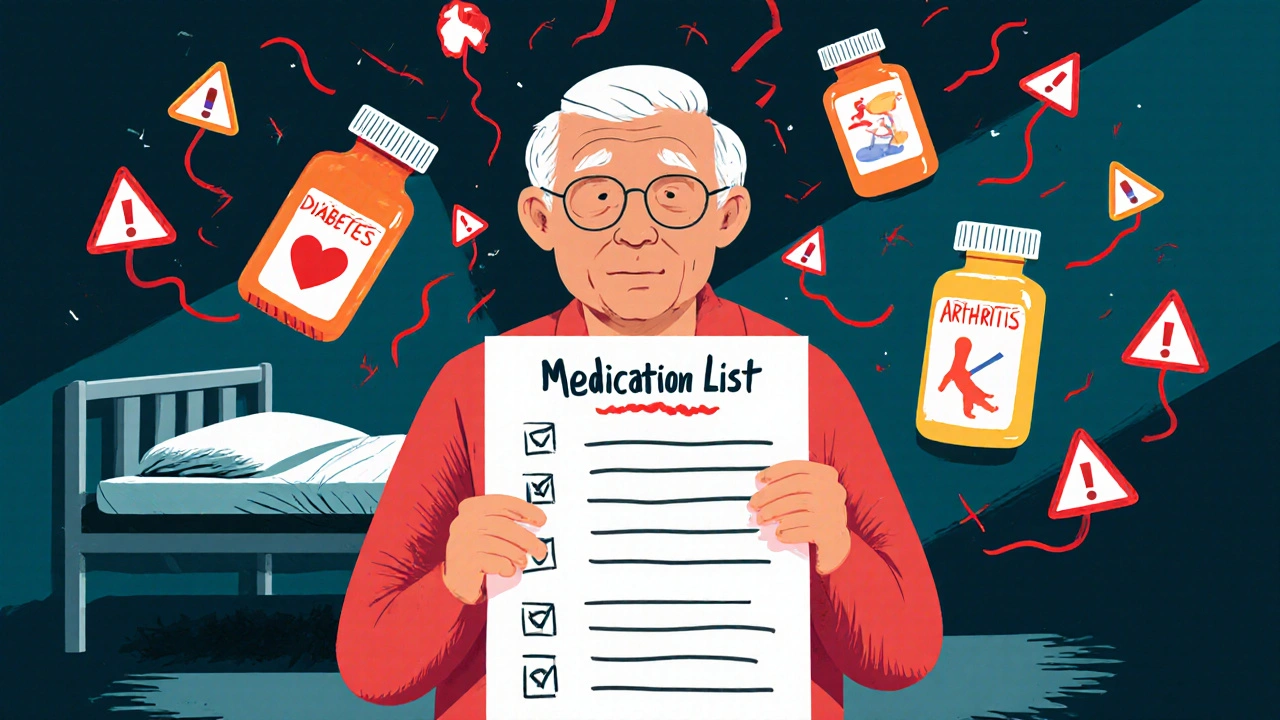
Chronic Condition Meds: What You Need to Know About Long-Term Medication Use
When you’re managing a chronic condition meds, medications taken daily to control long-term illnesses like hypertension, diabetes, or autoimmune diseases. Also known as long-term prescription drugs, they’re not meant to cure—but to keep you stable, safe, and out of the hospital. For millions, these drugs are part of daily life, like brushing your teeth. But taking them for years brings questions: Are generics safe? Can they interact with your supplements? Why does missing one pill matter so much?
Generic drugs, lower-cost versions of brand-name medications that must meet FDA bioequivalence standards make up 90% of prescriptions in the U.S. For most people, they work just as well. But for drugs with a narrow therapeutic index, a small difference in dosage can cause toxicity or treatment failure—like immunosuppressants, drugs like cyclosporine and tacrolimus that prevent organ rejection after transplants—switching brands can be risky. One study found patients who switched generics had higher rejection rates. It’s not about quality—it’s about tiny differences in how your body absorbs the drug.
Then there’s drug interactions, when two or more medications, supplements, or foods change how a drug works in your body. A common painkiller like ibuprofen can raise your blood pressure if you’re on hypertension meds. Turmeric supplements might thin your blood too much when combined with anticoagulants. These aren’t rare edge cases—they happen daily. That’s why reading your medication guide isn’t optional. It’s your first line of defense.
And adherence? That’s the silent killer. Medication adherence, taking your drugs exactly as prescribed, on time, every day—is the biggest factor in whether your chronic condition stays under control. Miss a few doses of your statin? Your cholesterol creeps up. Skip your insulin? Your blood sugar spikes. Apps like Medisafe and MyTherapy help, but they only work if you use them. The real problem isn’t cost or access—it’s forgetting, or thinking it’s okay to skip when you feel fine.
Chronic condition meds aren’t one-size-fits-all. What works for your neighbor might not work for you. Some people handle statins just fine. Others get vivid dreams or muscle pain. Some do better on ezetimibe instead. Your liver, your diet, your sleep, your stress—all of it changes how these drugs behave in your body. That’s why your doctor needs to know everything you’re taking, even the herbal teas and over-the-counter pills.
Below, you’ll find real-world guides on exactly what matters: how to spot dangerous interactions, why switching generics can backfire, how to remember your pills without stress, and which drugs are safest for long-term use. No fluff. No marketing. Just what you need to stay in control—day after day, year after year.