Long-term medication use: Safety, risks, and smart strategies for staying healthy
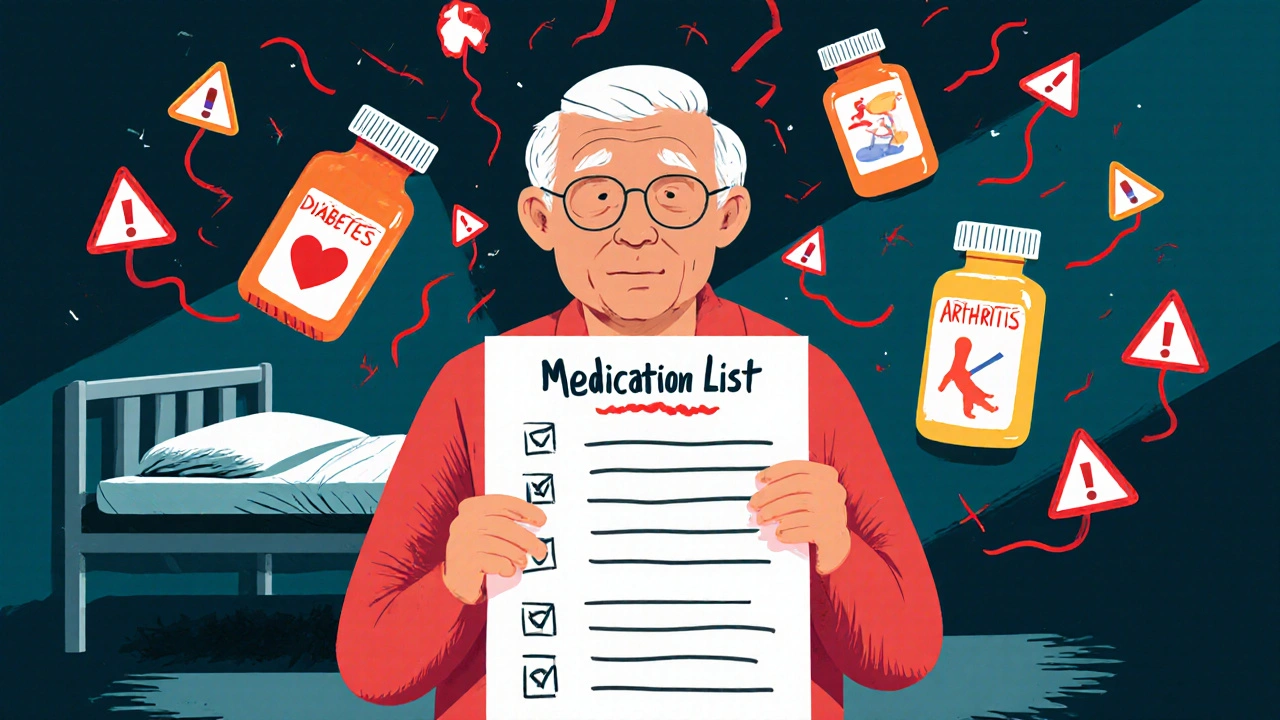
When you take a medication for months or years, it’s not just about the pill—you’re managing a whole system. Long-term medication use, the ongoing use of prescription or over-the-counter drugs for chronic conditions. Also known as chronic medication therapy, it’s how millions manage high blood pressure, diabetes, epilepsy, and mental health conditions. But staying on track isn’t just remembering to take your pills—it’s understanding how your body changes, how drugs interact, and when a generic switch might cost you more than it saves.
Generic drugs, chemically identical versions of brand-name medications approved by the FDA. Also known as non-brand drugs, they make up 90% of prescriptions in the U.S. and save billions yearly. But for drugs with a narrow therapeutic index, a tiny difference in dosage can cause serious harm or treatment failure—like immunosuppressants or antiseizure meds—even small variations between manufacturers can trigger rejection, seizures, or toxicity. That’s why switching generics isn’t always a simple cost cut—it’s a medical decision. And if you’re on multiple meds, medication adherence, how consistently you take your drugs as prescribed becomes the biggest factor in whether they work. Missing doses, skipping pills because of side effects, or forgetting because life gets busy can undo years of treatment. Digital tools like Medisafe and MyTherapy help, but they’re only as good as the habits behind them.
Long-term use also brings hidden risks: drug buildup in your system, organ stress, or even rare side effects that only show up after years. Flushing old pills pollutes water supplies, while keeping them around invites accidental overdoses—especially in kids. And while most generics are safe, some patients report differences in how they feel after switching brands, even when the science says they’re identical. That’s why knowing your drug’s profile matters: Is it a statin? An antihypertensive? An immunosuppressant? Each has different long-term concerns.
What you’ll find here isn’t just theory—it’s real-world advice from people who’ve been on these meds for years. From how acamprosate helps keep sobriety stable over time, to why switching cyclosporine generics can risk organ rejection, to how digital reminders cut missed doses by nearly half. You’ll see how azilsartan helps psychiatric patients control blood pressure without worsening anxiety, and why ezetimibe’s mild stomach issues make it a better fit for some than statins. These aren’t abstract studies—they’re stories from people living with long-term treatment, and the data that backs them up.