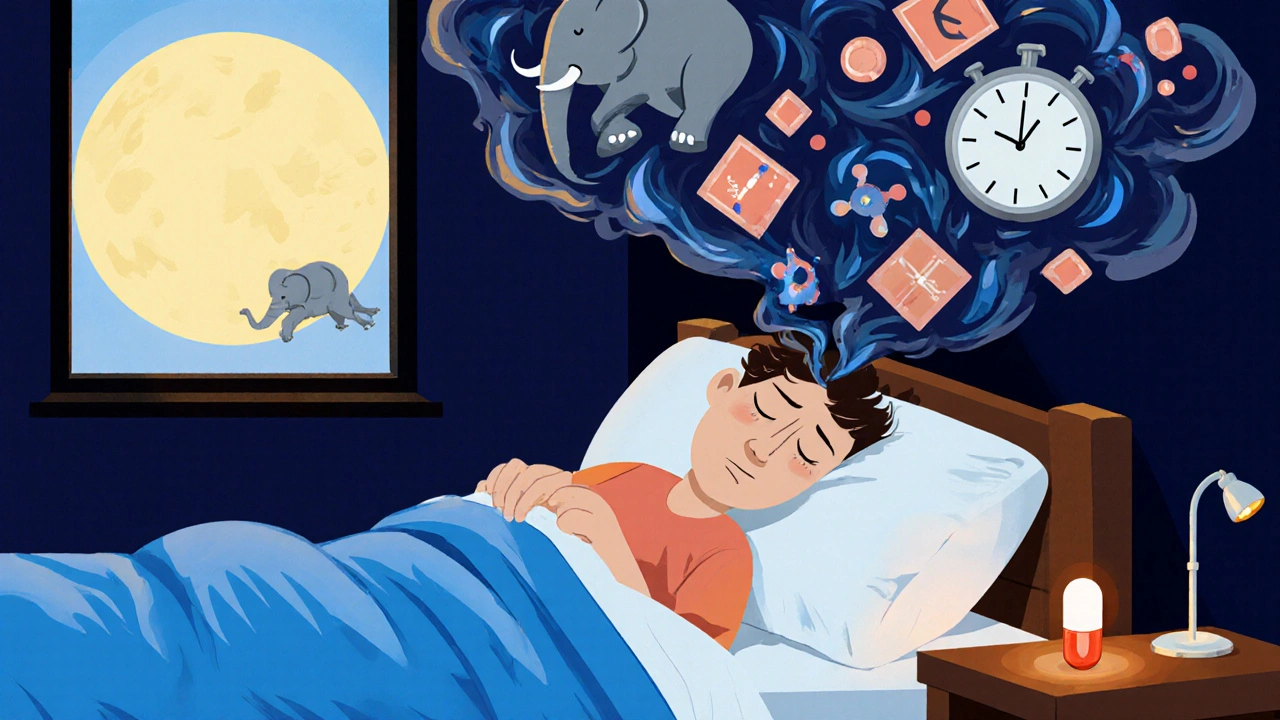
Statins and Insomnia: What You Need to Know About Sleep Problems and Cholesterol Drugs
When you take a statin, a class of cholesterol-lowering drugs used to reduce heart attack and stroke risk. Also known as HMG-CoA reductase inhibitors, they work by blocking a liver enzyme that makes cholesterol. Millions rely on them daily — but some users report trouble falling asleep or staying asleep. This isn’t just anecdotal. Research shows a small but real link between statins and insomnia, a sleep disorder marked by difficulty falling or staying asleep, even when you have the chance to rest. It’s not the same for everyone, but if you’ve noticed your sleep changing since starting a statin, you’re not alone.
Not all statins affect sleep the same way. atorvastatin, a long-acting statin often prescribed for high cholesterol and simvastatin, a shorter-acting version commonly taken at night have been mentioned more often in sleep-related reports. Why? It might have to do with how they cross into the brain or interfere with melatonin production — the hormone that tells your body it’s time to sleep. Some studies suggest statins may lower melatonin levels slightly, especially in people already sensitive to sleep disruptions. And while most people take statins at night to match the body’s natural cholesterol production cycle, that timing might accidentally make sleep issues worse for some.
It’s also worth noting that muscle pain, a common side effect of statins that can range from mild soreness to severe cramps often keeps people awake. If you’re lying there with stiff legs or aching shoulders, it’s not the drug itself keeping you up — it’s the discomfort. And if you’re stressed about your heart health, or worried about side effects, that mental load can also wreck your sleep. These aren’t always separate issues — they feed into each other.
The good news? Most people on statins sleep just fine. For those who don’t, small changes often help. Switching to a different statin, adjusting the time you take it, or adding a magnesium supplement (which supports muscle relaxation and sleep) can make a difference. Some doctors suggest trying a non-statin cholesterol drug like ezetimibe, a cholesterol absorption inhibitor with fewer sleep-related side effects if statins are clearly disrupting your rest. But never stop your statin without talking to your doctor — the heart benefits usually outweigh the sleep risks.
What you’ll find below are real, practical guides from people who’ve dealt with this exact problem. You’ll see how others managed statin-related sleep issues, what alternatives worked, and how to spot the difference between normal side effects and something that needs attention. Whether you’re just starting statins or have been on them for years, there’s something here that can help you sleep better — without giving up your heart protection.