Vivid Dreams and Statins: What You Need to Know
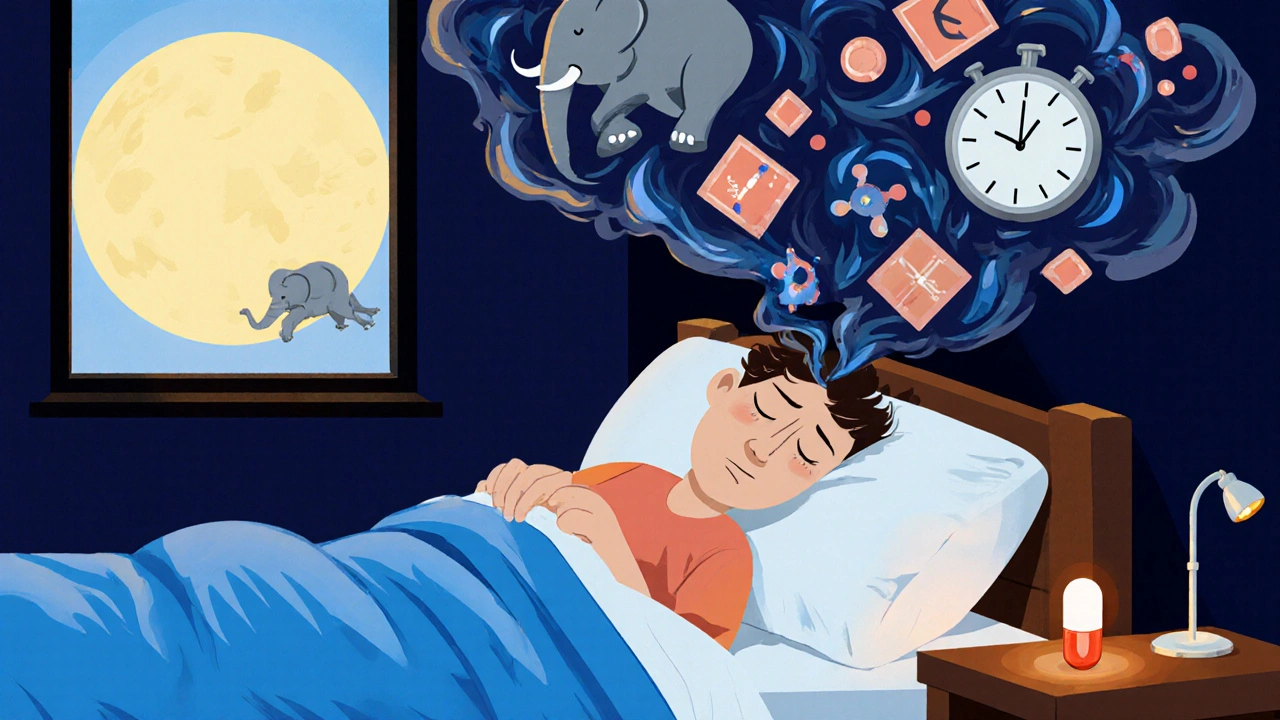
When you take statins, a class of cholesterol-lowering drugs used to reduce heart attack and stroke risk. Also known as HMG-CoA reductase inhibitors, they’re among the most prescribed medications worldwide. But for some, they come with an unexpected side effect: vivid dreams, intensely detailed, emotional, or even disturbing dreams that feel more real than normal. It’s not just in your head—this isn’t rare, and it’s documented in clinical reports and patient forums. If you’ve woken up startled after a dream about falling off a cliff or being chased by a dragon, your statin might be the reason.
Not everyone gets this. Studies suggest around 1 in 10 people on statins report unusual dream activity, with simvastatin and atorvastatin showing up more often in reports than others. The exact cause isn’t fully understood, but it’s likely tied to how these drugs affect brain chemistry—especially serotonin and melatonin pathways. Statins cross the blood-brain barrier, and that’s where things get interesting. They may alter the way your brain processes emotions during REM sleep, turning ordinary dreams into cinematic experiences. Some people say their dreams get more colorful. Others say they become nightmares. Either way, it’s real, and it’s not just "stress" or "too much coffee."
What’s tricky is that most doctors don’t bring this up unless you mention it. If you’re sleeping poorly or waking up anxious after a dream, don’t assume it’s normal aging or work stress. Track it. Note which statin you’re on, when the dreams started, and how often they happen. Sometimes switching to a different statin—like pravastatin or rosuvastatin—helps. Other times, adjusting the time you take it (from nighttime to morning) reduces the effect. You don’t have to live with sleepless nights just because your cholesterol is under control.
And while we’re talking about side effects, don’t confuse vivid dreams with other statin issues like muscle pain or memory fog. Those are separate, but they can pile up. If you’re juggling multiple meds—say, for blood pressure or depression—your dream changes might be a combo effect. That’s why understanding drug interactions, how different medications influence each other’s effects in the body. matters. A simple OTC sleep aid or even a herbal supplement like melatonin could make dreams worse. And if you’re taking something for anxiety or depression, that’s another layer. It’s not just about the statin—it’s about the whole picture.
There’s also a group of people who never had sleep issues until they started statins. They didn’t expect this. They didn’t know to ask. And now they’re stuck wondering if they should stop. But stopping statins without talking to your doctor isn’t safe. High cholesterol isn’t something you can ignore. The goal isn’t to ditch the drug—it’s to find a version or routine that lets you sleep without sacrificing heart health.
Below, you’ll find real patient experiences, practical tips for managing dream disturbances, and clear comparisons of statin options that are less likely to trigger this side effect. You’ll also see how other medications—like those for blood pressure or mental health—can interact with statins in ways that affect sleep. No guesses. No fluff. Just what works, what doesn’t, and what you can actually do tomorrow.