Bone Density: What It Means, How It Affects Your Health, and What You Can Do
When we talk about bone density, the amount of mineral content packed into your bones, which determines their strength and resistance to fractures. Also known as bone mineral density, it’s not just a number on a scan—it’s a direct measure of how well your skeleton can handle daily stress, falls, or even a simple stumble. If your bone density drops too low, you’re at higher risk for breaks that can change your life—especially after 50. It’s not something that happens overnight. It’s a slow leak, often unnoticed until a fracture happens.
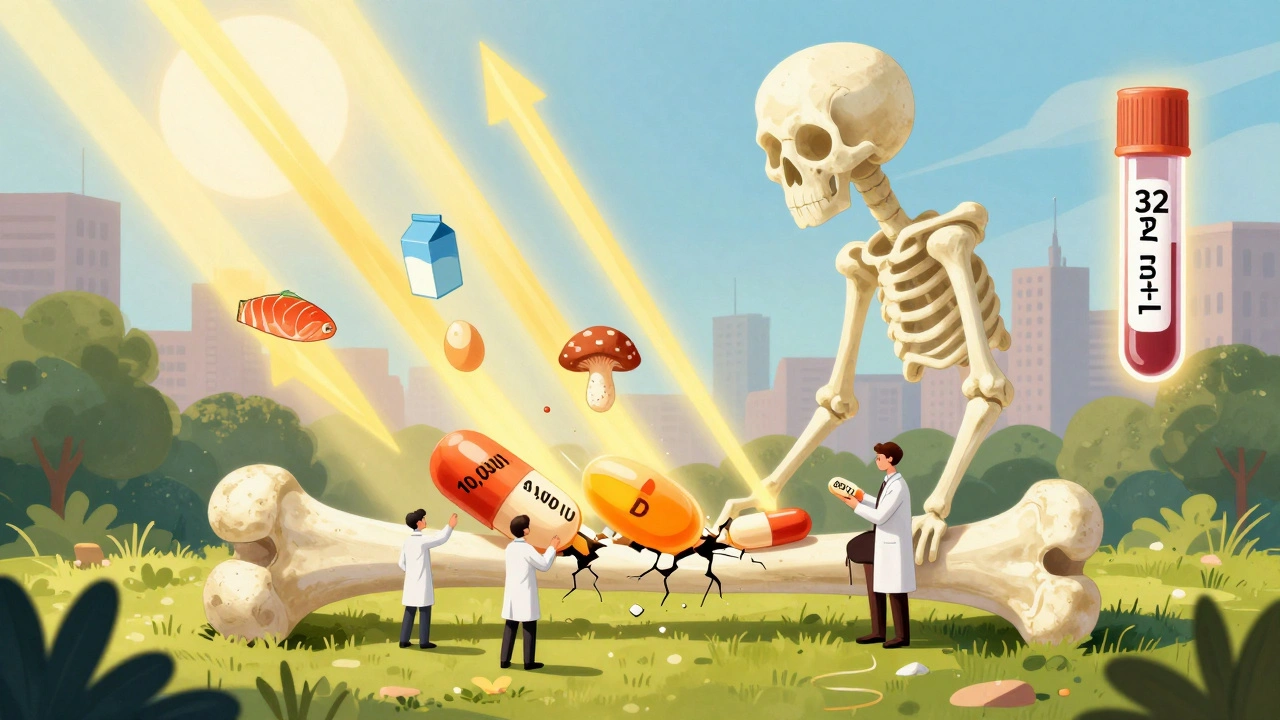
What keeps bone density high? Two big players: calcium, the main mineral your bones are made of and vitamin D, the hormone-like nutrient that helps your body absorb calcium. But it’s not just about popping pills. Weight-bearing exercise like walking, lifting weights, or even stair climbing tells your bones to stay strong. Without that signal, your body starts breaking bone down faster than it rebuilds it. And yes, some medications—like long-term steroids or certain cancer treatments—can speed up bone loss. So can smoking, heavy drinking, or not getting enough protein.
Most people don’t realize how common low bone density is. About half of women over 50 will have an osteoporosis-related fracture in their lifetime. Men aren’t immune either—1 in 4 men over 50 will break a bone due to weak bones. The good news? You don’t need to wait for a break to find out where you stand. A simple, painless scan called a DEXA test measures your bone density in minutes. It’s recommended for women at 65 and men at 70, or earlier if you have risk factors like a family history, early menopause, or a history of fractures.
Once you know your numbers, you’re not stuck. Lifestyle changes work. Getting enough calcium from food—like yogurt, kale, sardines, or fortified plant milks—helps more than supplements alone. Vitamin D from sunlight or supplements keeps your body using that calcium. And strength training? It’s the closest thing we have to a bone-building drug. Even small, consistent efforts make a difference over time.
What you’ll find in the posts below isn’t a list of generic tips. It’s real talk about what actually moves the needle. From how certain medications affect your bones to why some supplements don’t work the way you think, these articles cut through the noise. You’ll see what works, what doesn’t, and what to ask your doctor about if your bone density is slipping. No fluff. No marketing. Just what you need to protect your skeleton before it’s too late.