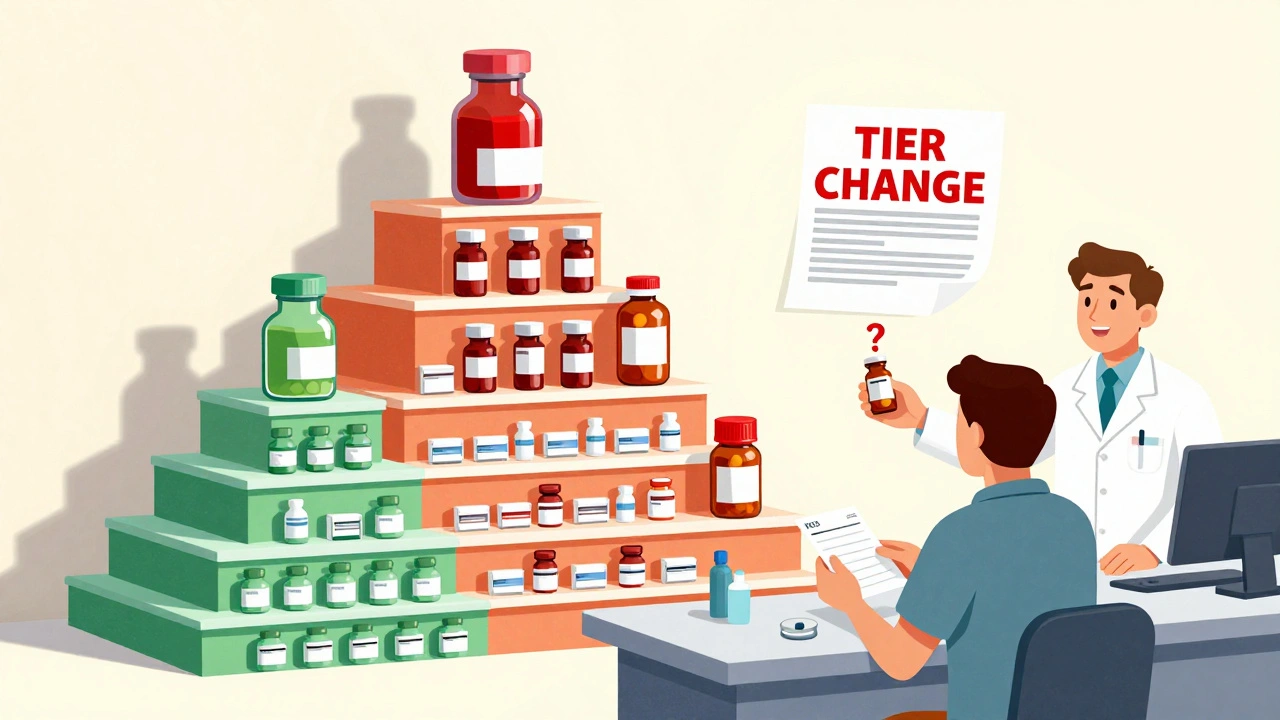
Drug Substitution: What You Need to Know About Switching Medications
When your pharmacy hands you a different pill than what your doctor prescribed, that’s drug substitution, the practice of replacing a prescribed medication with a different version, often a generic or alternative drug. Also known as generic substitution, it’s meant to save money—but it’s not harmless. For most people, it works fine. For others, it can mean breakthrough seizures, organ rejection, or unexpected side effects.
The key is therapeutic equivalence, a standard set by the FDA to prove a generic drug performs the same way as the brand-name version. This isn’t just about having the same active ingredient—it’s about how fast it enters your blood, how long it lasts, and whether your body reacts the same way. Drugs like cyclosporine, an immunosuppressant used after organ transplants, and antiseizure medications, drugs with a narrow therapeutic index where tiny changes can trigger seizures are especially risky to swap. Even small differences in fillers or coating can change how your body handles them. A study in the Journal of the American Medical Association found that transplant patients who switched generics had a 30% higher chance of rejection in the first year. That’s not a small risk—it’s life-changing.
But here’s the thing: not all drug substitution is dangerous. For statins, antihistamines, or blood pressure pills like azilsartan, generics are just as safe and effective for most people. The problem isn’t generics themselves—it’s when they’re swapped without checking your specific situation. If you’re on a chronic condition medication, especially one that affects your brain, heart, or immune system, don’t assume the switch is automatic. Ask your pharmacist: "Is this a therapeutic equivalent?" Check the FDA’s Orange Book if you can. And if you feel different after the switch—dizzy, tired, or worse—don’t brush it off. That’s not "in your head." It’s your body telling you something changed.
Drug substitution is everywhere. It’s driven by cost, policy, and supply shortages. But your health isn’t a budget line item. The posts below show real cases: why some people’s seizures returned after switching antiseizure meds, how transplant patients got poisoned by a "same" generic, and why a placebo effect can make you think a generic doesn’t work—even when it’s chemically identical. You’ll also find guides on how to spot unsafe substitutions, what to ask your doctor, and how to track your own response. This isn’t about fear. It’s about control. Know when to say no. Know when to speak up. And know that sometimes, the cheapest pill isn’t the safest one.