Formulary Tiers Explained: How Drug Costs Affect Your Prescription Choices
When your insurance says a drug is on formulary tiers, a system that groups medications by cost and coverage level. Also known as drug cost tiers, it determines how much you pay out of pocket—whether it’s $5, $40, or $300 for the same pill. This isn’t just paperwork. It’s the hidden rulebook that decides if you can afford your meds month after month.
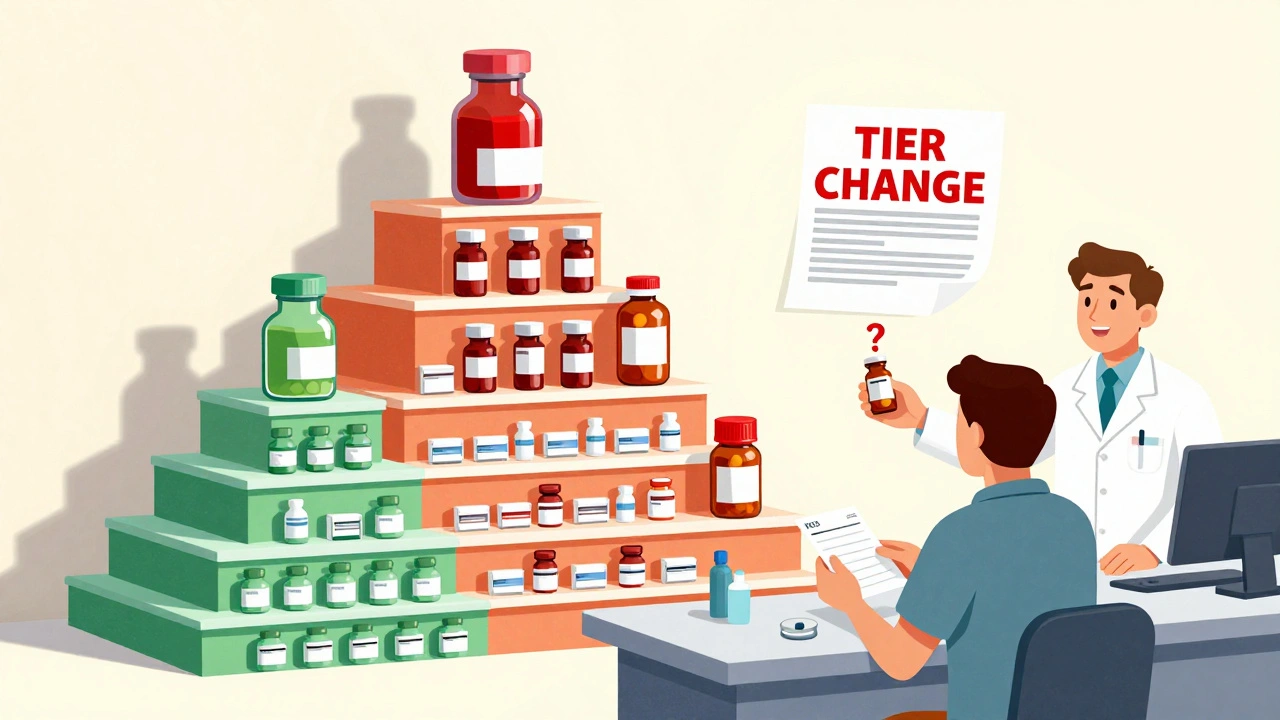
Formulary tiers are built by insurance companies and pharmacy benefit managers to control spending. They put drugs into levels: Tier 1 is usually generic versions of common meds like lisinopril or metformin—cheap, effective, and covered with the lowest copay. Tier 2 includes brand-name drugs with generic alternatives, and Tier 3 is for pricier brands without generics. Then comes Tier 4 or 5: specialty drugs like biologics for rheumatoid arthritis or cancer. These can cost hundreds or even thousands, and often require prior authorization. The system pushes patients toward lower-cost options, but not always for good reasons. Some high-tier drugs are essential for certain conditions, and switching them can be dangerous. Take cyclosporine, an immunosuppressant with a narrow therapeutic range—even small changes in formulation can trigger organ rejection. That’s why some patients can’t switch to generics, even if their plan forces them to.
It’s not just about the drug itself. Your tier depends on what’s negotiated between your insurer and drugmakers. A brand-name drug might be on Tier 2 if the maker gave the insurer a big discount. Another, equally effective drug, might be on Tier 4 because the company didn’t play ball. And don’t assume your doctor’s choice is the cheapest. Many don’t know the exact tier of every drug in your plan. That’s why you need to check your formulary before filling a prescription. Use your insurer’s website or call customer service. Ask: What tier is this on? Is there a cheaper alternative that works just as well? You’d be surprised how often the answer is yes.
Formulary tiers also affect how you get refills. Some plans require step therapy—you have to try a Tier 1 drug first, even if it didn’t work for you before. Others limit quantity or require prior authorization for anything above Tier 2. These rules exist to save money, but they can delay care, increase frustration, and even make people skip doses. That’s why understanding your formulary isn’t optional—it’s part of managing your health. And if you’re on a long-term medication like statins, cholesterol drugs that need consistent use, a tier change could mean switching brands, which might trigger side effects or reduce effectiveness. The same goes for antiseizure medications, drugs where tiny differences can cause breakthrough seizures. In these cases, your doctor can file an exception, but you have to speak up.
Below, you’ll find real stories and practical guides on how formulary tiers impact real people. From how generic substitutions can backfire, to how to fight a denied claim, to why some drugs cost more even when they’re chemically the same. You’ll learn how to read your formulary like a pro, spot hidden costs, and get the meds you need without overpaying.