Healthcare Supply Chain: How Medications Get to You and Why It Matters
When you pick up a prescription, you’re not just getting a pill—you’re receiving the end result of a complex healthcare supply chain, the network that moves medicines from manufacturers to patients across the globe. Also known as pharmaceutical distribution system, it includes drug makers, wholesalers, distributors, pharmacies, and regulators—all working together to keep your meds on the shelf. But this system isn’t perfect. It’s fragile. A single factory shutdown, a shipping delay, or a price-driven switch to a cheaper generic can ripple across the country and leave you without your treatment.
That’s why so many posts here focus on generic drugs, lower-cost versions of brand-name medicines that must meet the same FDA standards. They’re a backbone of the supply chain, saving billions each year. But for drugs like cyclosporine, a critical immunosuppressant used after organ transplants, even tiny differences in how a generic is made can cause rejection or toxicity. The same goes for antiseizure medications, drugs with narrow therapeutic ranges where small changes can trigger seizures. The supply chain doesn’t just deliver pills—it delivers safety, or risk, depending on how it’s managed.
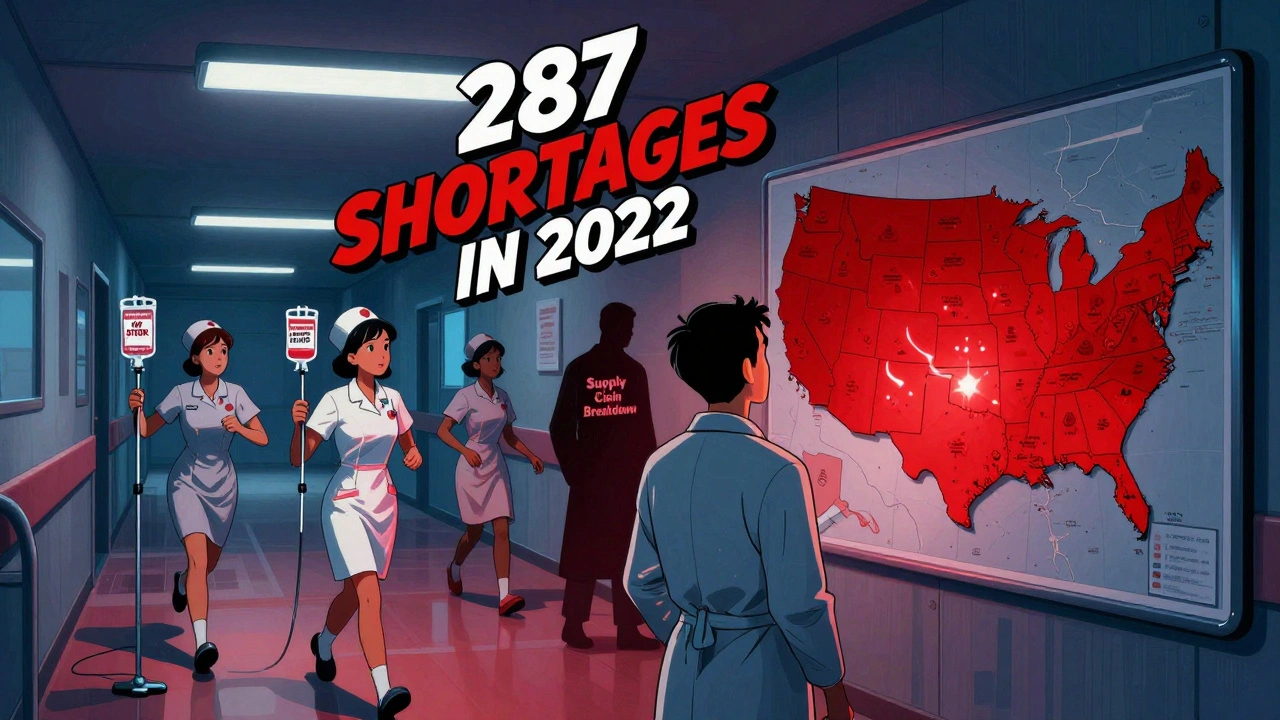
And it’s not just about generics. tendering systems, public procurement methods used across Europe to buy drugs in bulk at the lowest price shape what’s available and how much it costs. In the U.S., the ANDA process, the legal route for generic drug approval under the Hatch-Waxman Act ensures bioequivalence—but doesn’t guarantee consistent manufacturing quality across every batch. When a plant fails inspection or a supplier runs out of active ingredient, the result is a drug shortage. And when that happens, patients are the ones who pay the price.
What you’ll find here aren’t abstract theories. These are real-world stories: how a change in generic manufacturer caused seizures in epilepsy patients, how Europe’s bulk buying keeps insulin affordable, why flushing pills pollutes waterways, and how digital tools help people track their meds when supply is unreliable. You’ll see how the same supply chain that brings you cheap generics can also put your life at risk if oversight slips. This isn’t just logistics—it’s your health on a global pipeline. And understanding how it works means you can ask better questions, spot red flags, and protect yourself when things go wrong.