Hypersomnia Disorders: Causes, Treatments, and What You Need to Know
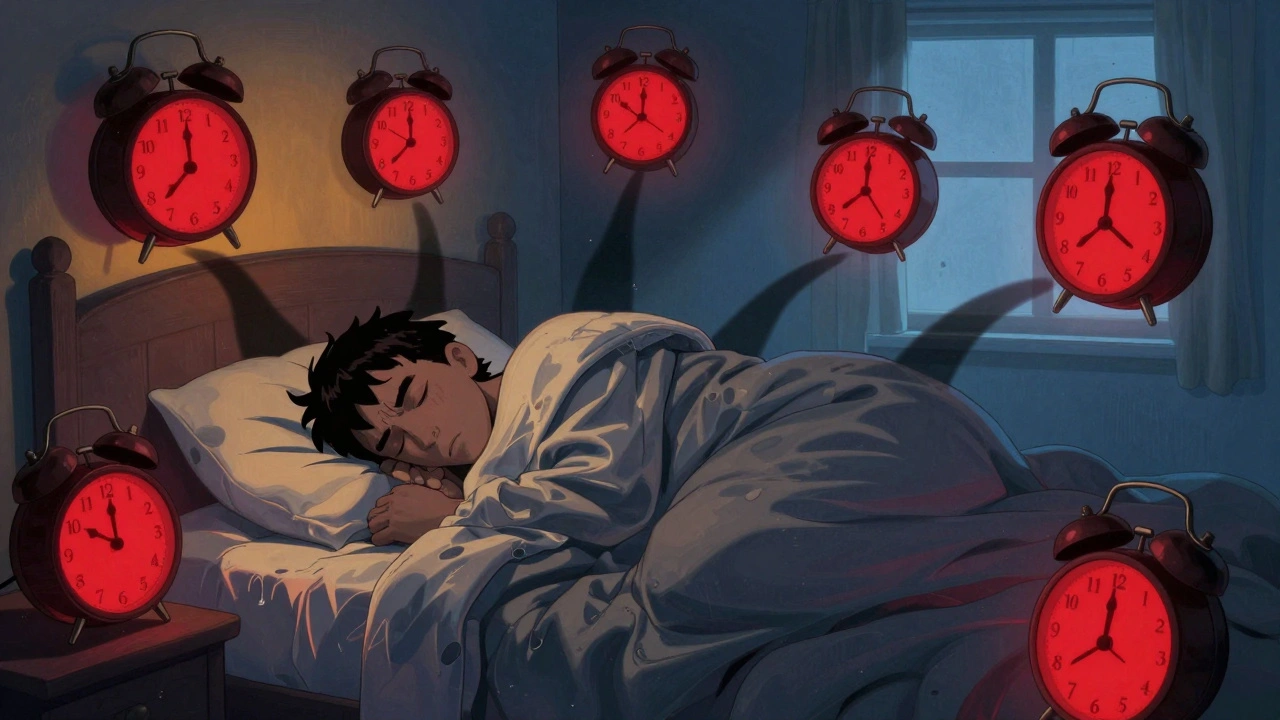
When you sleep for 10 hours and still feel like you haven’t slept at all, you might be dealing with hypersomnia disorders, a group of conditions where excessive sleepiness persists despite adequate or even prolonged sleep. Also known as excessive daytime sleepiness, it’s not just being tired—it’s a medical issue that disrupts work, relationships, and safety. Unlike normal fatigue, hypersomnia doesn’t improve with caffeine or a nap. People with this condition often feel groggy all day, struggle to concentrate, and may even fall asleep mid-conversation.
There are different types of hypersomnia disorders, and they’re not all the same. idiopathic hypersomnia, a condition where the brain doesn’t regulate sleep-wake cycles properly, with no clear cause is one of the most common. Then there’s narcolepsy, a neurological disorder that causes sudden sleep attacks and often includes cataplexy—sudden muscle weakness triggered by emotion. These two are often confused, but narcolepsy has distinct symptoms like sleep paralysis and hallucinations when falling asleep or waking up. Other forms include hypersomnia caused by brain injuries, psychiatric conditions, or even certain medications. It’s not just about sleep quantity—it’s about sleep quality and brain function.
What makes hypersomnia tricky is that it’s often missed. Doctors might assume you’re depressed, lazy, or just bad at managing your schedule. But if you’ve been sleeping 9–12 hours a night and still can’t stay awake during the day, it’s not normal. Blood tests, sleep studies, and sometimes spinal fluid analysis are used to rule out other causes like sleep apnea or thyroid issues. Treatment isn’t one-size-fits-all. Stimulants like modafinil are common, but they don’t work for everyone. Some people respond better to sodium oxybate, while others need lifestyle changes—strict sleep schedules, avoiding alcohol, and even adjusting work hours. And yes, some medications used for depression or epilepsy can worsen hypersomnia, so reviewing your meds with a doctor matters.
What you’ll find in the posts below isn’t just theory. These are real stories and evidence-based insights from people who live with these conditions, and the experts who treat them. You’ll see how drug interactions, long-term medication safety, and even placebo effects play into managing chronic sleep issues. Whether you’re trying to understand why your sleep meds aren’t working, or you’re worried about side effects from stimulants, the articles here give you the facts—not guesses.