Idiopathic Hypersomnia: Causes, Symptoms, and What You Can Do
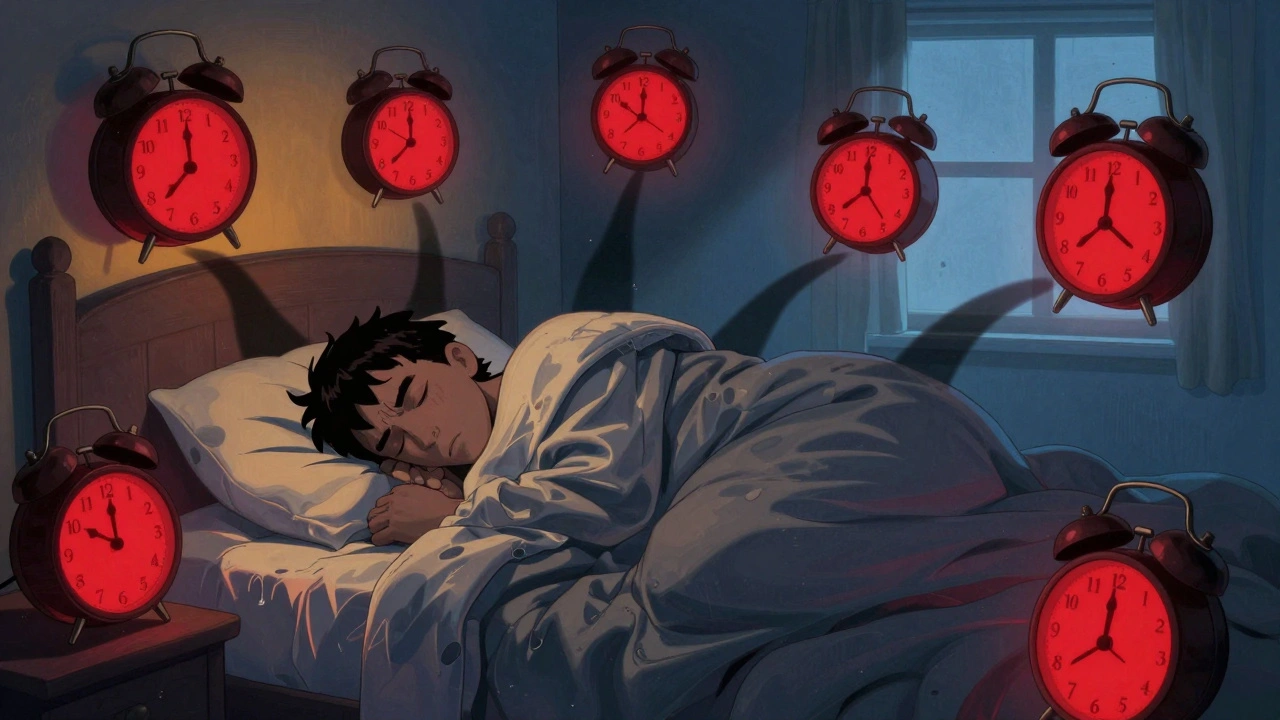
When you sleep 10 hours and still feel like you haven’t slept at all, it’s not laziness—it might be idiopathic hypersomnia, a neurological sleep disorder characterized by persistent excessive daytime sleepiness that isn’t explained by other causes. Also known as hypersomnolence disorder, it’s not just feeling tired. It’s waking up groggy, napping for hours and still not refreshed, and struggling to stay awake even during important tasks. Unlike narcolepsy, there’s no sudden muscle weakness (cataplexy) or instant sleep attacks. The brain just doesn’t reset properly, and no one knows exactly why.
This isn’t rare. Studies estimate about 1 in 2,000 people live with it, and many go undiagnosed for years because doctors assume it’s depression, stress, or poor sleep habits. But idiopathic hypersomnia doesn’t improve with more sleep. People with it often sleep 12 to 14 hours a night and still need naps during the day—sometimes multiple. The fatigue isn’t mental; it’s physical, like your body is running on empty even after a full charge.
It’s linked to other sleep-related issues. People with this condition often have trouble waking up (sleep inertia), and their sleep cycles don’t follow normal patterns. Some show low levels of histamine in spinal fluid, which may explain why stimulants like modafinil sometimes help. But unlike narcolepsy, there’s no clear genetic marker or brain lesion. That’s why it’s called idiopathic—the cause is unknown. That also means treatment is trial and error. Some respond to wakefulness drugs. Others need lifestyle changes—strict sleep schedules, avoiding alcohol, cutting caffeine after noon. A sleep study, a polysomnography test that tracks brain waves, breathing, and movement during sleep is often the first step to rule out sleep apnea or periodic limb movement disorder. And because symptoms overlap with narcolepsy, a sleep disorder involving sudden loss of muscle control and uncontrollable sleep episodes, doctors need to run specific tests to tell them apart.
There’s no cure. But there’s a path forward. People who get diagnosed stop blaming themselves. They start tracking sleep patterns, adjusting work hours, using alarms that force movement, and finding communities online who understand the exhaustion. The posts below cover real experiences with medication side effects, how sleep studies work, why some drugs help while others don’t, and what to ask your doctor when standard treatments fail. You won’t find fluff here—just what actually matters when you’re fighting to stay awake every single day.