Medication Interactions: What You Need to Know About Drug Conflicts
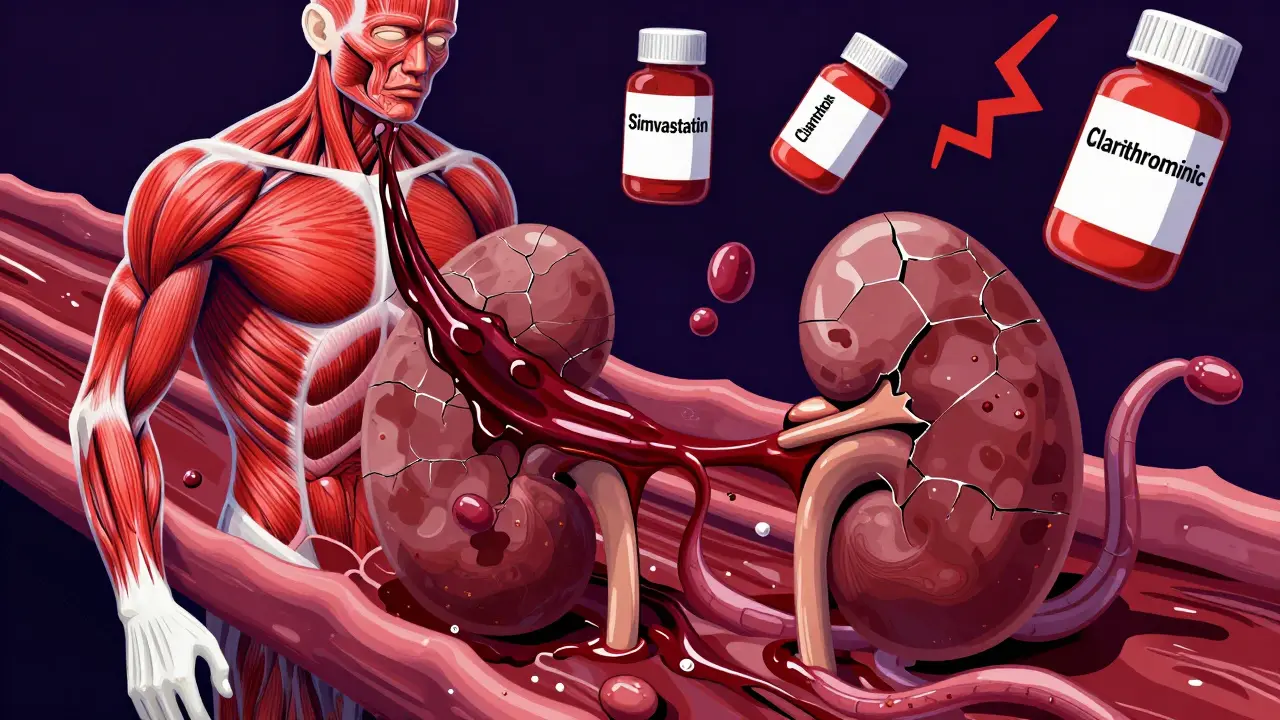
When you take more than one medication, medication interactions, unintended changes in how drugs work when taken together. Also known as drug interactions, they can make a pill less effective, boost its side effects, or even cause dangerous reactions. This isn’t rare—it happens to millions every year, especially people managing chronic conditions like high blood pressure, diabetes, or depression. You might not realize your statin is messing with your sleep, or that your antacid is blocking your antibiotic. These aren’t theoretical risks. They’re real, measurable, and often preventable.
One of the biggest hidden dangers is polypharmacy, the use of multiple medications at once, often without clear oversight. It’s common in older adults, but younger people on long-term meds for mental health, autoimmune issues, or heart disease are just as vulnerable. Take generic substitution, swapping a brand-name drug for a cheaper generic version. For most drugs, it’s fine. But for ones with a narrow therapeutic index—like immunosuppressants, antiseizure meds, or blood thinners—even tiny differences in absorption can cause rejection, seizures, or dangerous bleeding. And it’s not just about pills. Your daily magnesium supplement, herbal tea, or even grapefruit juice can throw off how your body handles a prescription.
What makes this even trickier is that many of these interactions fly under the radar. You might not feel anything until it’s too late. A study in the Journal of the American Medical Informatics Association found that over 70% of medication-related hospital visits in older adults were due to interactions that could’ve been caught with a simple review. That’s why knowing your meds isn’t optional—it’s survival. You don’t need to memorize every possible combo. You just need to know what to watch for: new symptoms after starting a drug, changes in how you feel, or confusion about why your old treatment isn’t working anymore.
Below, you’ll find real, practical guides from people who’ve been there. From how statins can mess with your dreams to why switching generic immunosuppressants can trigger transplant rejection, these posts cut through the noise. You’ll learn how to spot red flags, what tools to use for checking interactions, and how to talk to your pharmacist without sounding like you’re questioning their expertise. No fluff. No jargon. Just what you need to stay safe while taking what you need.