Medication Shortages: Causes, Risks, and What You Can Do
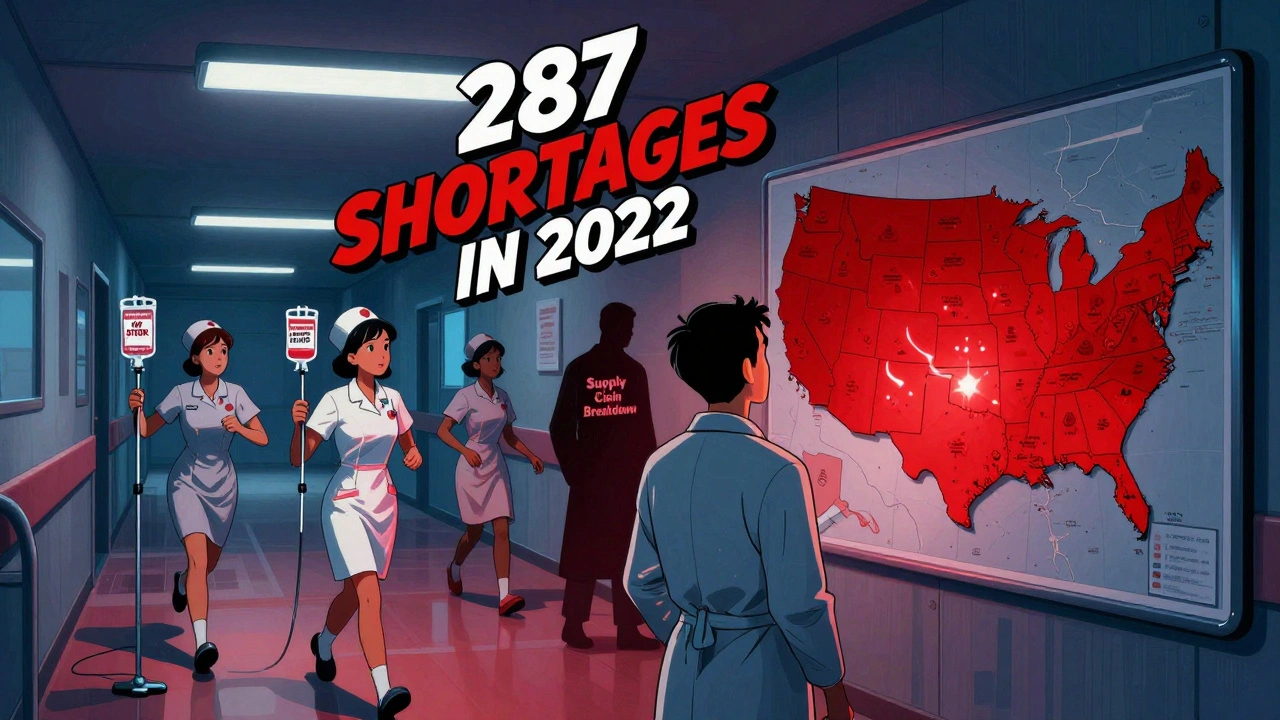
When a medication shortage, a situation where the supply of a drug falls below patient demand, often due to manufacturing, regulatory, or economic issues. Also known as drug supply disruptions, it can leave patients without life-saving treatments for months. This isn’t rare—it’s becoming normal. The FDA tracks over 300 active shortages at any given time, and many more go unreported. People with diabetes, epilepsy, heart disease, and cancer are hit hardest. A shortage of insulin, for example, doesn’t just mean a trip to the pharmacy is delayed—it means risking hospitalization or worse.
These shortages aren’t accidents. They’re often tied to the drug supply chain, the complex network of manufacturers, distributors, and regulators that move drugs from labs to pharmacies. One factory shutdown, a quality control failure, or a sudden spike in demand can ripple across the system. Many generic drugs are made in just one or two overseas plants. If one fails, there’s no backup. Even generic drug shortages, when affordable versions of brand-name drugs become unavailable, often because profit margins are too low to justify production are growing. Companies stop making cheap drugs because they make more money selling expensive ones—even if those cheaper pills are the only ones a patient can afford.
It’s not just about running out of pills. Switching to a different brand or generic version can be dangerous. For drugs with a narrow therapeutic index—like cyclosporine or antiseizure meds—even tiny differences in formulation can cause rejection, seizures, or toxicity. And when your doctor can’t prescribe your usual drug, you’re left guessing: Is the substitute safe? Will it work? Will your insurance cover it? Meanwhile, pharmacies start rationing. Some patients get half their dose. Others get nothing.
But you’re not powerless. Knowing which drugs are most likely to be affected helps you plan ahead. Talk to your pharmacist before your refill runs out. Ask if there’s a therapeutic alternative. Check the FDA’s shortage list. Keep a 30-day supply on hand if possible. And if you’re on a critical medication, don’t wait until you’re out to act. These shortages aren’t going away, but being informed gives you control when the system fails.
Below, you’ll find real stories and practical guides from patients and experts who’ve faced these gaps in care—from how to handle a shortage of statins or immunosuppressants, to why some generics fail even when they’re "approved," and what you can do to make sure your treatment doesn’t get caught in the middle.