Placebo Effect: What It Is, Why It Matters, and How It Shapes Medicine
When you take a sugar pill and feel better, it’s not just in your head—it’s the placebo effect, a measurable change in symptoms caused by belief in a treatment, even when the treatment has no active ingredient. Also known as psychogenic response, it’s one of the most powerful forces in medical research and everyday care. This isn’t magic. It’s biology. Your brain releases real chemicals—endorphins, dopamine, even cortisol—when you expect relief. That’s why people report less pain after a fake injection, better sleep after a placebo pill, or even reduced nausea from a sham IV drip.
The placebo control, a standard in clinical trials where one group gets a fake treatment to compare against the real drug is how scientists tell if a medication actually works. Without it, you can’t tell if a drug helps—or if people just feel better because they think it should. That’s why nearly every FDA-approved drug must outperform a placebo in large, double-blind studies. But here’s the twist: the placebo effect isn’t static. It’s growing. Modern trials show patients today respond more strongly to placebos than they did 20 years ago. Why? More media hype, better packaging, higher expectations, and even the way doctors talk about treatment. Then there’s the flip side—the nocebo effect, when negative expectations cause real side effects, even from harmless substances. If a pill’s label warns of headaches, you’re more likely to get one—even if it’s just starch.
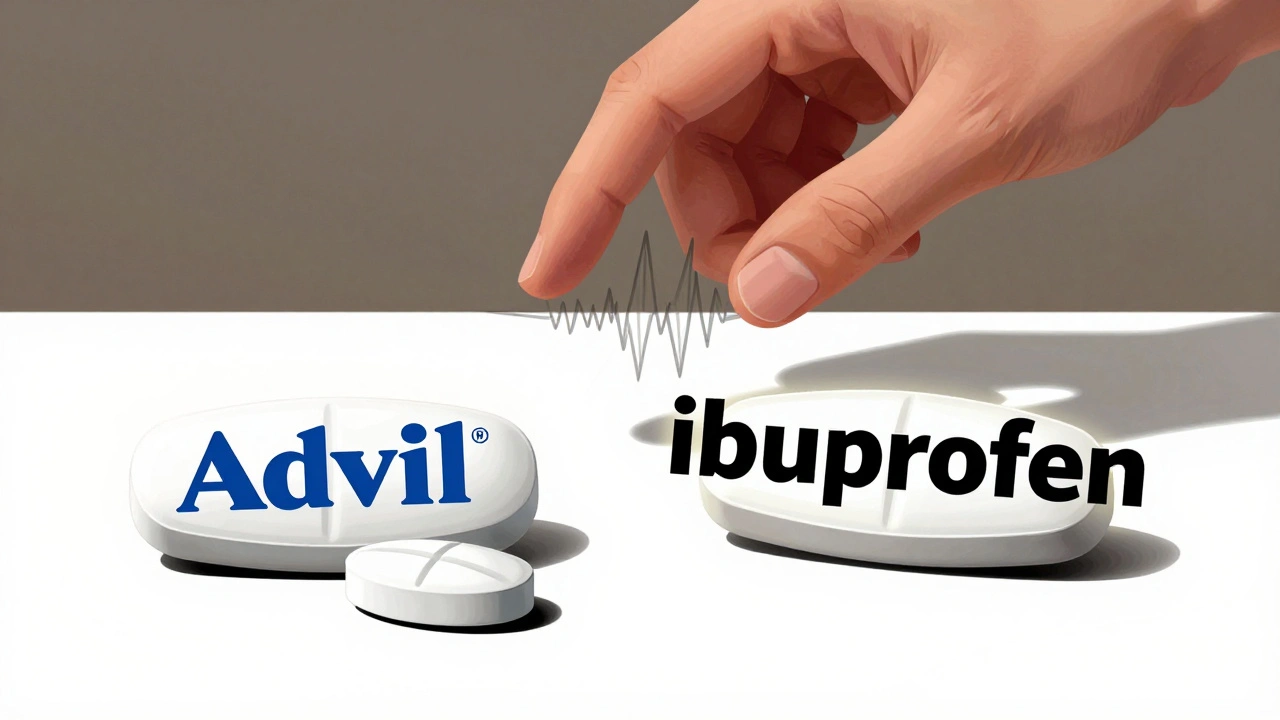
It’s not just about trials. The placebo effect shapes how we use real drugs. A study in The New England Journal of Medicine found that patients taking a branded antidepressant reported better results than those on the exact same generic version—just because they believed the brand was stronger. That’s not a flaw in the generic—it’s proof that perception changes biology. Even the color of a pill matters: blue pills are seen as calming, red ones as stimulating. In chronic pain, depression, and irritable bowel syndrome, the placebo effect can account for 30% to 60% of the benefit. That’s why doctors sometimes use open-label placebos—telling patients they’re getting a sugar pill—and still see improvement. The act of care, attention, and ritual triggers healing, even without chemistry.
What you’ll find in these articles is how this invisible force shows up in real-world medicine: from statins that cause vivid dreams because patients expect them, to generic immunosuppressants where fear of switching triggers rejection, to how medication reminders and digital tools shape adherence by reinforcing belief in treatment. You’ll see how the placebo effect isn’t something to dismiss—it’s something to understand, manage, and sometimes even harness.