By Barrie av / Feb, 5 2026
Generic Drug Safety for Seniors: Age-Related Risks and Tips
Understanding generic drug safety for seniors: how aging affects drug processing, polypharmacy risks, and practical safety tips for seniors.
view more
When you’re taking polypharmacy, the use of multiple medications at the same time, often five or more. Also known as multiple drug use, it’s common among older adults and people with chronic conditions—but it’s not harmless. Every extra pill adds risk, and many patients don’t realize how dangerous it can be.
One of the biggest problems with polypharmacy, the use of multiple medications at the same time, often five or more. Also known as multiple drug use, it’s common among older adults and people with chronic conditions—but it’s not harmless. Every extra pill adds risk, and many patients don’t realize how dangerous it can be.
One of the biggest problems with medication interactions, when two or more drugs affect each other’s behavior in the body, leading to reduced effectiveness or dangerous side effects is that they’re often invisible until something goes wrong. A blood pressure pill might make your heart rate drop too low when combined with a common painkiller. An antidepressant could raise your risk of falls when taken with a sleep aid. These aren’t rare cases—they happen every day. And because many patients see different doctors for different conditions, no one is looking at the full picture. That’s why drug side effects, unwanted physical or mental reactions caused by medications, often worsened by combinations become more frequent and severe with each added prescription.
Seniors are especially vulnerable. The body changes with age—liver and kidney function slow down, making it harder to clear drugs from the system. A dose that was safe at 50 might be dangerous at 75. And it’s not just about pills. Supplements, over-the-counter meds, and even herbal teas can interfere. Take elderly medication safety, the practice of managing drug regimens in older adults to minimize harm from multiple medications seriously. Studies show that nearly half of adults over 65 take five or more medications regularly. Many don’t know why they’re taking them. Some are still on drugs prescribed years ago for conditions that are now gone.
It’s not about cutting pills—it’s about cutting risk. A simple review of your full list with one doctor or pharmacist can uncover duplicates, unnecessary drugs, or dangerous combinations. For example, someone on a blood thinner, a diuretic, and a NSAID for arthritis might be at high risk for internal bleeding or kidney damage. But if you bring your bottles to your appointment, you might find one of those drugs can be stopped safely. That’s the power of clarity.
What you’ll find in the posts below are real stories and facts about how multiple medications affect people—like why switching generic immunosuppressants can trigger organ rejection, how antiseizure drugs behave differently across brands, or why elderly patients end up in the ER after mixing sleep aids with blood pressure meds. These aren’t theoretical warnings. They’re lived experiences. And they’re all connected to one thing: the hidden dangers of taking too many pills at once.
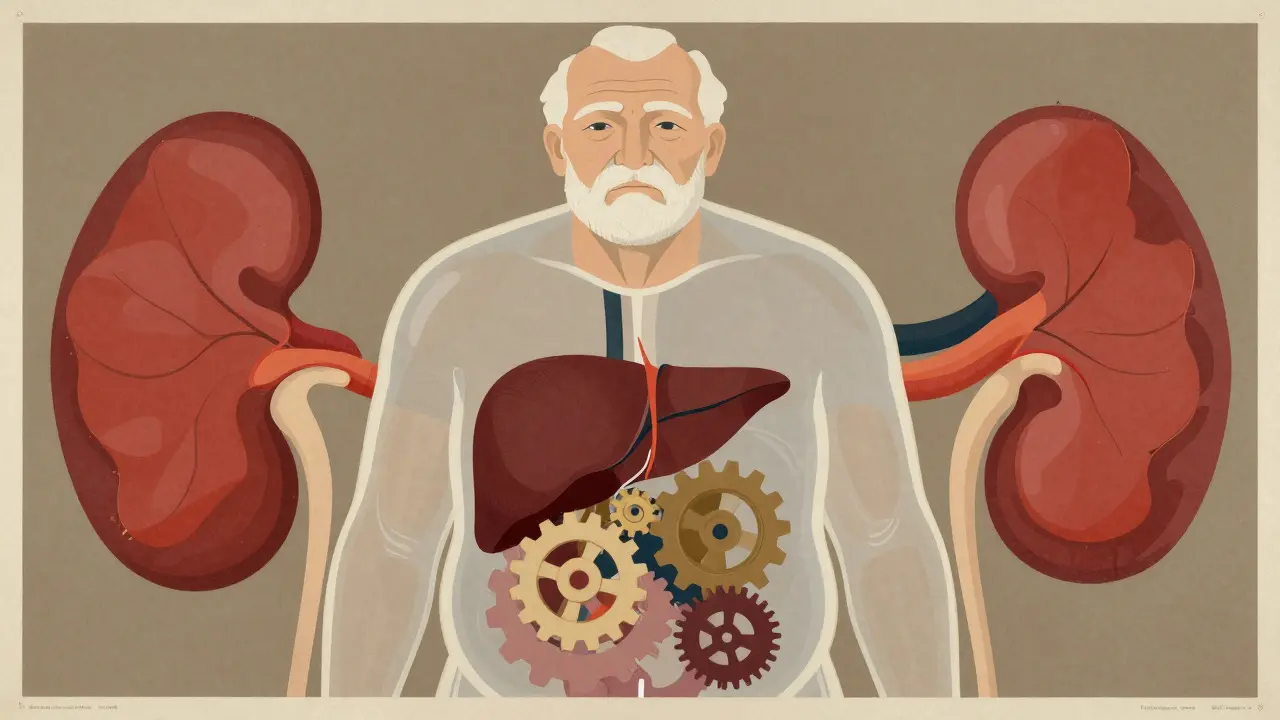
By Barrie av / Feb, 5 2026
Understanding generic drug safety for seniors: how aging affects drug processing, polypharmacy risks, and practical safety tips for seniors.
view more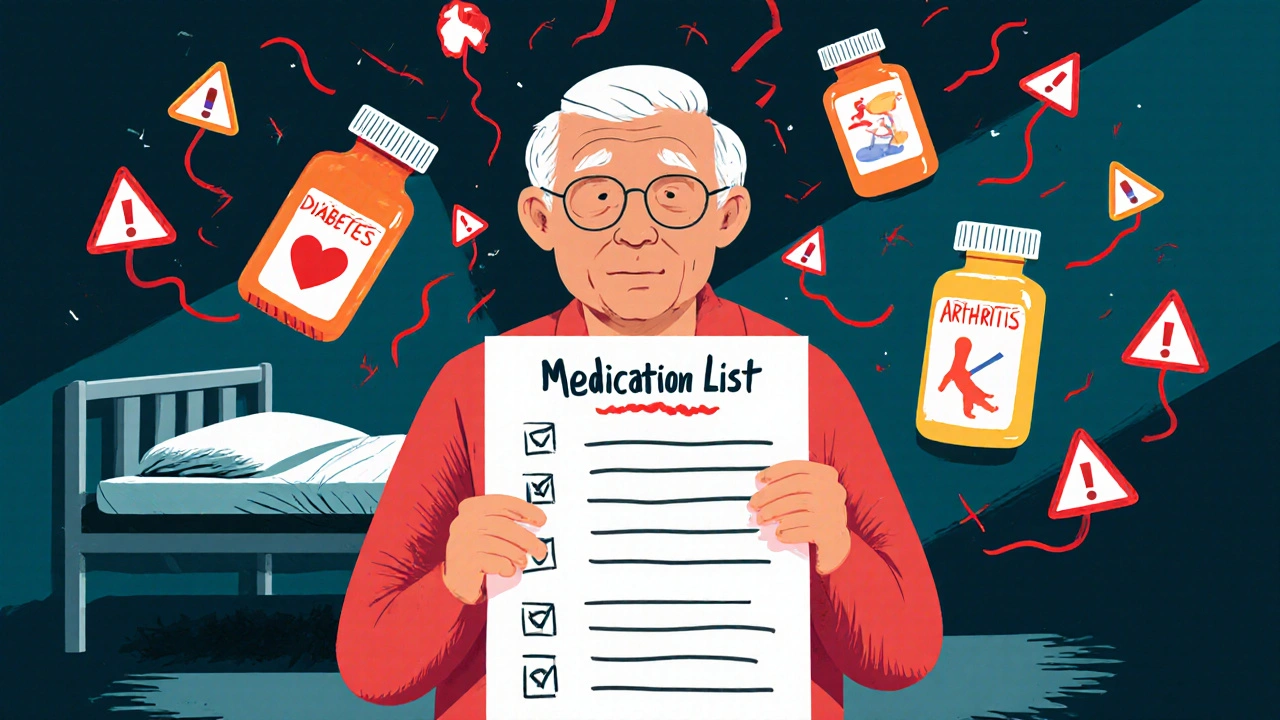
By Barrie av / Nov, 25 2025
Long-term medication use for chronic conditions can save lives-but only if done safely. Learn how to avoid dangerous interactions, reduce polypharmacy risks, and stay on track with your meds.
view more