Prescription Coverage: What You Pay, What Your Plan Covers, and How to Save
When you pick up a prescription, prescription coverage, the portion of your drug cost paid by your health insurance plan. Also known as pharmacy benefits, it determines whether you pay $5, $50, or $500 for the same pill. It’s not just about having insurance—it’s about what your plan actually includes. Many people assume their coverage means all meds are covered, but that’s not true. Plans draw up lists called formularies, and if your drug isn’t on it, you’re on your own—or stuck paying way more.
That’s where generic drugs, chemically identical versions of brand-name medications approved by the FDA. Also known as generic medication, they’re often 80% cheaper and make up over 90% of prescriptions filled in the U.S. Your plan pushes them hard because they cut costs. But not all generics are treated the same. For drugs like immunosuppressants or antiseizure meds, even small differences in how they’re made can affect how your body responds. That’s why some patients are told to stick with one brand or generic—switching could mean rejection, seizures, or worse.
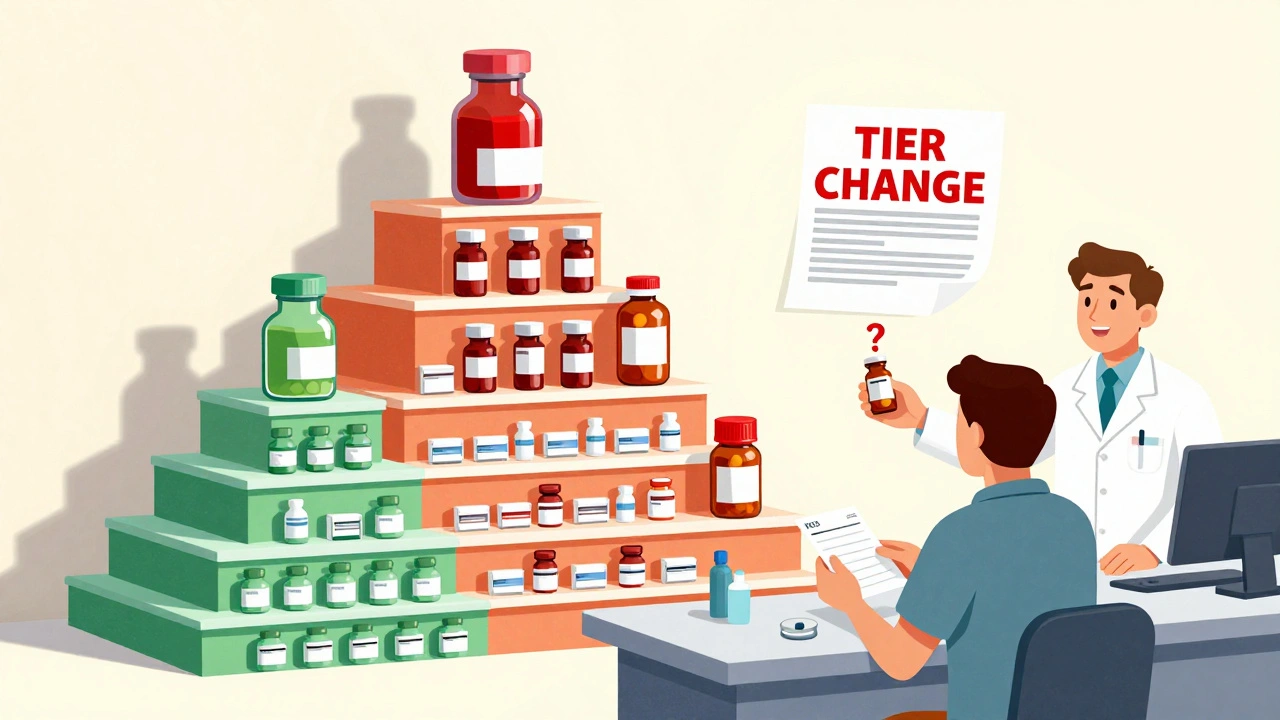
Medication costs, the out-of-pocket price you pay after insurance applies. Also known as drug pricing, they’re not set by doctors or pharmacies—they’re set by insurers, pharmacy benefit managers, and manufacturers. You might see a $20 copay on your receipt, but your insurer paid $300. The rest? That’s the gap between what’s charged and what’s covered. And if your drug’s on a high-tier formulary, you could be paying hundreds even with coverage. That’s why checking your plan’s formulary before filling a script matters. It’s not just about price—it’s about predictability.
Some plans require step therapy—try the cheapest drug first, even if it didn’t work last time. Others cap your monthly spending, or require prior authorization just to fill a script. These rules aren’t random. They’re designed to control costs, but they can delay care. If your doctor says a drug is necessary and your plan denies it, you can appeal. Many people don’t, but it works more often than you think.
And then there’s the gap no one talks about: when your insurance stops covering a drug because a cheaper alternative came out. That’s not a mistake—it’s policy. Your plan may drop coverage for Isordil if isosorbide mononitrate is now preferred. Or switch you from a brand-name statin to simvastatin, even if you had vivid dreams on it before. You’re not being ignored—you’re being managed.
What you’ll find below isn’t theory. It’s real stories and real data from people who’ve been through it: why some generics work fine and others don’t, how to fight a denial, what to do when your drug disappears from shelves, and how to use free drug databases to compare prices before you even walk into the pharmacy. These aren’t abstract concepts—they’re daily battles for people managing chronic conditions, from heart failure to epilepsy to transplant recovery. And the tools to win them? They’re already out there. You just need to know where to look.