Vitamin D Supplements: What They Do, Who Needs Them, and What to Watch For
When your body doesn't get enough vitamin D supplements, oral forms of vitamin D used to correct or prevent low levels in the blood. Also known as vitamin D3 or cholecalciferol, they're not just a pill you take because it's winter—they're a critical tool for bone strength, immune function, and even mood regulation. Most people think they get enough from the sun, but millions live in places with weak sunlight, work indoors, wear sunscreen daily, or have darker skin—all of which cut natural vitamin D production. That’s why supplements aren’t optional for many—they’re necessary.
vitamin D deficiency, a condition where blood levels of vitamin D fall below what the body needs to function properly shows up in surprising ways: tiredness that won’t lift, muscle aches with no injury, or even frequent colds. It’s not rare—studies show over 40% of adults in the U.S. have levels below what’s considered optimal. And it’s not just about bones. Low vitamin D is linked to weaker immune responses, higher risk of falls in older adults, and even trouble managing depression. The good news? A simple blood test can catch it early, and most cases respond well to consistent, low-dose supplements.
But not all supplements are the same. vitamin D dosage, the amount of vitamin D taken daily to achieve or maintain healthy blood levels matters more than you think. Taking too little won’t help. Taking too much can raise calcium levels dangerously, leading to kidney stones or heart issues. For most adults, 600–800 IU daily is enough—but if you’re deficient, doctors often start with 1,000–2,000 IU or even higher for a short time. Always check with your provider before going over 4,000 IU daily. Also, don’t assume all brands are equal. Look for third-party tested products (USP or NSF stamped) to avoid fillers and inaccurate dosing.
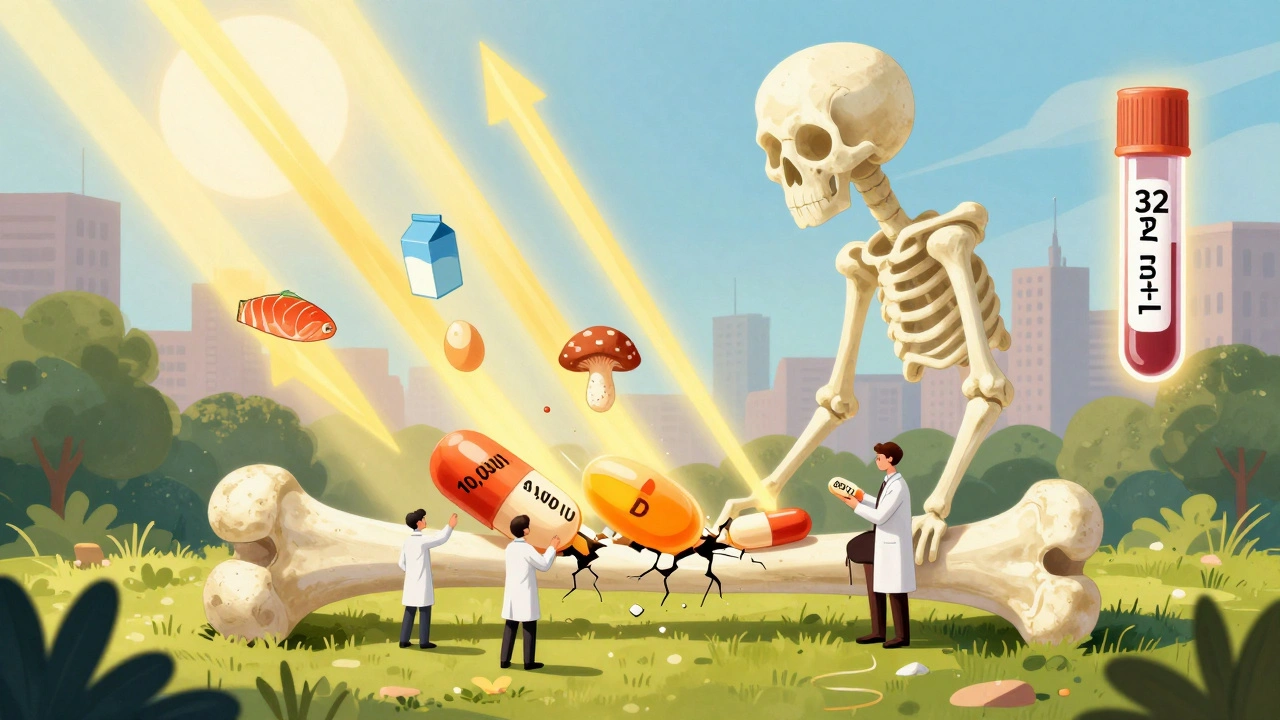
And don’t forget vitamin D sources, natural and dietary ways to get vitamin D beyond supplements. Fatty fish like salmon, egg yolks, and fortified milk or cereal help—but they rarely give you enough alone. Sunlight is the original source, but even 15 minutes of midday sun on bare arms won’t work if you’re in a northern city during November or wear SPF 30. Supplements bridge that gap. They’re not magic, but they’re one of the few nutrients most people actually need to take daily to stay healthy.
What you’ll find in the articles below isn’t a list of brands or dosing charts. It’s real talk about how vitamin D interacts with other meds, why some people still feel low even after taking supplements, what happens when you take it with calcium, and how it plays into immune health, bone density, and even chronic disease risk. No fluff. Just what works—and what doesn’t—based on actual patient experiences and clinical data.