
Why Diabetic Nephropathy Is the Silent Killer in Diabetes
One in three people with diabetes will develop kidney damage. It doesn’t come with pain, swelling, or obvious symptoms-until it’s too late. This is diabetic nephropathy: a slow, silent breakdown of the kidneys caused by high blood sugar over years. By the time you feel tired, swollen, or notice foamy urine, significant damage has already happened. The good news? There’s a proven way to stop it in its tracks-and it starts with two types of blood pressure pills and one simple goal: reduce protein in your urine.
What ACE Inhibitors and ARBs Actually Do for Your Kidneys
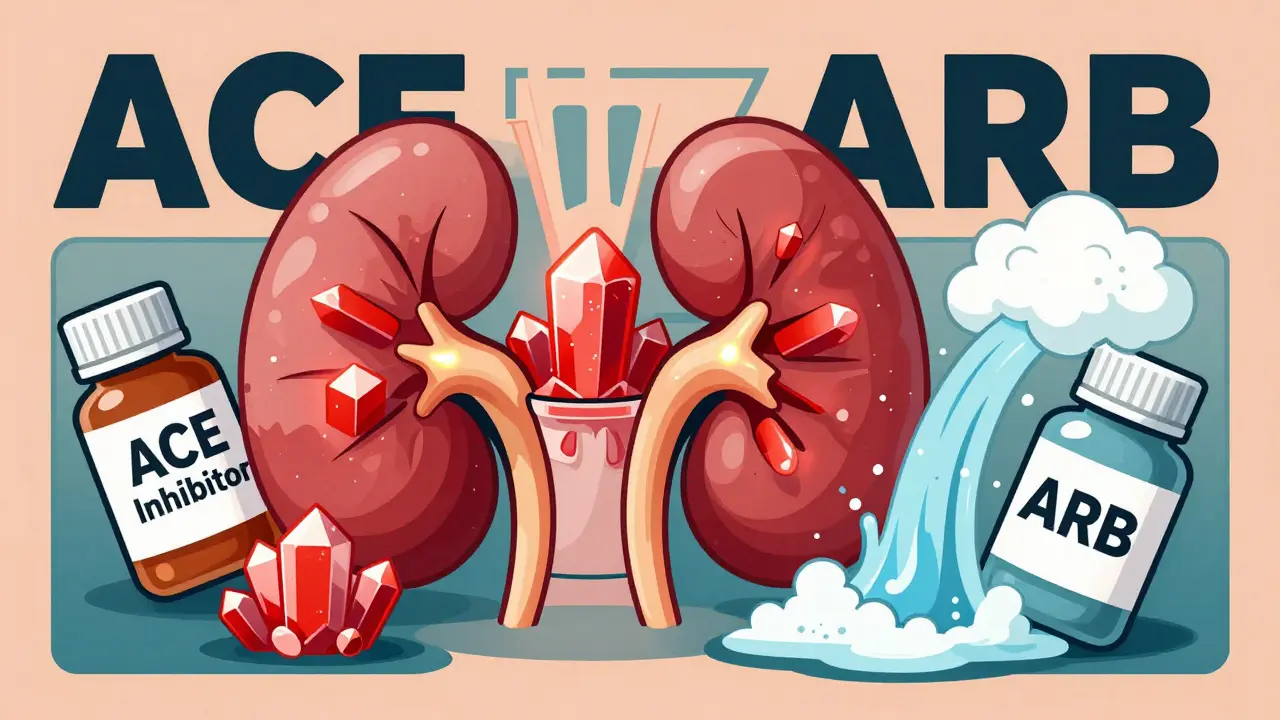
ACE inhibitors and ARBs aren’t just blood pressure pills. They’re kidney protectors. Both work by blocking the same system in your body-the renin-angiotensin-aldosterone system (RAAS)-that tightens blood vessels and pushes extra pressure into your kidney filters. When that pressure drops, your kidneys stop leaking protein into your urine. That’s the key. Protein in the urine (albuminuria) isn’t just a sign of damage-it’s what makes the damage worse. Lower protein = slower decline.
Studies like RENAAL and IDNT showed that ARBs like losartan and irbesartan cut the risk of kidney failure by up to 30% in people with type 2 diabetes and heavy proteinuria. ACE inhibitors like ramipril and captopril did the same in type 1 diabetes. These aren’t small effects. They’re life-changing.
Protein Control Isn’t Just About Diet-It’s About Medication
Many people think cutting protein from their diet will help their kidneys. That’s a myth. In fact, eating too little protein can make you weaker and more prone to infections. The real target isn’t dietary protein-it’s urinary protein. And the only proven way to reduce it is with ACE inhibitors or ARBs.
These medications don’t just lower blood pressure. They specifically protect the tiny filters in your kidneys (glomeruli) by reducing internal pressure. Think of it like lowering water pressure in a leaking hose. The hose doesn’t need to be replaced right away-you just stop the leak. That’s what these drugs do. They stop the kidney from spilling protein, which slows the damage and keeps your kidney function stable for years longer.
Dosing Matters More Than You Think
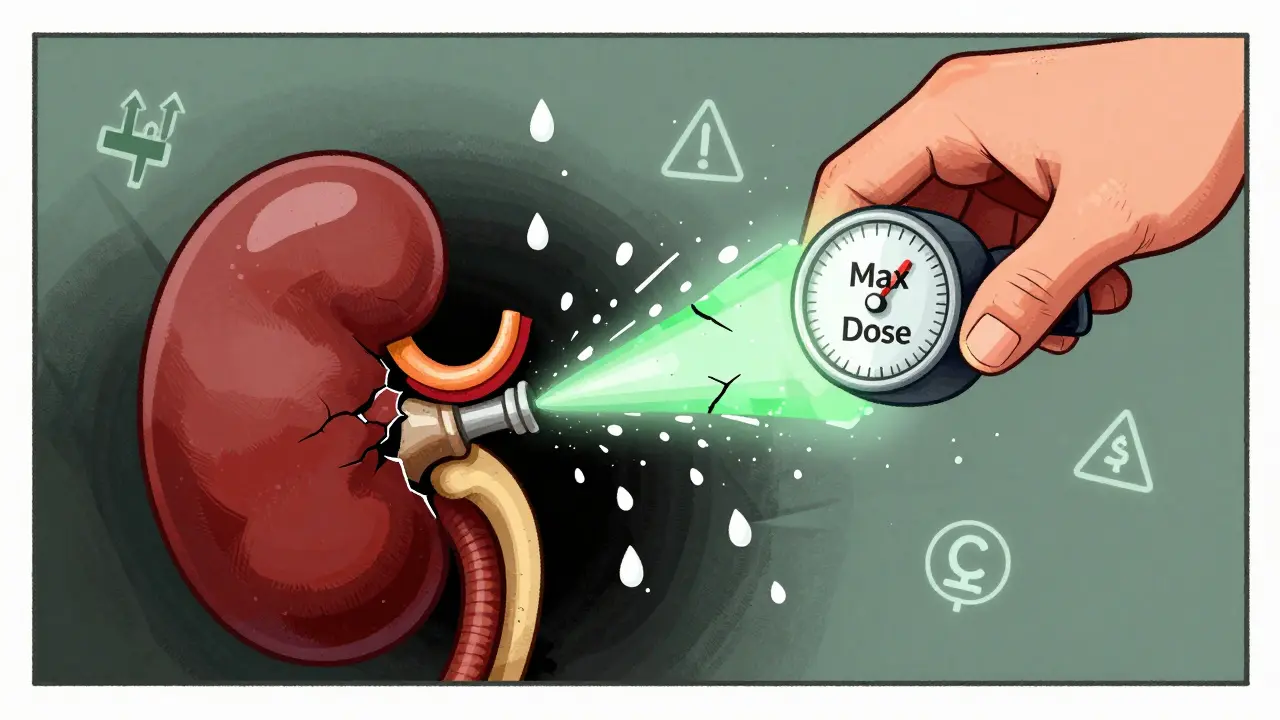
Most doctors start patients on low doses of ACE inhibitors or ARBs because they’re scared of side effects. That’s the biggest mistake. Clinical trials proved these drugs work best at maximum tolerated doses. A 10 mg dose of benazepril won’t do much. A 40 mg dose? That’s what saved kidneys in the trials.
Here’s what real dosing looks like:
- Captopril: 25 mg three times a day (the only ACE inhibitor with FDA approval specifically for diabetic nephropathy)
- Ramipril: 5-10 mg daily, up to 20 mg if tolerated
- Benazepril: 20-40 mg daily
- Losartan: 50-100 mg daily
- Irbesartan: 150-300 mg daily
If your doctor says, ‘We’ll start low and see how you do,’ ask: ‘Is this the dose shown to protect kidneys in trials?’ If not, push for an increase. Many patients never reach these levels-and that’s why so many still end up on dialysis.
Don’t Panic If Your Creatinine Rises
When you start an ACE inhibitor or ARB, your creatinine (a waste product measured in blood tests) often goes up by 10-30%. That’s normal. It doesn’t mean your kidneys are failing. It means the drugs are working. They’re reducing pressure inside the kidneys, which temporarily lowers how fast they filter blood. That’s the whole point.
The American Diabetes Association says clearly: Do not stop these medications because of a creatinine rise under 30% unless you’re dehydrated. Stopping them because of fear is one of the most common reasons kidney disease keeps getting worse. Your doctor should monitor you, but don’t let a lab number scare you off a drug that’s saving your kidneys.
Why You Should Never Mix ACE Inhibitors and ARBs
You might think, ‘If one is good, two must be better.’ That’s not true. The VA NEPHRON-D, ONTARGET, and ALTITUDE trials proved that combining ACE inhibitors with ARBs doesn’t help your kidneys-it hurts you.
People on both drugs had:
- 2-3 times higher risk of dangerously high potassium (hyperkalemia)
- Up to double the risk of sudden kidney failure
- No extra protection against dialysis or death
Same goes for adding new drugs like aliskiren (a direct renin inhibitor). They don’t add benefit. They add danger. Stick to one-either an ACE inhibitor or an ARB-and use it at the highest dose you can handle.
What About SGLT2 Inhibitors and Newer Drugs?
Drugs like empagliflozin and dapagliflozin (SGLT2 inhibitors) are getting a lot of attention. They do help protect kidneys and lower heart risks. But here’s the catch: every major trial proving their benefit was done in people who were already taking an ACE inhibitor or ARB at full dose.
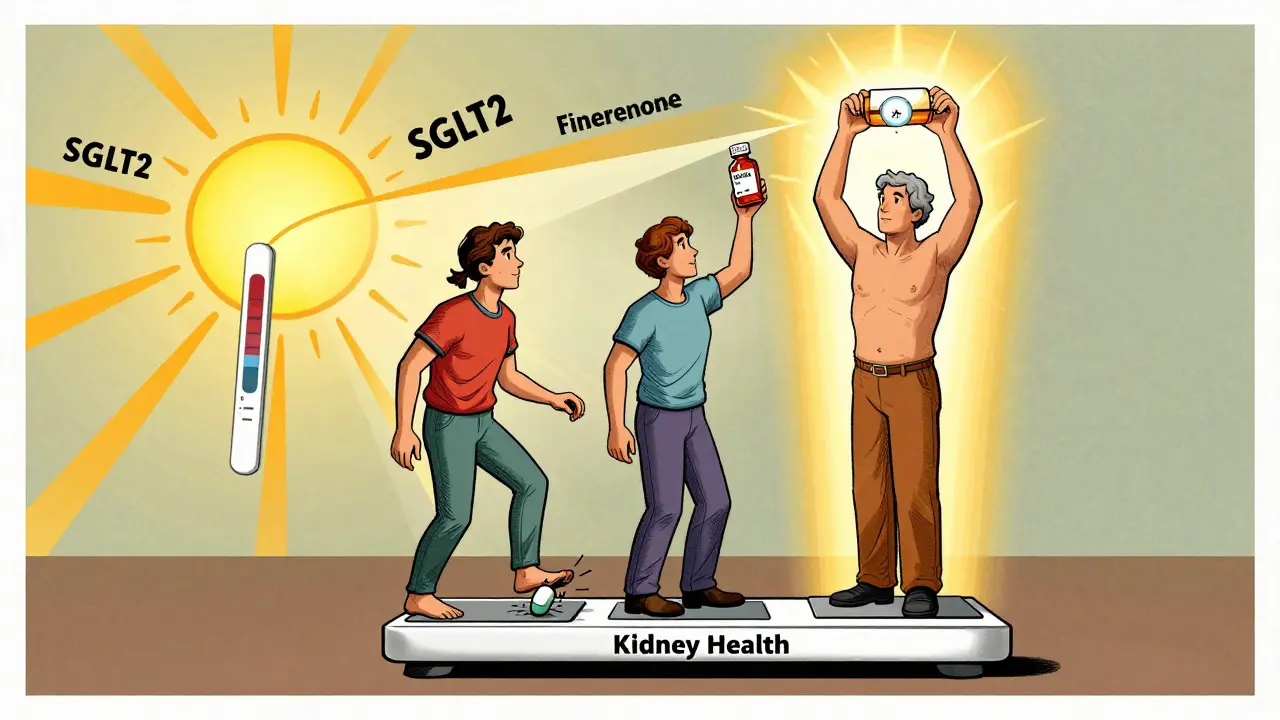
These newer drugs don’t replace ACE inhibitors or ARBs. They build on them. Think of it like this: ACE inhibitors and ARBs are the foundation. SGLT2 inhibitors are the roof. You need the foundation first.
If you can’t tolerate an ACE inhibitor or ARB-maybe you get a cough or low blood pressure-then yes, an SGLT2 inhibitor can be your first line. But if you can take them, use them. They’re still the gold standard.
What Drugs Should You Avoid?
Some common medications make kidney damage worse when you’re on an ACE inhibitor or ARB:
- NSAIDs (ibuprofen, naproxen, celecoxib): These cut blood flow to the kidneys. Combine them with an ACE inhibitor or ARB, and you risk sudden kidney failure.
- Loop diuretics (furosemide, torsemide): Used for swelling or heart failure, but they can trigger dehydration and kidney injury when paired with RAAS blockers.
- Contrast dye (for CT scans): Always tell your doctor you’re on an ACE inhibitor or ARB. You may need to pause it temporarily.
If you’re on painkillers regularly, switch to acetaminophen (paracetamol). If you’re on a diuretic for heart failure, your doctor should monitor your kidney function closely. Don’t assume it’s safe just because it’s ‘common.’
Who Shouldn’t Take These Drugs?
Not everyone. ACE inhibitors and ARBs are not recommended for:
- People with diabetes who have normal blood pressure and no protein in their urine (normoalbuminuric). Studies show no benefit here.
- Pregnant women. These drugs can cause serious birth defects.
- People with a history of angioedema (swelling of the face, tongue, or throat) from ACE inhibitors.
For others-especially those with high blood pressure, protein in urine, or early kidney damage-these drugs are non-negotiable.
The Real Problem: Doctors Aren’t Prescribing Them Right
Here’s the uncomfortable truth: only 60-70% of people with diabetic kidney disease get these drugs at all. And of those who do, most are on doses too low to work. Why?
Doctors fear creatinine spikes. They worry about potassium. They think ‘low dose is safer.’ But the data says otherwise. The American Diabetes Association calls this suboptimal care. Not using these drugs at full dose is like giving half a dose of insulin to someone with high blood sugar. It won’t work.
If you have diabetes and your doctor hasn’t talked to you about ACE inhibitors or ARBs, ask. If you’re on one but your dose hasn’t been increased in a year, ask again. Your kidneys can’t wait.
What’s Next? The Future of Kidney Protection
The game is changing. New drugs like finerenone (a nonsteroidal MRA) are showing promise in reducing kidney decline even further-when added to an ACE inhibitor or ARB. But they’re not replacements. They’re upgrades.
The future of diabetic nephropathy care looks like this:
- Start with an ACE inhibitor or ARB at the highest tolerated dose.
- Add an SGLT2 inhibitor if you haven’t reached your blood sugar or heart/kidney goals.
- Consider finerenone if you still have proteinuria despite the first two.
- Avoid NSAIDs, unnecessary diuretics, and drug combinations that raise risk.
This isn’t theory. This is what’s in the 2025 American Diabetes Association guidelines. And it’s working.
Take Action Now
If you have diabetes:
- Ask for a urine test for albumin-to-creatinine ratio (UACR). If it’s over 30 mg/g, you’re at risk.
- If you have high blood pressure or kidney damage, ask if you’re on an ACE inhibitor or ARB.
- If you are, ask: ‘Am I on the highest dose that’s safe for me?’
- If you’re not on one, ask why not.
Kidney damage from diabetes doesn’t have to be your future. It’s preventable. But only if you act-and only if you use the right tools at the right dose. Don’t wait for symptoms. Don’t wait for dialysis. Start protecting your kidneys today.
Shawn Raja
January 25, 2026 AT 23:06Shweta Deshpande
January 27, 2026 AT 16:16eric fert
January 28, 2026 AT 04:47Jessica Knuteson
January 28, 2026 AT 22:25SWAPNIL SIDAM
January 30, 2026 AT 11:59Mohammed Rizvi
February 1, 2026 AT 01:35Ashley Porter
February 1, 2026 AT 13:30Sally Dalton
February 2, 2026 AT 04:49Geoff Miskinis
February 3, 2026 AT 02:24Karen Droege
February 3, 2026 AT 10:27Betty Bomber
February 4, 2026 AT 23:32Dan Nichols
February 6, 2026 AT 03:57