Adverse Drug Reactions: What They Are, Why They Happen, and How to Stay Safe
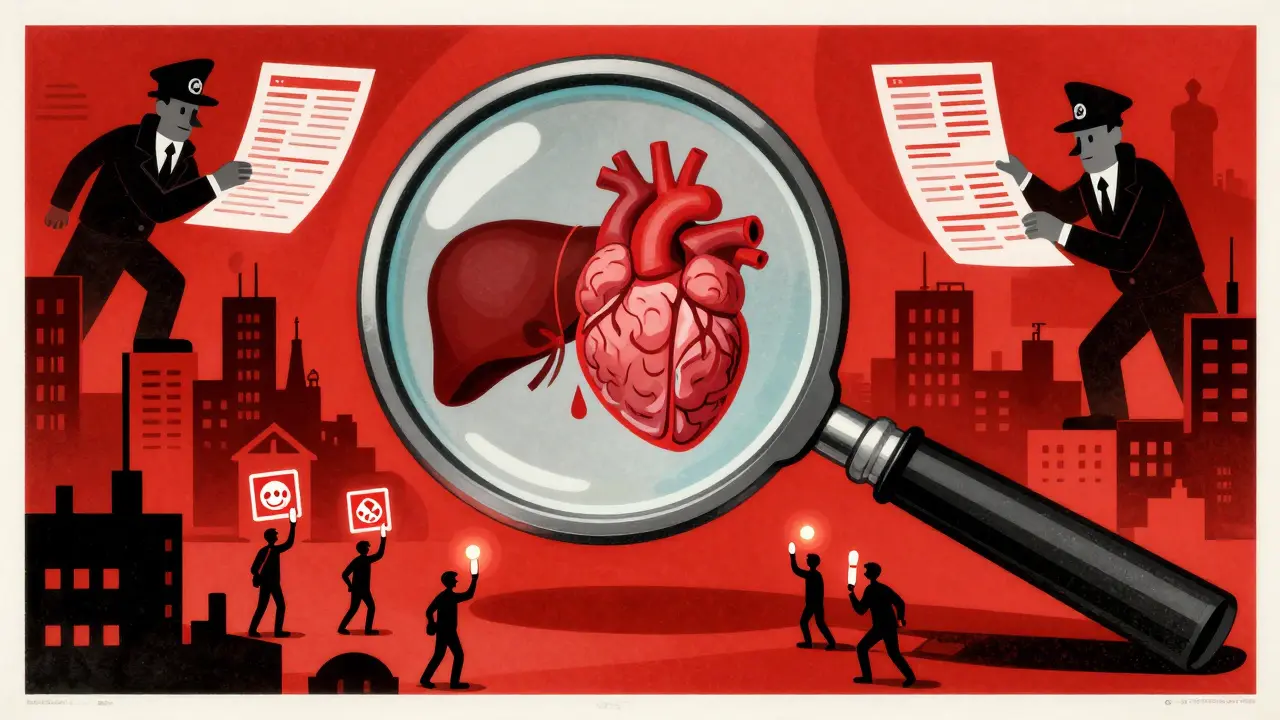
When you take a medicine, you expect it to help—not hurt. But adverse drug reactions, unintended and harmful responses to medications at normal doses. Also known as drug side effects, they range from a rash or upset stomach to heart problems, seizures, or even death. These aren’t just rare accidents. Millions of people experience them every year, and many go unreported because they’re dismissed as "just part of taking meds." The truth? Some reactions are predictable, preventable, and often missed by doctors and patients alike.
One of the most dangerous types is serotonin syndrome, a life-threatening condition caused by too much serotonin in the brain, often from mixing antidepressants with painkillers like tramadol. It doesn’t take a cocktail of drugs—sometimes just one, like tramadol alone, can trigger it. Then there’s drug interactions, when two or more medications clash in your body, changing how they work or increasing toxicity. A common example? Taking statins with grapefruit juice. It’s not myth—it’s science. Even something as simple as switching from a brand-name drug to a generic can cause trouble if you’re on a medication with a narrow therapeutic index, like cyclosporine or antiseizure drugs. These aren’t theoretical risks. They show up in ERs, nursing homes, and your own medicine cabinet.
And it’s not just about the pills. Your age, liver function, other health conditions, and even how you take your meds—on an empty stomach, with alcohol, or crushed into applesauce—can turn a safe drug into a danger. That’s why reading the medication guide isn’t optional. It’s your first line of defense. The posts below cover real cases: how tramadol can trigger serotonin syndrome even without other drugs, why generics can cause rejection in transplant patients, how statins mess with sleep, and why antihistamine dosing errors send kids to the hospital. You’ll find practical advice on spotting early warning signs, avoiding dangerous combos, and knowing when to call your doctor instead of waiting it out. This isn’t about scaring you. It’s about giving you the tools to take control—because knowing what to watch for could save your life.