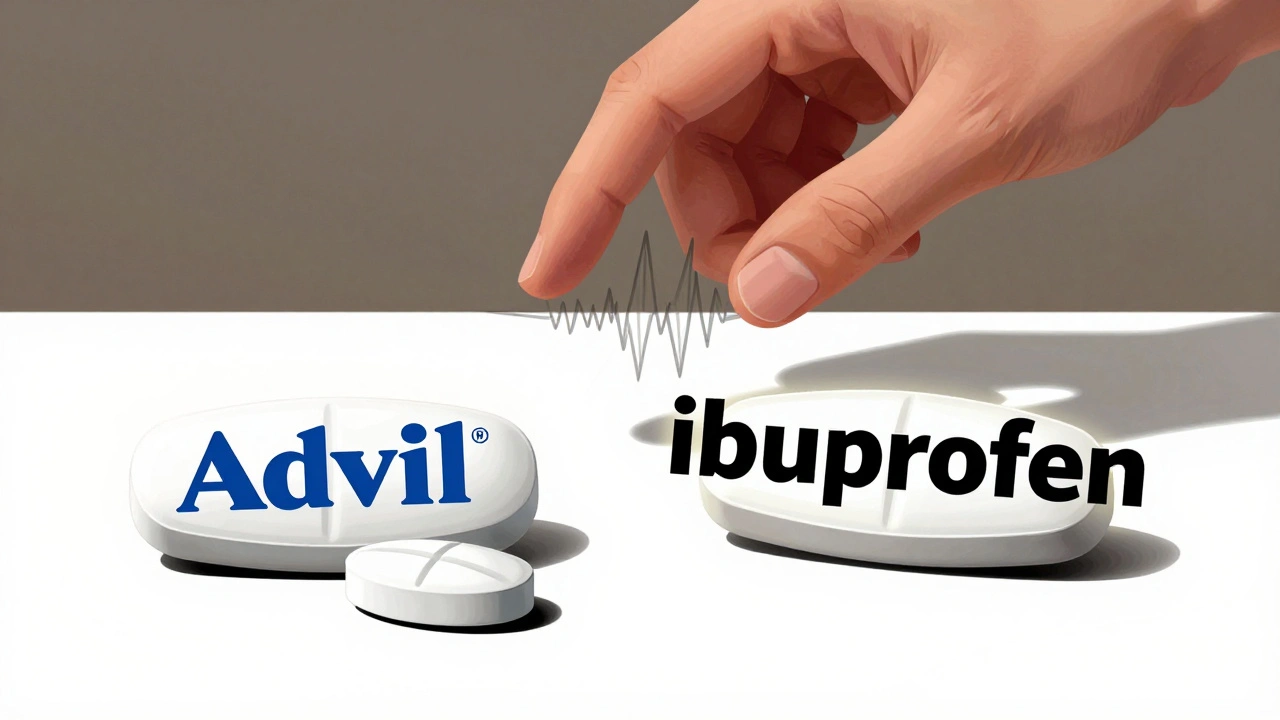
Brand vs Generic Drugs: What Really Matters for Your Health and Wallet
When you pick up a prescription, you might see two options: the familiar brand name or a cheaper generic. Brand vs generic, the difference between a drug sold under its original trademark and one made after the patent expires. Also known as brand-name versus generic medication, this isn’t just about price—it’s about safety, consistency, and how your body reacts. Most generics work just as well. The FDA requires them to have the same active ingredient, strength, and dosage form. But here’s the catch: not all generics are created equal, especially when you’re taking drugs with a narrow therapeutic index, medications where tiny changes in dose can cause serious side effects or treatment failure—like warfarin, thyroid meds, or immunosuppressants.
For most people, switching to a generic saves money without any issue. But if you’ve ever had a seizure after switching antiseizure meds, or your transplant rejected a new batch of cyclosporine, you know why this matters. Therapeutic equivalence, the official FDA rating that says a generic can be safely swapped for the brand is listed in the Orange Book, but even that doesn’t guarantee identical results in every body. Bioequivalence tests check blood levels, but they don’t capture how your gut absorbs it over months, or how your liver processes it when you’re stressed, sick, or on other meds. That’s why some patients stick with the brand—not because they’re stubborn, but because their body has learned to rely on one specific version.
And it’s not just about pills. Generic substitution, when a pharmacist swaps your brand for a generic without asking is legal in most places—but you have the right to say no. If you’re on a chronic condition like epilepsy, heart disease, or depression, don’t assume the switch is harmless. Track how you feel after a switch. Keep notes on sleep, mood, energy, or side effects. Talk to your doctor before letting your pharmacy auto-substitute. The savings are real, but your health isn’t a cost center.
What you’ll find below isn’t just theory. Real patient stories, clinical data, and breakdowns of what happens when generics go wrong—especially with critical drugs. We cover how the FDA approves them, why some people react differently, and which medications are safest to switch. You’ll also see how Europe’s tendering systems push for generics without risking lives, and why biologics can’t be copied like regular pills. This isn’t about choosing sides. It’s about knowing when to trust the generic—and when to hold onto the brand.