Drug Shortages: Why They Happen and How They Affect Your Medication
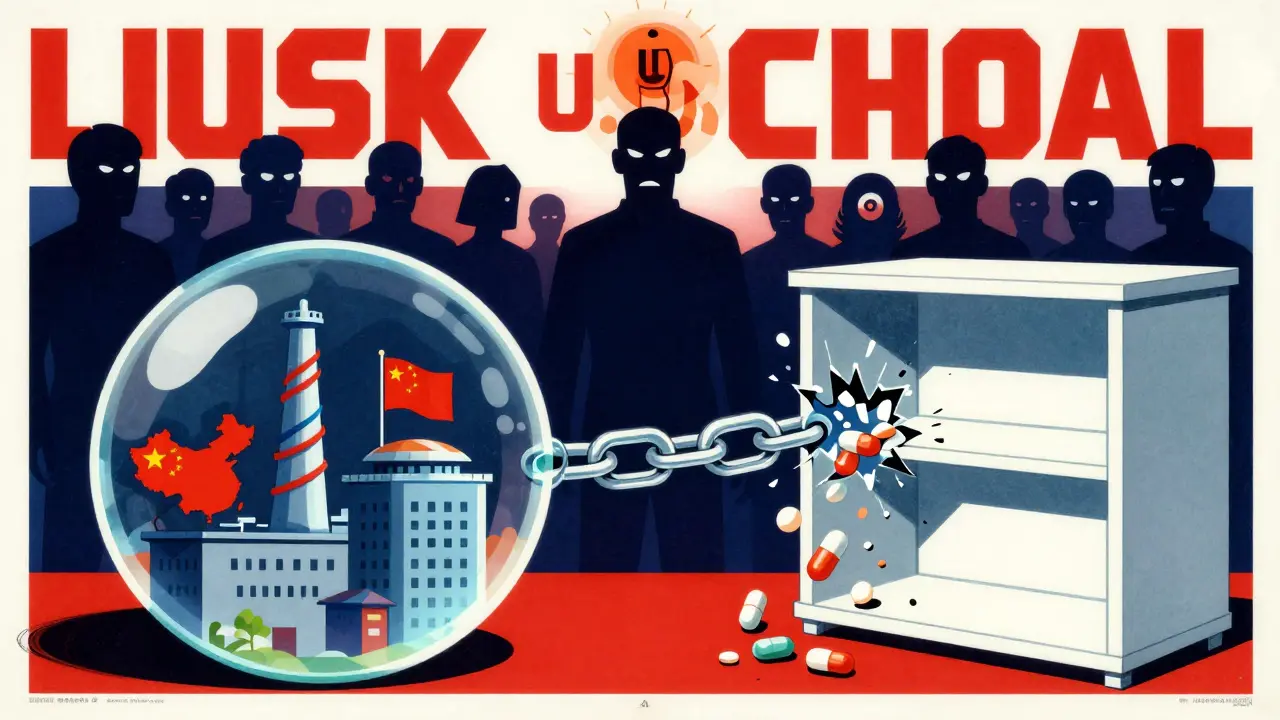
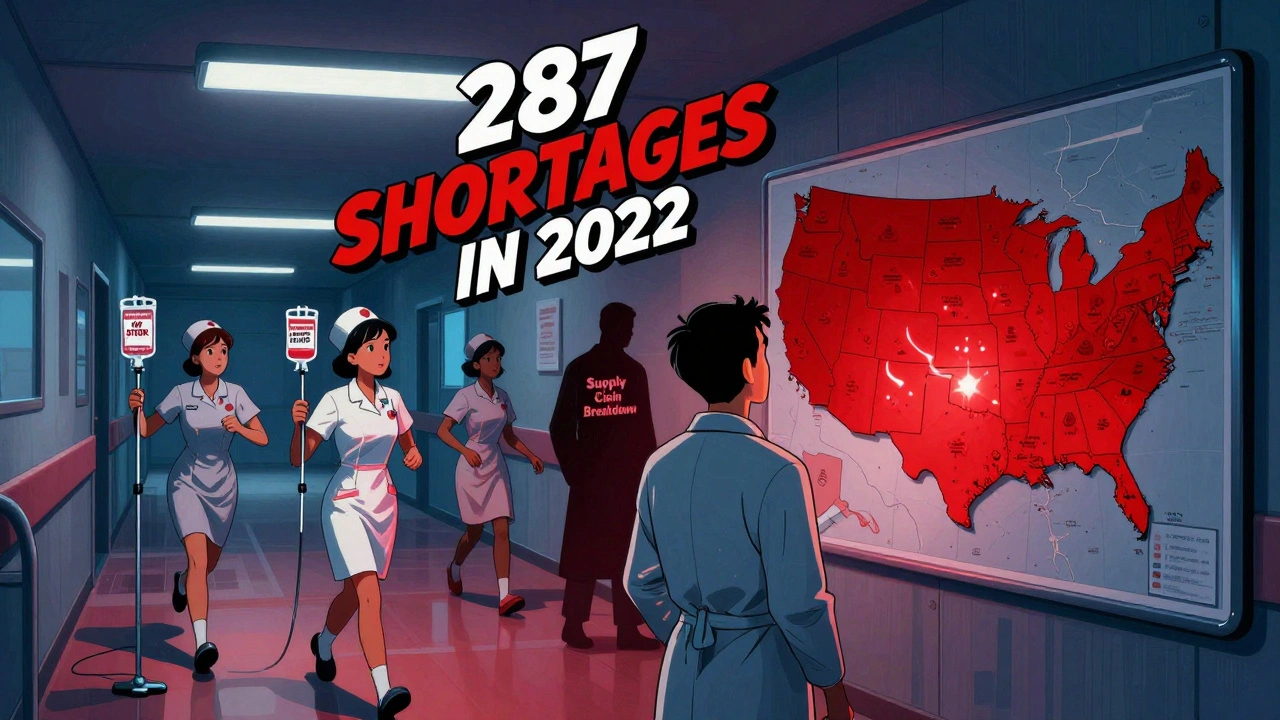
When your pharmacy says drug shortages are causing delays, it’s not just a inconvenience—it’s a real health risk. A drug shortage, a period when there isn’t enough of a medication available to meet patient demand can happen to anything from antibiotics to insulin, and it’s becoming more common. These aren’t random glitches. They’re the result of a fragile global supply chain, manufacturing problems, and economic pressures that push companies to stop making low-profit drugs—even if they’re life-saving.
One major reason generic drug supply, the availability of non-brand versions of medications that are chemically identical to brand-name drugs is failing is that many generic manufacturers operate on razor-thin margins. If a drug costs $0.10 per pill and the government pays $0.12, there’s no room for error. A single factory shutdown, a quality control issue, or a raw material delay can knock out supply for months. And when that happens, patients on generic substitution, the practice of replacing a brand-name drug with a chemically identical generic version often get switched to another generic—or worse, forced to pay more for the brand. For drugs with a narrow therapeutic index, like cyclosporine or antiseizure meds, even small formulation differences can cause rejection, seizures, or toxicity.
It’s not just about cost. The pharmaceutical supply chain, the complex network of manufacturers, distributors, and regulators that move drugs from labs to pharmacies is stretched thin. Most active ingredients come from just a few countries, and if there’s a political issue, natural disaster, or pandemic, production slows or stops. You might not know it, but the pill you take every day could be sitting in a warehouse halfway across the world, waiting for a shipping container to clear customs. When that doesn’t happen, your doctor gets a call saying your usual medication isn’t available.
What does this mean for you? You might get a different pill, a different dose, or have to wait weeks. Some patients switch to alternatives that don’t work as well. Others skip doses. And because many people don’t know how to spot a shortage or what to do next, they end up confused and anxious. The good news? You’re not powerless. Knowing the signs, asking the right questions, and keeping a backup supply when possible can make a big difference. Below, you’ll find real stories and practical advice from people who’ve been through it—plus guides on how to track shortages, understand your options, and protect your treatment plan.