Medication Safety: How to Avoid Harm, Errors, and Risks with Your Drugs
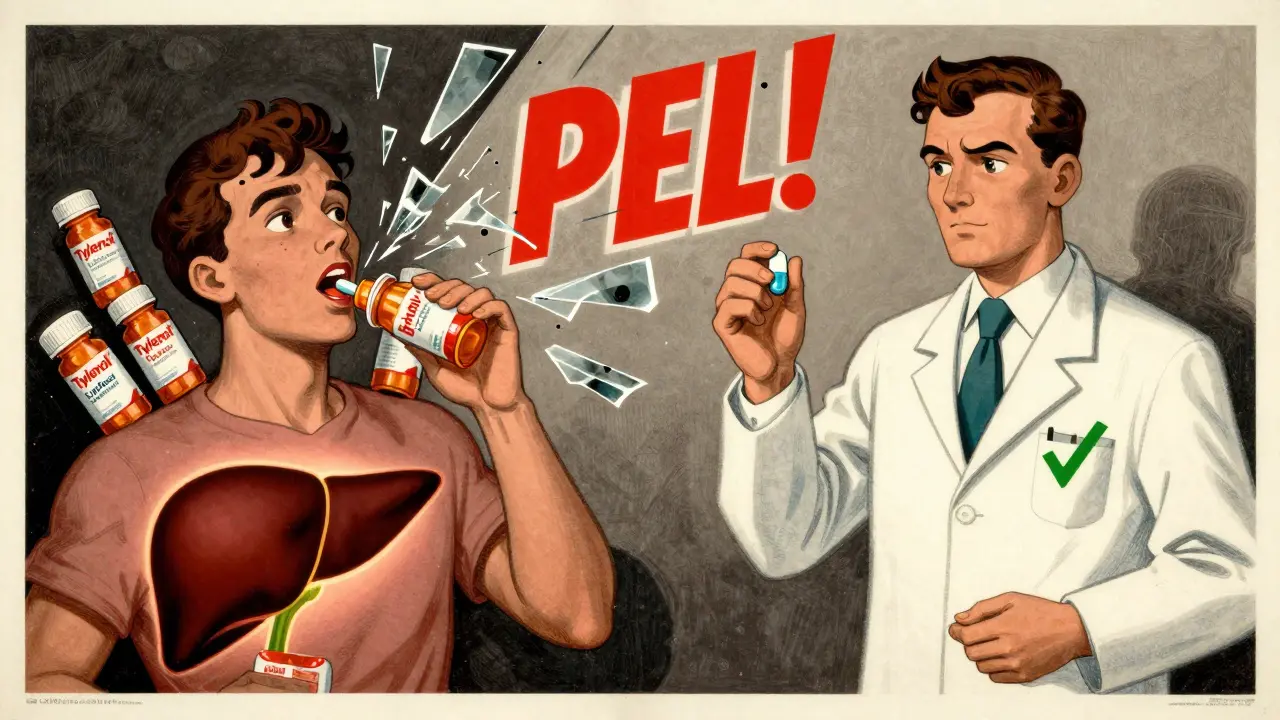
When you take a pill, you expect it to help—not hurt. But medication safety, the practice of using drugs correctly to avoid harm, errors, and unintended side effects. Also known as drug safety, it’s not just about following the label—it’s about understanding how your body reacts, what your pills really contain, and how to handle them responsibly. Every year, thousands of people end up in the ER because of simple mistakes: giving a child too much Benadryl, mixing blood pressure meds with the wrong generic, or flushing old pills down the toilet. These aren’t rare accidents. They’re preventable.
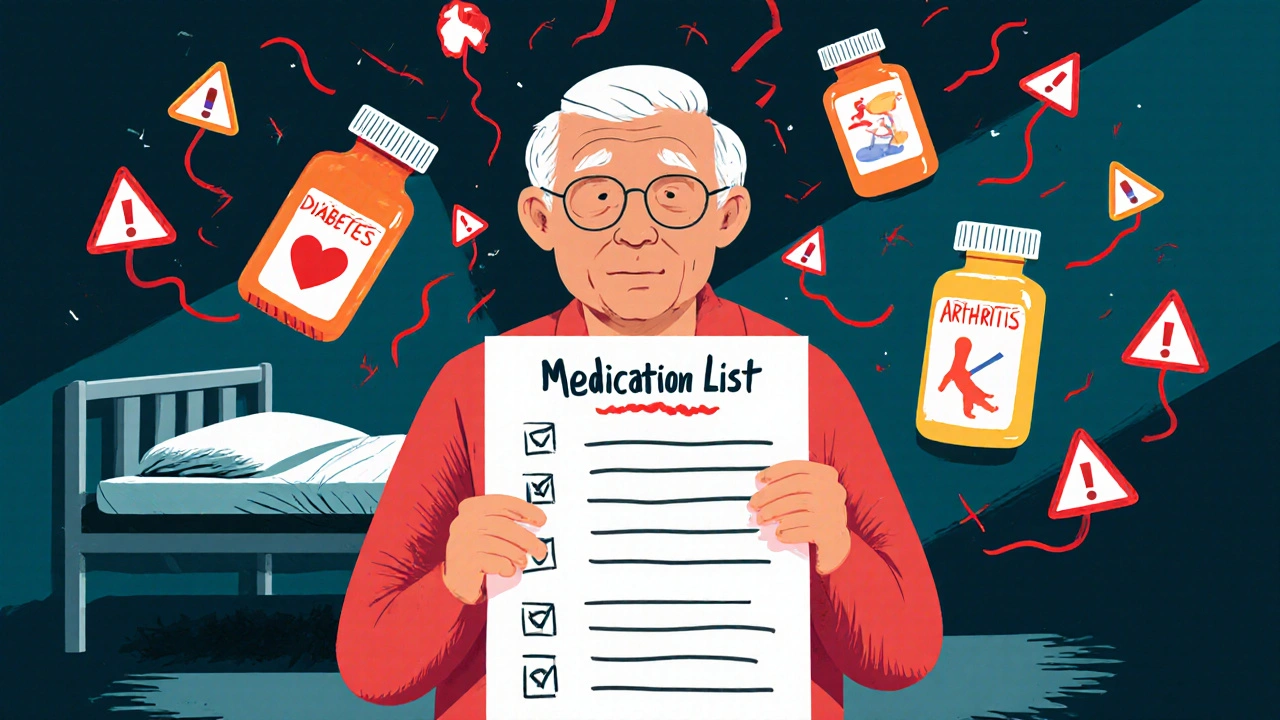
Generic drugs, lower-cost versions of brand-name medications that must meet FDA bioequivalence standards. Also known as generic substitution, they save billions—but for drugs with a narrow therapeutic index, like immunosuppressants or antiseizure meds, even tiny differences in formulation can trigger rejection, seizures, or toxicity. That’s why switching generics isn’t like swapping brands of toothpaste. And pediatric dosing, the precise calculation of drug amounts for children based on weight, not age. Also known as children’s medication safety, it’s where mistakes happen fastest—because parents use kitchen spoons instead of syringes, or assume "one size fits all" for allergy meds. Then there’s drug disposal, the safe way to get rid of unused or expired medications to protect water supplies and prevent accidental poisoning. Also known as safe drug disposal, it’s something no one talks about until a kid finds grandma’s old painkillers—or fish start dying in rivers because of flushed antidepressants. And let’s not forget medication adherence, how consistently patients take their drugs as prescribed. Also known as pill-taking habits, it’s the silent killer behind hospital readmissions—45% of people miss doses, not because they’re careless, but because they forget, can’t afford them, or don’t understand why they matter.
Medication safety isn’t one rule. It’s a chain: knowing what’s in your bottle, how to take it, who it’s for, and what to do when it’s done. It’s checking if your blood pressure pill is really the same after a refill. It’s using a dosing cup for your toddler’s Zyrtec, not a teaspoon. It’s dropping old pills at a pharmacy take-back bin, not the toilet. It’s setting a reminder on your phone so you don’t skip your transplant meds. These aren’t just tips—they’re lifelines.
Below, you’ll find real, practical guides on exactly these issues: apps that help you remember pills, why some generics can be dangerous, how to dispose of drugs without poisoning the planet, why kids’ allergy meds need weight-based dosing, and how even small mistakes with blood pressure or seizure drugs can have big consequences. No fluff. No theory. Just what you need to keep yourself and your family safe.