Pharmacovigilance: Understanding Drug Safety Monitoring and Real-World Risks
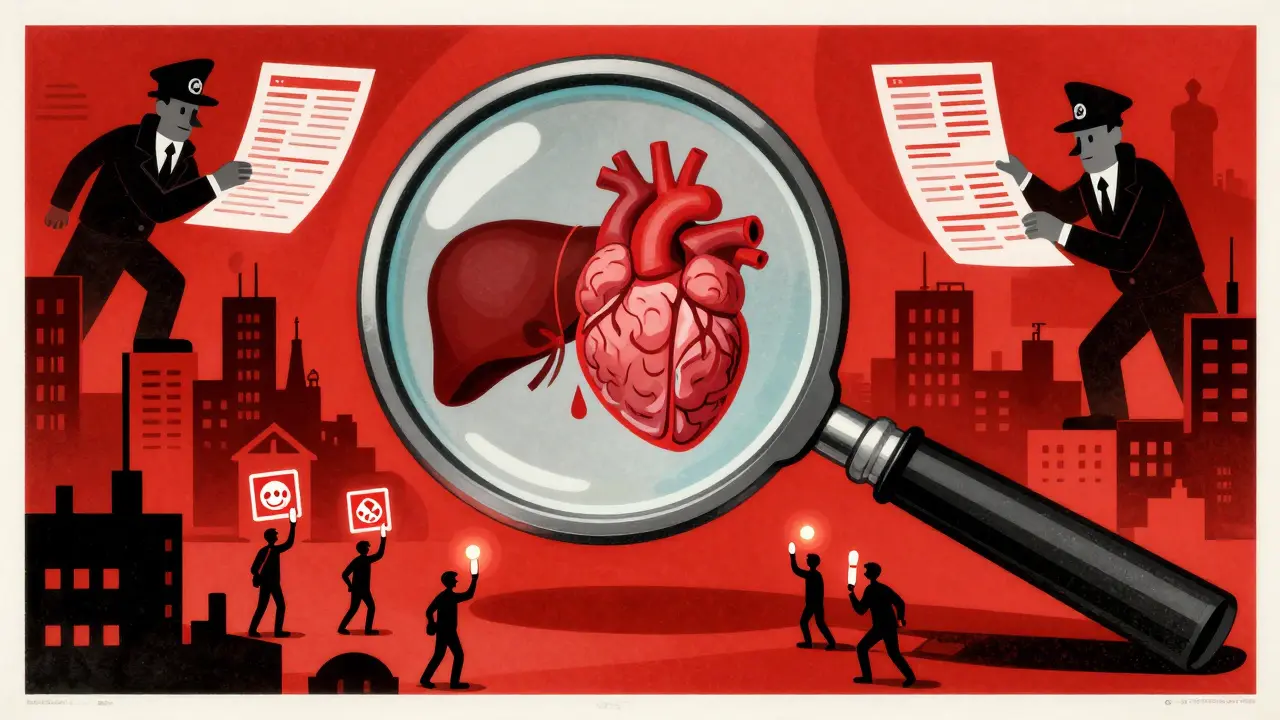
When you take a pill, you trust it’s safe—but safety doesn’t end when a drug hits the market. Pharmacovigilance, the science and activities focused on detecting, assessing, understanding, and preventing adverse effects or any other medicine-related problems. It’s the quiet system working behind the scenes to catch dangers that clinical trials missed. Think of it like a radar for side effects: what happens when thousands, then millions, of people use a drug over years? That’s where pharmacovigilance kicks in.
It’s not just about rare reactions. Adverse drug reactions, harmful and unintended responses to medications at normal doses can show up months or years later. A drug that seems fine in a 500-person trial might cause heart rhythm issues in 1 in 10,000 users. That’s why pharmacovigilance relies on real-world reports—from doctors, pharmacists, and even patients filing side effect logs. It’s how we learned that certain statins could trigger vivid dreams, or that tramadol alone might cause serotonin syndrome. These aren’t theoretical risks. They’re documented through global reporting networks like the FDA’s MedWatch and the WHO’s Uppsala Monitoring Centre.
Post-market surveillance, the ongoing monitoring of drug safety after regulatory approval is what keeps generics, biologics, and new antiseizure meds from slipping through the cracks. When a patient switches from brand to generic cyclosporine and starts rejecting a transplant, pharmacovigilance systems flag it. When a new antidepressant links to suicidal thoughts in teens, it’s not luck—it’s surveillance. And when a medication shortage forces hospitals to use alternatives, pharmacovigilance helps track whether those swaps introduce new risks.
This isn’t bureaucracy. It’s protection. Every time you read a warning on a medication guide, or see a recall notice, that’s pharmacovigilance in action. It’s why some drugs get black box warnings, why certain combinations are flagged as dangerous, and why you’re told to report even "minor" side effects. The posts below show you how this system touches real life: from how generic substitutions can trigger seizures in epilepsy patients, to how social media helps patients spot patterns doctors miss, to why flushing pills isn’t just bad for the environment—it’s bad for public health monitoring. What you’ll find here aren’t abstract concepts. They’re stories of drugs that worked, drugs that hurt, and the systems that try to keep you safe.