Drug Interaction Classifier
How to use: Read the clinical scenario below. Is this a Pharmacokinetic (PK) interaction (how the body handles the drug) or a Pharmacodynamic (PD) interaction (how the drug affects the body)?
CURRENT SCENARIO
Loading scenario...
Try Next Scenario
| Feature | Pharmacokinetic (PK) | Pharmacodynamic (PD) |
|---|---|---|
| Core Concept | What the body does to the drug | What the drug does to the body |
| Main Effect | Changes the drug's concentration | Changes the body's response |
| Common Fix | Dose adjustment | Avoiding the combination |
| Predictability | Highly predictable (via TDM) | More complex/variable |
The Mechanics of Pharmacokinetics: The Body's Logistics
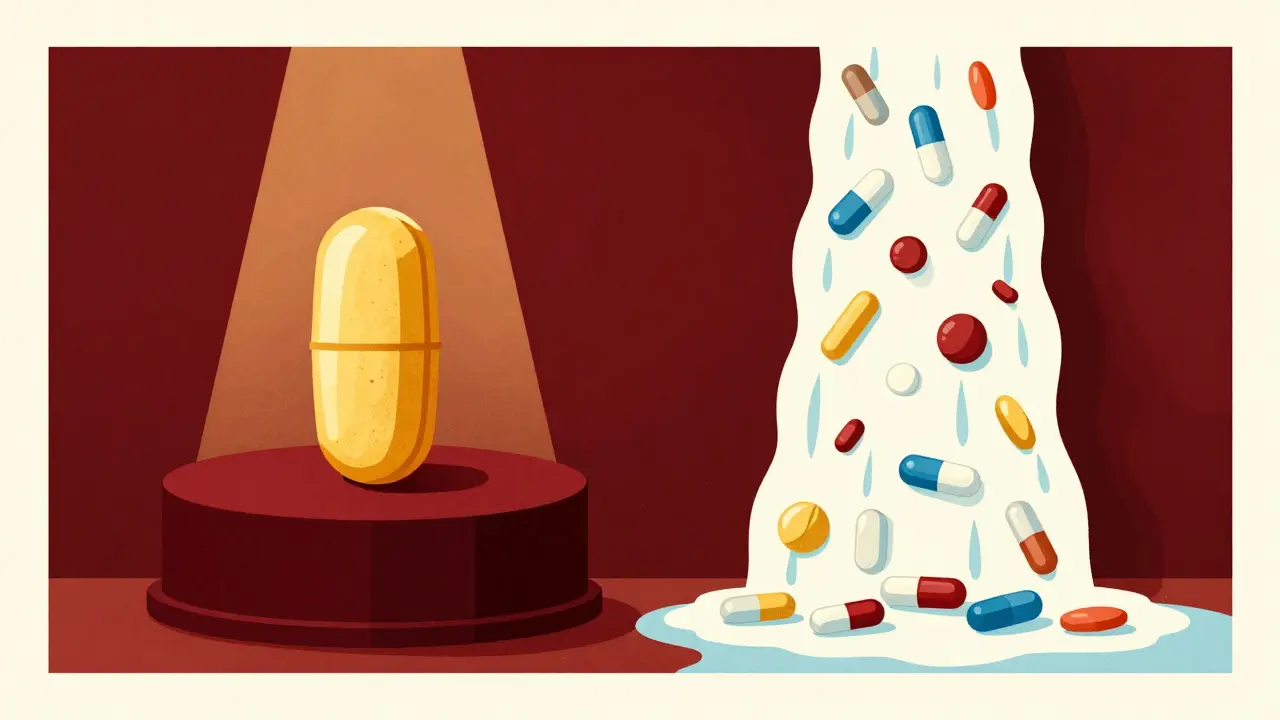
Think of Pharmacokinetics is the study of how a drug moves through the body, encompassing absorption, distribution, metabolism, and excretion (ADME). If a pharmacokinetic interaction occurs, it means the concentration of the drug in your bloodstream has changed. This is a huge deal because if the concentration is too low, the drug doesn't work; if it's too high, you risk toxicity.
These interactions happen in four distinct stages:
- Absorption: This is where the drug enters the system. For example, taking an antacid can block the absorption of certain antibiotics like ciprofloxacin, potentially reducing its effectiveness by as much as 90%.
- Distribution: Once in the blood, drugs often hitch a ride on proteins. Some drugs can "bump" others off these proteins. Phenylbutazone can displace warfarin from plasma proteins, causing a massive 300% spike in the amount of free, active warfarin in the blood, which can lead to dangerous bleeding.
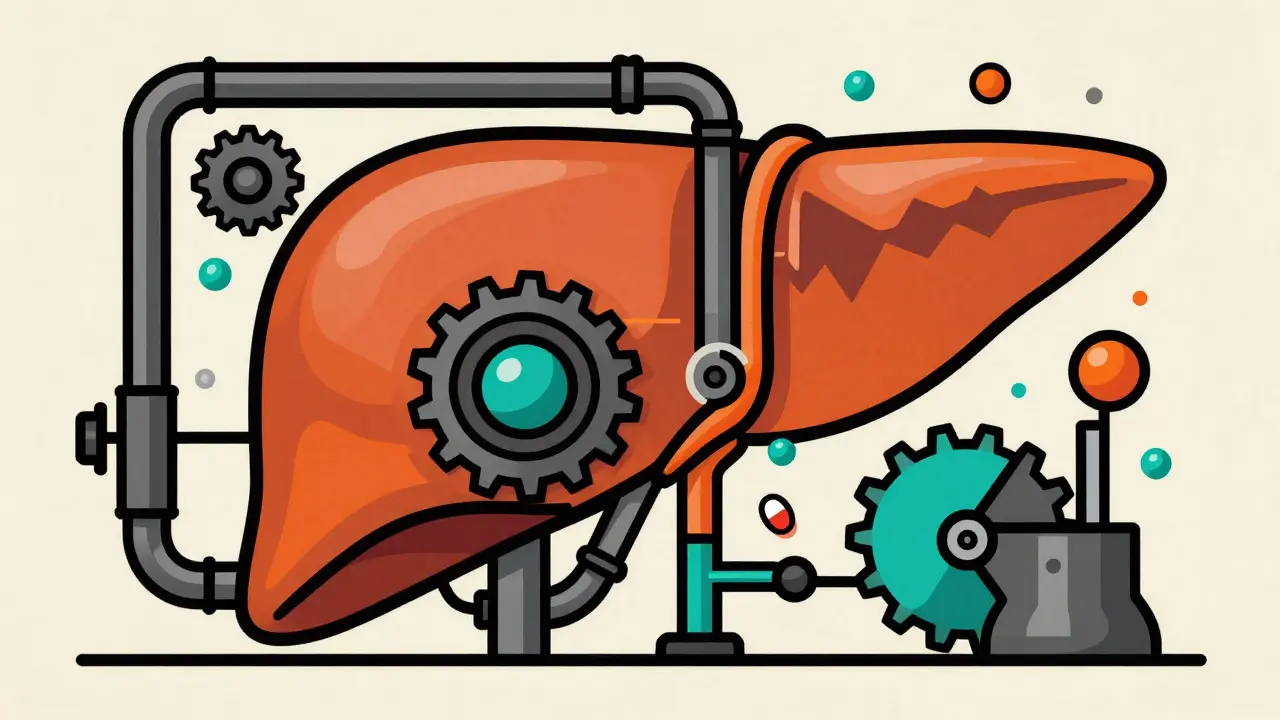
- Metabolism: This mostly happens in the liver using Cytochrome P450 is a superfamily of enzymes responsible for the metabolism of most medications, with CYP3A4 being the most prominent. When one drug inhibits an enzyme, other drugs can't be broken down. For instance, clarithromycin inhibits CYP3A4, which can make simvastatin levels jump 10-fold in your system.
- Excretion: This is the exit strategy, usually through the kidneys. Probenecid can slow down the clearance of penicillin by 50%, keeping the antibiotic in your system much longer than intended.
Because PK interactions are about numbers and concentrations, doctors can often manage them through Therapeutic Drug Monitoring (TDM)-essentially testing your blood levels and adjusting the dose to keep you in the "goldilocks zone."
The Dynamics of Pharmacodynamics: The Biological Response
While PK is about logistics, Pharmacodynamics is the study of the biochemical and physiological effects of drugs on target receptors and the resulting biological responses. Here, the drug concentration in your blood might be perfectly normal, but the effect is amplified or cancelled out because the drugs are hitting the same physiological pathways.
There are three main ways these interactions play out:
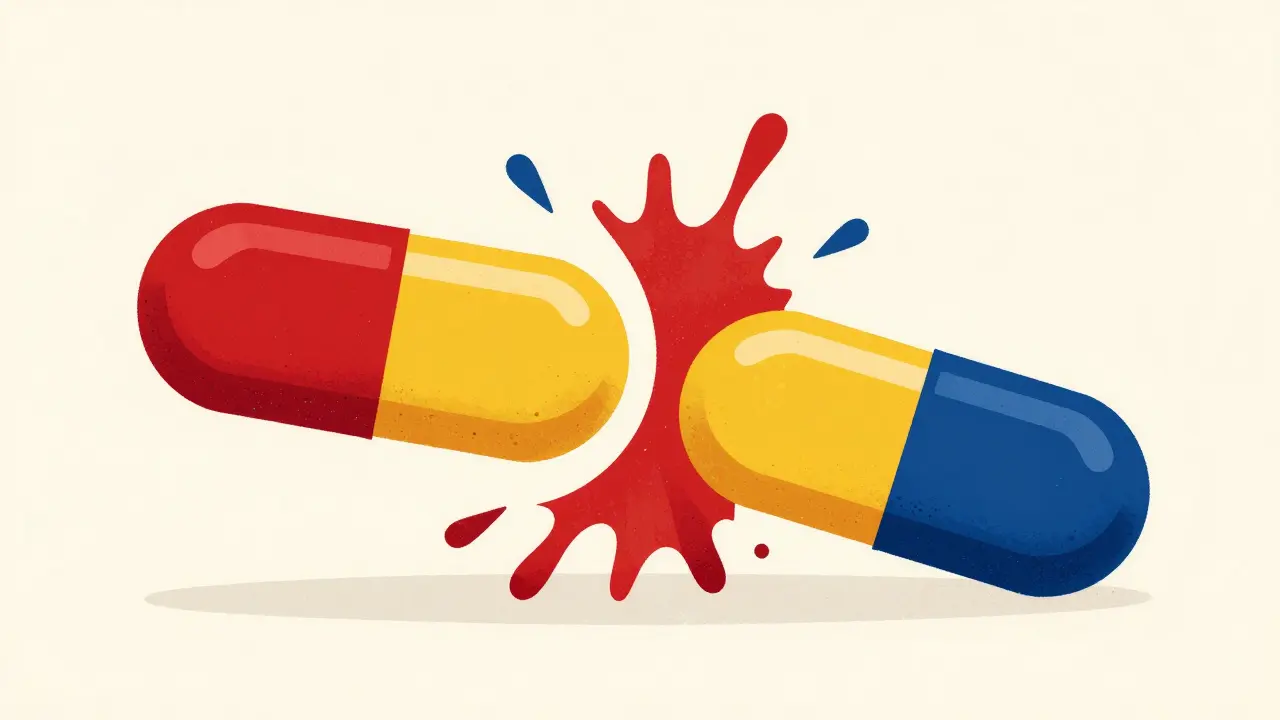
- Synergistic Effects: This is when 1 + 1 = 3. The combined effect is greater than the sum of the parts. A classic, dangerous example is combining sildenafil (Viagra) with nitrates; both drop blood pressure, and together they can cause a catastrophic collapse in blood pressure (severe hypotension).
- Additive Effects: This is a simple 1 + 1 = 2. If you take warfarin (a blood thinner) and aspirin, both increase bleeding risk. Together, they simply add up to a much higher risk of internal bleeding.
- Antagonistic Effects: This is when drugs fight. One drug blocks the other. A life-saving example is Naloxone is an opioid antagonist used to rapidly reverse opioid overdose by competing for the same receptors, which kicks opioids off the receptors in the brain to stop a respiratory arrest.
Pharmacodynamic interactions are particularly common in the central nervous system. About 85% of drug interactions involving the brain-like those between antidepressants and antipsychotics-fall into this category. Unlike PK interactions, you usually can't just "lower the dose" to fix these; often, the only safe move is to stop using one of the medications entirely.
Why the Distinction Matters for Your Health
You might wonder why we bother separating these two. The reason is that the management strategy for each is completely different. If a pharmacist tells you that a new drug will interfere with your current medication, they are checking to see if they need to change your dose or if the combination is strictly forbidden.
For people dealing with polypharmacy-taking five or more medications daily-this is a critical safety net. Data shows that roughly 15% of adults over 65 fall into this category. When you're taking a "cocktail" of drugs, the risk of an adverse event skyrockets. In the UK, these interactions contribute to nearly 7% of all hospital admissions. PK interactions are often the primary culprits for drugs with a "narrow therapeutic index" (where the difference between a healing dose and a poisonous dose is tiny), such as digoxin or phenytoin.
On the other hand, PD interactions are more prevalent in cardiovascular and CNS medications. For example, using an NSAID (like ibuprofen) alongside an ACE inhibitor for blood pressure can reduce the antihypertensive effect by up to 30%. The drug concentration hasn't changed, but the way your kidneys handle prostaglandins has, effectively "muting" the blood pressure medication.
Modern Tools and the Future of Interaction Prediction
We are moving away from the era of "trial and error." Today, Electronic Health Records (EHR) use sophisticated screening. Systems like Epic now flag thousands of high-severity interactions based on the Flockhart Table, which is a gold-standard list of enzyme inhibitors and inducers.
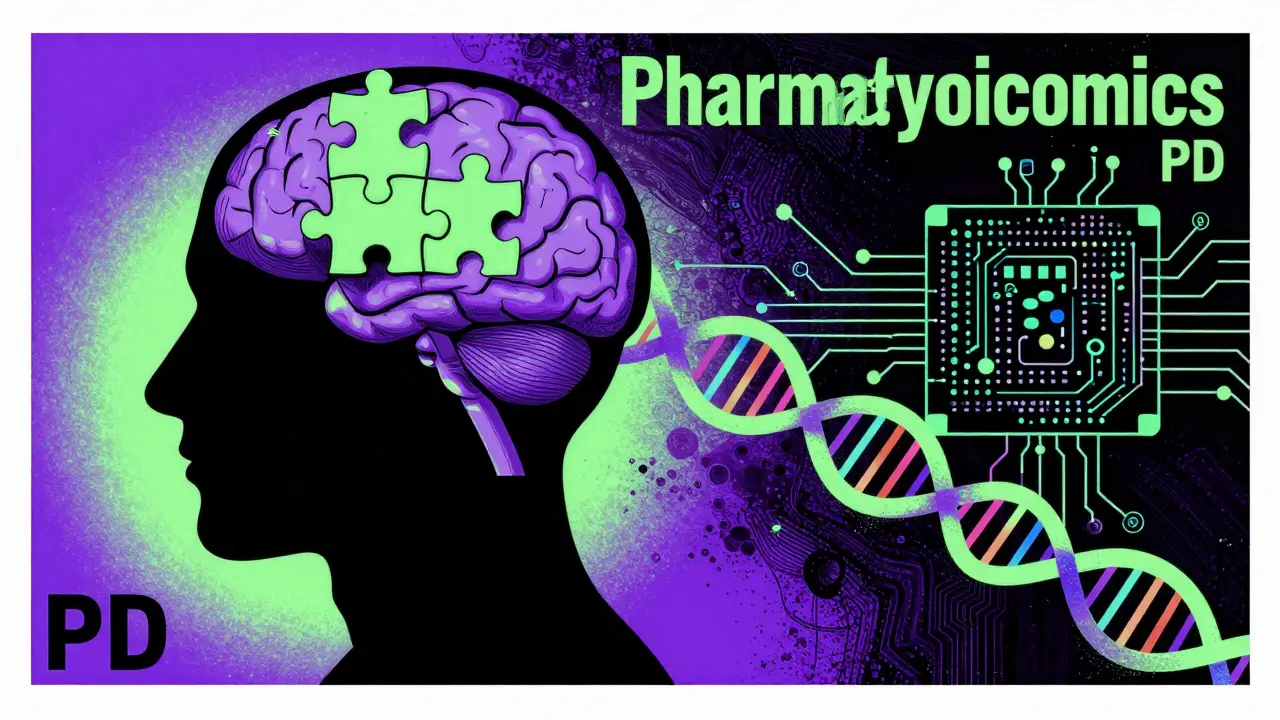
The next frontier is Pharmacogenomics is the study of how a person's unique genetic makeup affects their response to drugs. Not everyone has the same CYP450 enzymes. Some people are "ultra-rapid metabolizers," meaning they clear drugs so fast they never reach a therapeutic level. Others are "poor metabolizers," meaning a standard dose could be toxic for them. By testing your DNA, doctors can predict PK interactions before you even take the first pill.
Artificial Intelligence is also stepping in. Recent models have shown nearly 89% accuracy in predicting pharmacodynamic interactions, which have historically been much harder to guess than the more linear pharmacokinetic ones. This level of precision could prevent millions of adverse events annually, potentially saving billions in healthcare costs globally.
What is the easiest way to remember the difference between PK and PD?
Just remember: Pharmacokinetics (PK) is "what the body does to the drug" (absorbing, breaking it down, and getting rid of it). Pharmacodynamics (PD) is "what the drug does to the body" (hitting receptors and changing how your organs function).
Can a drug interaction be a good thing?
Yes! Some interactions are intentional. Doctors use "synergy" to make treatments more effective. For example, combining two different antibiotics that attack a bacteria in two different ways (a PD interaction) can clear an infection that neither drug could handle alone.
Do over-the-counter (OTC) meds cause these interactions?
Absolutely. Many people forget that things like antacids, St. John's Wort, or ibuprofen are drugs. St. John's Wort, for instance, is a powerful inducer of CYP3A4, which can speed up the metabolism of other drugs, making them less effective.
How quickly do these interactions happen?
It depends on the type. Pharmacodynamic interactions usually happen immediately-as soon as both drugs are in your system. Pharmacokinetic interactions, especially those involving enzyme induction or inhibition, can take several days (typically 3-5) to reach their full effect.
How can I prevent dangerous drug interactions?
The best way is to maintain a complete, updated list of every medication, supplement, and herbal tea you take and share it with every provider. Pharmacist-managed medication therapy services are incredibly effective, reducing adverse events by over 40% through systematic PK/PD screening.
Next Steps for Medication Safety
If you are managing multiple medications, don't rely on memory. Create a "medication map" that includes the dose and the time of day you take each pill. When starting a new drug, specifically ask your pharmacist: "Does this change how my other meds are absorbed or metabolized?" or "Does this affect the same system as my blood pressure/diabetes medication?"
If you feel new or unusual symptoms after adding a drug-even an OTC supplement-don't assume it's just a side effect. It could be a dynamic interaction. Contact your provider immediately to see if a dose adjustment or a drug switch is necessary to keep your treatment safe and effective.