
Medication Appetite Risk & Defense Tool
Analyze Your Profile
My Defensive Habits (Check if applicable)
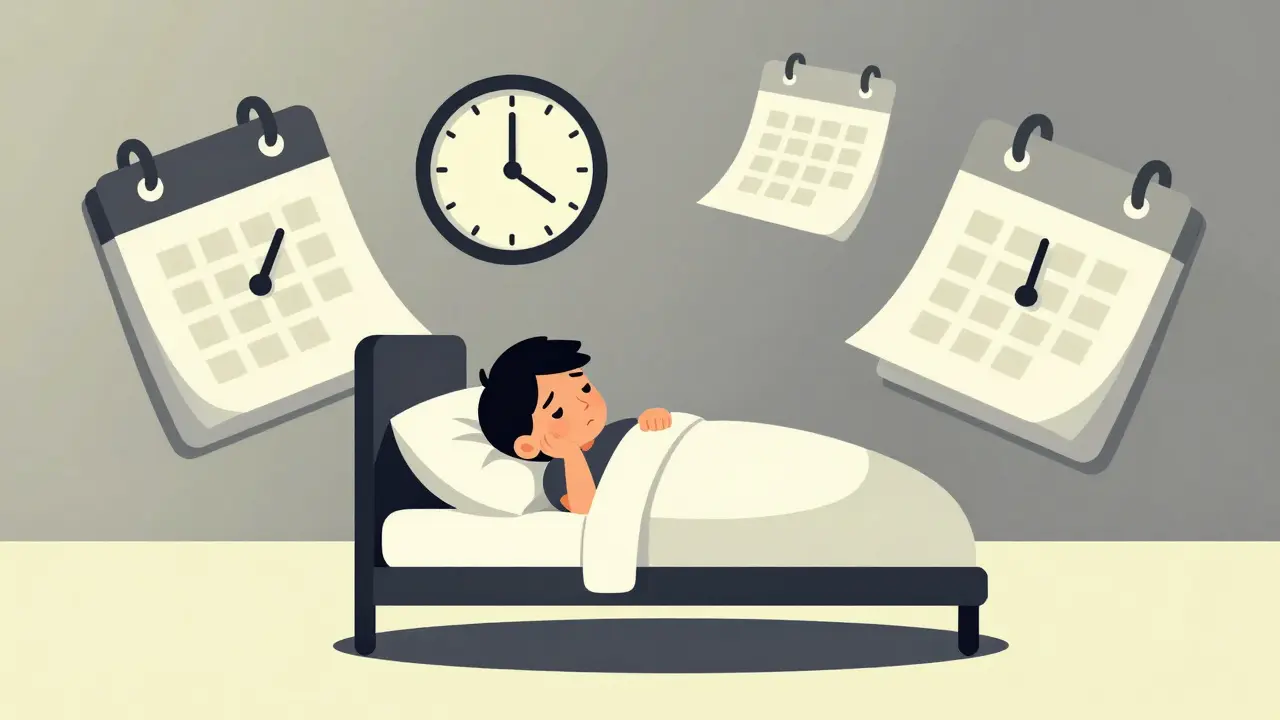
You sit down for dinner, and you're already hungry. It feels like your body just won't stop asking for fuel. For millions of people, this isn't just a random phase or a bad week; it's a direct result of the prescription sitting on their nightstand. Medication-Induced Appetite Changes are a documented physiological response that impacts millions worldwide. It happens with psychiatric drugs, diabetes treatments, and even common allergy meds. If you have noticed a shift in your hunger levels after starting a new treatment, you aren't imagining it.
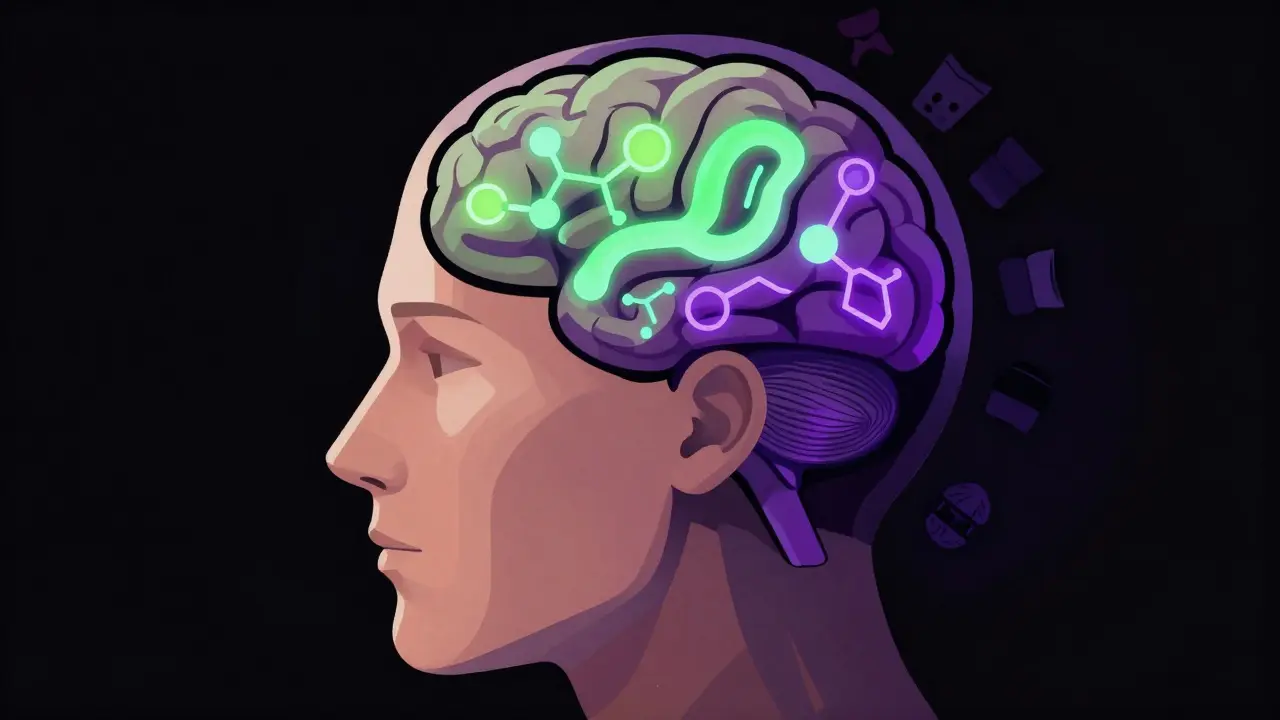
The science behind this is fascinating but frustratingly complex. Your brain uses chemicals like serotonin and dopamine to signal when you're full or when you need energy. When you introduce pharmaceutical agents, they sometimes hijack these signals. Research indicates that around 40% of adults dealing with obesity issues report their condition was complicated by medication side effects. It creates a cycle where the cure for one problem introduces another, often requiring strict behavioral adjustments to manage.
The Biological Mechanism Behind Hunger Signals
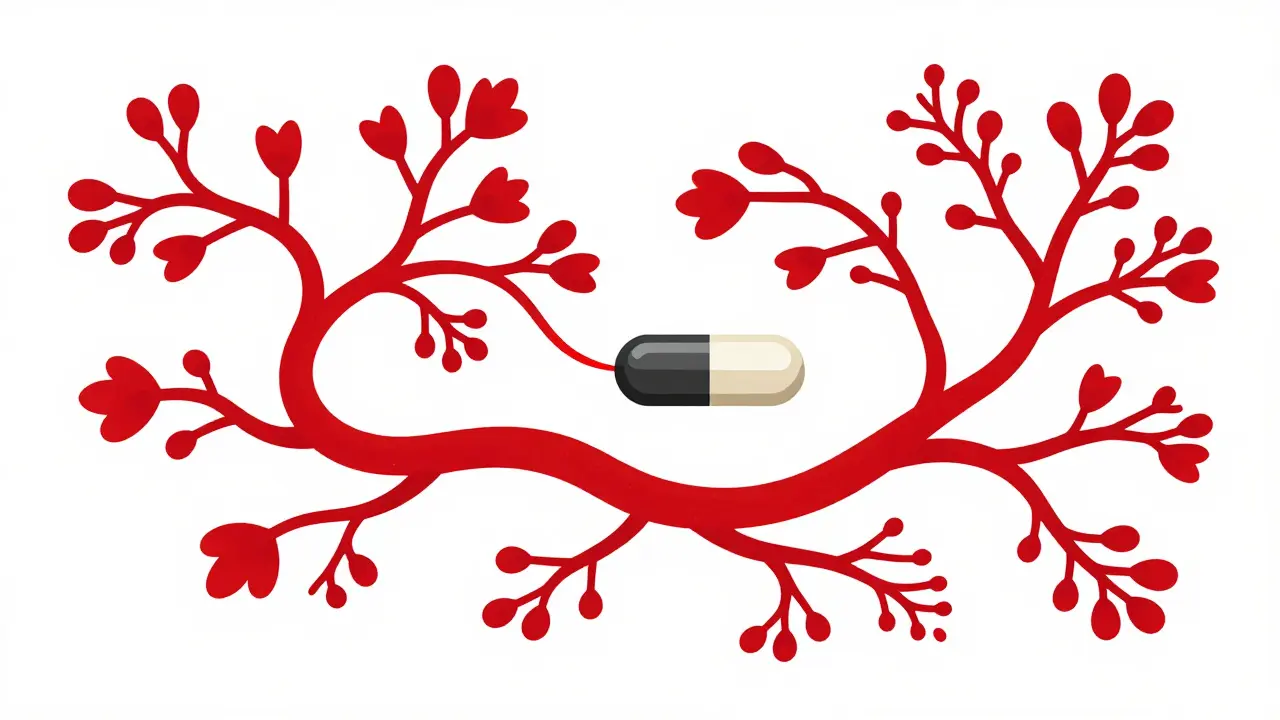
To fix the problem, we have to understand the engine room. The hypothalamus in your brain regulates hunger through hormones like Ghrelina hormone responsible for stimulating appetite. Some medications trigger a spike in ghrelin levels. For example, certain antipsychotic drugs can increase ghrelin by nearly 20% within the first month of treatment. This is your body chemically demanding calories even if you've just eaten.
Then there is the issue of neurotransmitters. Serotonin plays a huge role in mood and satiety. Antidepressants often target these receptors to lift depression. Short-term use can help reduce impulsivity and increase feelings of fullness. However, long-term use, specifically beyond a year, can lead to receptor downregulation. This means your brain stops responding to the "I am full" signal, leading to specific cravings, particularly for carbohydrates. This is why many patients report a sudden need for sugar once their initial adjustment period passes.
Dopamine inhibition also plays a part. Stimulant medications work by blocking dopamine reuptake, which naturally suppresses appetite. Conversely, sedating medications might slow metabolism, making you feel sluggish while simultaneously burning fewer calories. It is a tug-of-war between your metabolic rate and your hunger drive, orchestrated entirely by the chemistry in your bloodstream.
Common Medications Linked to Appetite Shifts
Not all pills react the same way. Some classes are notorious for altering your diet, while others might have a neutral effect. Understanding which medication class you belong to helps predict potential risks.
| Medication Class | Example Drug | Typical Effect | Average Weight Change |
|---|---|---|---|
| Antipsychotics | Olanzapine | Significant Increase | 4-6 kg (10 weeks) |
| Antidepressants | Mirtazapine | High Increase | 3-5 kg (6 months) |
| Diabetes Meds | Insulin | Moderate Increase | 2-4 kg (6 months) |
| Antihistamines | Diphenhydramine | Slight Increase | 1-2 kg (Variable) |
| Seizure Meds | Topiramate | Decrease | -3 to -5 kg (6 months) |
Antipsychotics stand out as having the most dramatic impact. Drugs like Olanzapine and Risperidone frequently appear in clinical literature linked to significant weight gain. Approximately 10% of patients taking these medications gain more than 7% of their total body weight within the first three months. This rapid change catches many off guard.
Antidepressants present a mixed bag. While some, like Bupropion, are weight-neutral or promote slight loss, older tricyclics and mirtazapine are known appetite stimulants. Mirtazapine blocks specific histamine receptors in the brain, similar to how sleep aids work, resulting in profound hunger pangs and drowsiness. On the flip side, diabetes medications like Metformin generally support weight loss, whereas Insulin can promote storage of fat by lowering blood sugar too effectively without dietary monitoring.

Practical Strategies for Daily Management
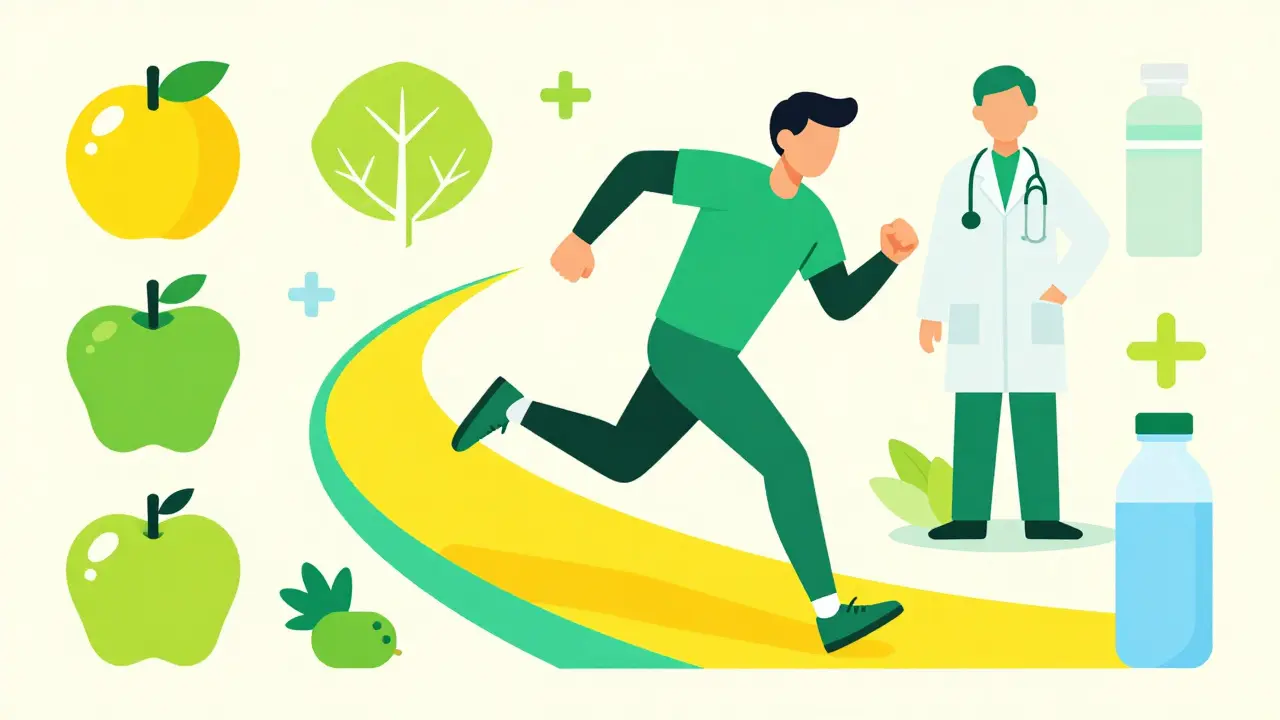
Accepting that a drug might affect your appetite doesn't mean you have to lose control. Behavioral interventions started at the beginning of treatment show a 50% reduction in unwanted weight gain compared to waiting until the weight appears. You have to play offense before the game starts.
- Pre-plan high-protein snacks: Scheduled protein intake every 3 hours stabilizes blood sugar. Aim for 15-20g of protein per snack to curb the next hunger wave.
- Hydrate before meals: Drinking water 15 minutes before eating fills stomach volume without adding calories. Studies suggest this reduces daily caloric intake by roughly 13%.
- Modify the food environment: Removing high-energy density snacks from easy reach reduces impulsive eating by over 30%. Keep vegetables pre-cut and visible instead.
- Track metrics proactively: Weigh yourself weekly. The goal isn't to obsess, but to detect trends early so you can adjust diet before gaining significant mass.
Exercise becomes non-negotiable, not just for calorie burning but for metabolic regulation. Resistance training two to three times a week builds muscle mass. Muscle tissue burns more calories at rest than fat tissue does, raising your basal metabolic rate by up to 100 calories daily. Even small increases in activity add up significantly over a year.
Navigating Medical Communication
Talking to your doctor about these side effects is essential, yet many patients hesitate. They fear being labeled non-compliant or risking their primary condition worsening. Dr. David Brendel, a psychiatrist, notes that discussing weight liabilities is standard practice. Your clinician should monitor your BMI and waist circumference every three months during treatment.
If you notice changes, do not stop the medication abruptly. Sudden discontinuation can cause serious withdrawal effects or relapse of the condition you are treating. Instead, schedule a review appointment. There are often alternatives with lower risk profiles. Newer formulations like Vortioxetine show significantly less weight gain compared to traditional SSRIs. Genetic testing is also emerging as a tool to screen for individuals predisposed to these side effects, potentially guiding medication selection earlier.
Some patients switch from weight-gain associated drugs to alternatives. For instance, switching from Mirtazapine to Bupropion has resulted in successful weight stabilization for many users without compromising mood management. Digital health tools and coaching platforms are becoming integrated into care plans, offering personalized guidance on handling these specific pharmacological challenges.
FAQ
Will appetite changes return to normal if I stop the medication?
Generally, appetite levels tend to normalize once the medication is tapered off under medical supervision. However, any weight gained may require active management through diet and exercise to shed, as biological habits can linger.
Can I take supplements to counteract medication hunger?
Supplements alone rarely solve pharmacological appetite spikes. Focus on whole foods and fiber first. Consult your provider before adding supplements like Chromium or GLP-1 agonists, as interactions are possible.
Is there a time limit for when this side effect occurs?
Most significant weight changes happen within the first six months of starting treatment. After that point, the rate of change usually slows down or plateaus, depending on adherence to lifestyle protocols.
Should I tell my GP if I feel hungrier on my antidepressant?
Yes. Transparency ensures your doctor can monitor for metabolic syndrome and consider dose adjustments or switching medications to one with a better side-effect profile.
Does age affect how medication changes appetite?
Metabolism generally slows with age, meaning older adults may experience weight gain more easily on the same dosage. Dose adjustments are often required for geriatric populations to maintain balance.
walker texaxsranger
March 26, 2026 AT 16:31big pharma ghrelin manipulation keeps us dependent on supplements ignore funded study results trust nothing
Jordan Marx
March 27, 2026 AT 00:33The mechanism involves complex receptor interactions within the brain. Specifically, the hypothalamus processes signals related to fullness. Ghrelin spikes occur rapidly upon administration of certain agents. Serotonin downregulation happens over time with extended exposure. Dopamine inhibition alters metabolic burn rates significantly. Patients often report sudden carbohydrate cravings during treatment. These cravings stem from receptor desensitization in the reward pathway. Clinical trials show significant weight variance across different classes. Behavioral modifications can mitigate unwanted gains substantially. Scheduled protein intake stabilizes blood sugar levels effectively. Resistance training builds metabolically active tissue mass quickly. Muscle mass increases basal metabolic output daily. Monitoring BMI tracks physiological trends effectively over months. Communication with clinicians remains essential for safety. Alternative formulations like Vortioxetine exist with lower risk. Genetic screening identifies predisposition patterns before starting. Early intervention prevents long-term complications from setting in. Adherence to lifestyle protocols slows down weight plateaus. Withdrawal effects mandate gradual tapering schedules always. Comprehensive management ensures long term stability for everyone.
Eva Maes
March 27, 2026 AT 15:27The corporate narrative regarding serotonin regulation is utterly laughable. They want you believing it fixes mood when really it hijacks your satiety signals completely. It is a chemical heist orchestrated by profit motives rather than patient welfare. Your hypothalamus becomes a battlefield for pharmaceutical warfare every single day. The engine room gets rewired to demand fuel constantly while you lose control. Research papers highlight the disconnect between cure and consequence repeatedly. We live in a world designed to keep the pharmacy profitable above all else. Stop blaming yourself for biological reactions engineered into the molecule itself.
Rohan Kumar
March 29, 2026 AT 04:54pharma knows we eat too much already 💊 now they make pills that make us eat MORE 🤡 classic greedy move 📉💸 they sell the problem then sell the solution #BigPharma 😂
Monique Louise Hill
March 29, 2026 AT 14:35It is simply irresponsible to take these without strict calorie counting ethics demand we monitor our intake carefully. Do not blame chemistry for lack of discipline 😠🙅♀️. People need to take ownership of their consumption habits immediately. Ignoring the food environment leads to inevitable failure and weight gain. We cannot allow laziness to dictate health outcomes anymore. Discipline trumps biology every single time without exception. Wake up and stop making excuses for poor choices today.
Sarah Klingenberg
March 29, 2026 AT 19:23Hey everyone just wanted to share my journey managing this side effect. Been tough but totally manageable with the right snacks :) I focus on drinking water before meals mostly. It helps fill me up without adding calories really. Sometimes protein bars save my life during bad weeks. Remember you are not alone in this process for sure. Take it one meal at a time friends.
Shawn Sauve
March 30, 2026 AT 06:34Really good advice here Sarah appreciate you sharing that experience 🙂. It makes sense to hydrate first thing. Glad to hear others are finding ways to cope. Keep supporting each other through this tough phase 🙂.
Aaron Olney
March 31, 2026 AT 17:43i cant believe doctors prescribe this garbage knowing what it does to ur gut u feel like a zombie eating everything in site wth did they think would happen i almost gained fifty pounds on this mess help im scared of the scale again
Sophie Hallam
April 1, 2026 AT 03:30Please understand everyone reacts differently to these compounds though it is vital to discuss concerns with your prescribing physician immediately rather than stopping cold turkey. Fear can be overwhelming but safety protocols exist for a reason. Abrupt cessation carries significant risks for relapse. Communication bridges the gap between side effects and mental stability. You deserve support navigating these physiological shifts safely.
kendra 0712
April 2, 2026 AT 17:13YES! You can beat this!!! Stay strong!!! Hydrate!!!! Protein!!! Focus on the good parts!!! Dont give up!!!! Health wins!!! 💪✨
Philip Wynkoop
April 4, 2026 AT 06:20good points glad to see people talking about this :) stay safe