SSLR Symptom & Timing Checker
When did symptoms start after the first dose?
Select all that apply:
Analysis
This guide breaks down what SSLR actually is, how it differs from true serum sickness, and why the distinction matters for your long-term health.
Key Takeaways for Parents and Patients
- Timing is everything: SSLR typically appears 7 to 10 days after starting an antibiotic, not immediately.
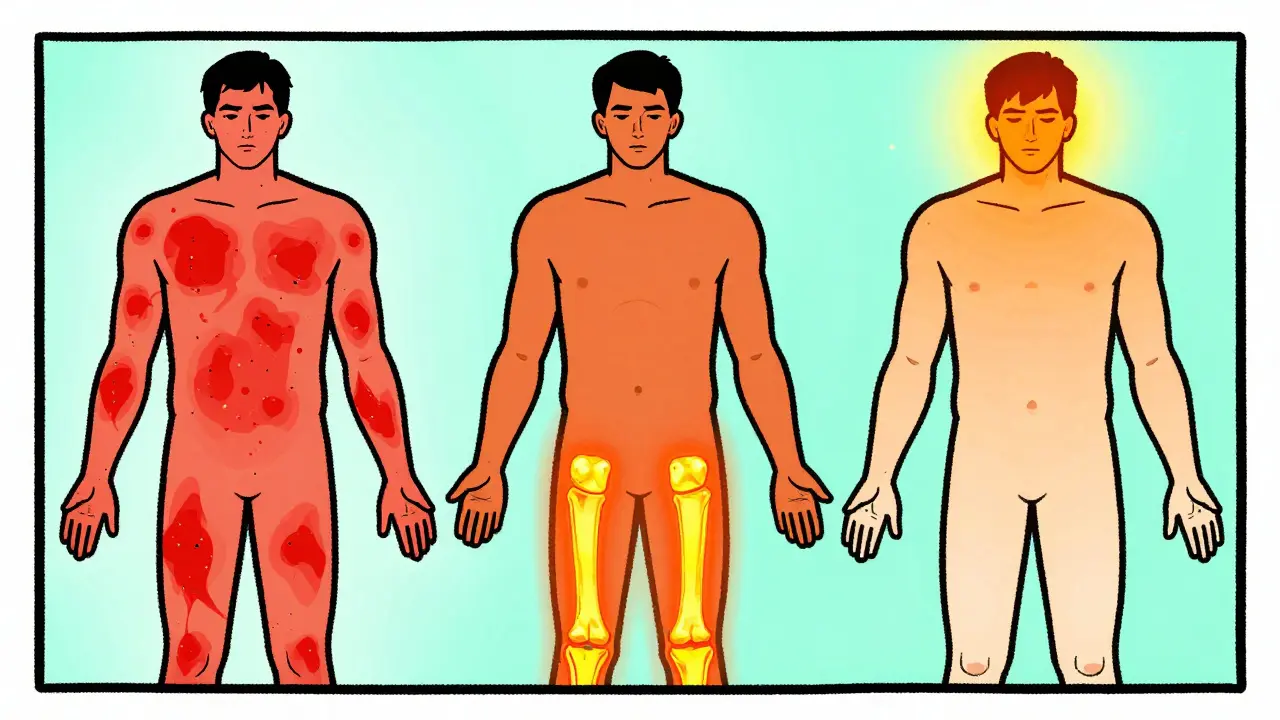
- The "Triad": It usually presents as a combination of fever, itchy rash (hives), and joint pain.
- Not a lifelong allergy: Unlike true allergies, SSLR doesn't usually mean you have to avoid an entire class of antibiotics forever.
- Pediatric focus: About 78% of cases occur in children between 6 months and 6 years old.
What Exactly is Serum Sickness-Like Reaction?
To understand SSLR, we have to look at its "older sibling," true serum sickness. Back in 1906, doctors noticed people reacting poorly to horse-derived anti-rabies serums. That was a Type III hypersensitivity reaction where the body creates immune complexes that clog up kidneys and blood vessels. SSLR is different. It was formally identified in 1987 by researchers at the University of Minnesota who realized that some kids were having similar reactions to antibiotics, specifically Cefaclor is a second-generation cephalosporin antibiotic frequently linked to SSLR cases, accounting for up to 80% of pediatric occurrences.
Unlike the classical version, SSLR doesn't involve those dangerous circulating immune complexes. You won't find evidence of vasculitis (blood vessel inflammation) or kidney failure in these patients. Instead, it's a delayed response that typically hits its peak around day 7 post-exposure, though it can show up anywhere from 1 to 21 days after the first dose. It's more of a "glitch" in the immune system's response to the drug or its metabolites rather than a full-blown allergic catastrophe.
Spotting the Symptoms: The Classic Triad
If you're trying to figure out if a reaction is SSLR, look for these three primary markers. While not every patient has all three, the overlap is very high:
- The Rash (95% of cases): This isn't a typical steady rash. It's usually urticarial (hives) and migratory. This means a patch of itchy hives might appear on the arm, disappear after an hour, and then pop up on the leg.
- Fever (85% of cases): Patients usually run a temperature between 38-39°C. It's often the first sign that something is wrong before the rash appears.
- Joint Pain (72% of cases): This is called arthralgia. It usually affects symmetric joints-meaning if the left wrist hurts, the right one probably does too. Knees and ankles are the most common targets in children.
You might also notice general malaise, swollen lymph nodes (lymphadenopathy), or muscle aches. However, a critical diagnostic clue is what is not there: there is no protein in the urine and no evidence of organ damage, which would be present in true serum sickness.
| Feature | Serum Sickness-Like Reaction (SSLR) | True Serum Sickness |
|---|---|---|
| Primary Trigger | Antibiotics (e.g., Cefaclor, Amoxicillin) | Antivenoms, Monoclonal Antibodies |
| Immune Complexes | Absent | Present (Type III Hypersensitivity) |
| Kidney Involvement | None (Normal urinalysis) | Common (Proteinuria/Glomerulonephritis) |
| Typical Patient | Children (under 10 years) | Adults more common |
| Recovery Time | Fast (Median 5 days) | Slower (Median 14 days) |
The Danger of Misdiagnosis
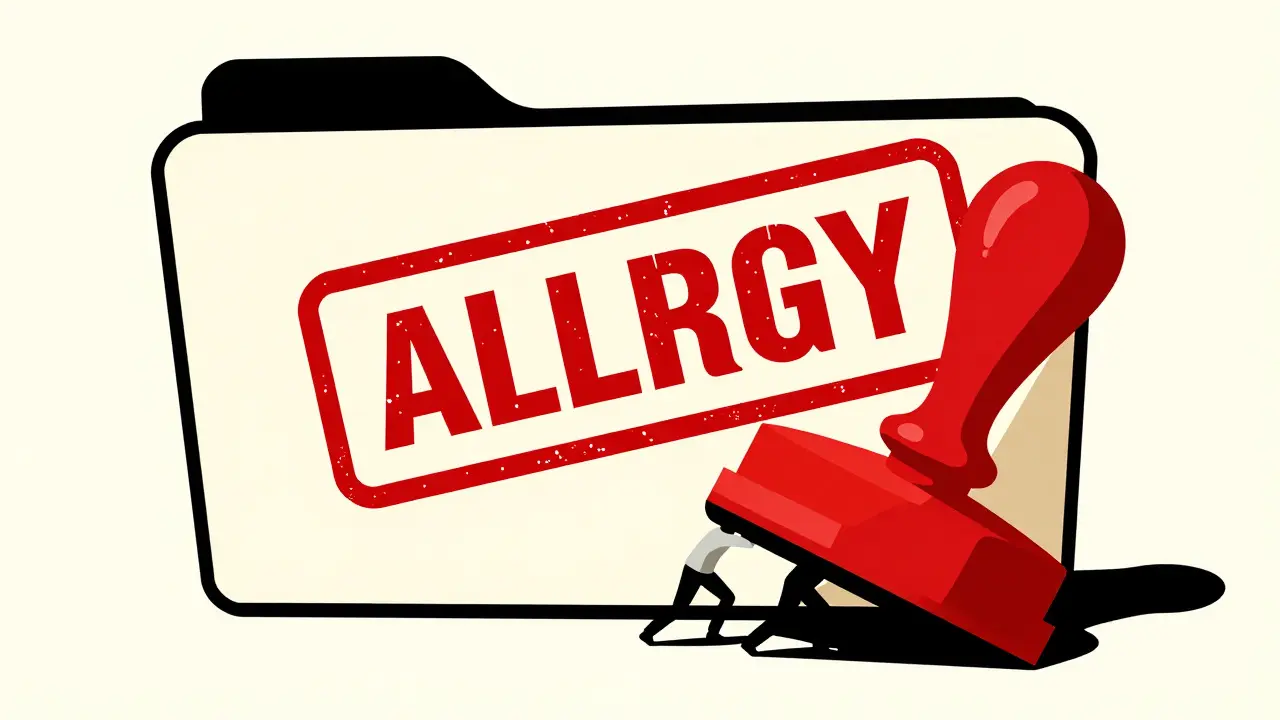
The biggest problem with SSLR isn't the reaction itself-which usually clears up quickly-but the paperwork that follows. In many ERs, if a child has hives after an antibiotic, the doctor simply writes "Penicillin Allergy" in the electronic health record. This is a massive oversimplification.
When a patient is incorrectly labeled as having a beta-lactam allergy, they are often denied the most effective first-line antibiotics for future infections. This leads to the use of "big gun" drugs like Vancomycin, which are often more expensive, require intravenous administration, or have more side effects. Data shows that about 42% of SSLR patients suffer from this unnecessary antibiotic avoidance. In reality, 89% of people who have had SSLR can actually tolerate other antibiotics in the same class; they just need to avoid the specific drug that triggered the reaction.
How to Manage and Recover
The first and most important step is to stop the offending antibiotic immediately. Once the drug is out of the system, the reaction usually resolves on its own within 3 to 7 days. However, the symptoms can be miserable, so supportive care is key:
- For the Itch: Second-generation antihistamines (like cetirizine) are the gold standard. They stop the hives without making the child overly drowsy.
- For the Joints: NSAIDs like ibuprofen are used to bring down the fever and reduce joint swelling.
- For Severe Cases: If the swelling is so bad that the child can't walk or eat, doctors may prescribe a short course of oral corticosteroids (prednisone), though this is rare.
If you've been labeled as "allergic" following an SSLR episode, don't just take it as a lifelong fact. A supervised oral challenge conducted by an allergist 6 to 36 months after the event can often prove that you can safely use other antibiotics. In fact, 92% of patients successfully tolerate non-cefaclor antibiotics during these challenges.
The Science: Why Does This Happen?
Scientists are still debating the exact "why," but there are two leading theories. Some believe it's a T-cell mediated response, meaning the immune system's cellular arm is attacking. Others point toward genetics. Recent research into the CYP2C9 is a gene that encodes a key enzyme in the liver responsible for metabolizing many drugs suggests that people with a specific polymorphism (CYP2C9*3) might not break down cefaclor properly. This causes the drug's metabolites to build up in the system, eventually triggering the hypersensitivity response.
Is SSLR the same as anaphylaxis?
No. Anaphylaxis is an immediate, life-threatening reaction that happens within minutes or hours and involves respiratory distress or a drop in blood pressure. SSLR is a delayed reaction that happens days later and generally does not affect breathing or blood pressure, though rare cases of angioedema (deep swelling) can occur and should be monitored.
Do I have to avoid all cephalosporins if I had SSLR?
Not necessarily. While you should avoid the specific drug that caused the reaction (like cefaclor), many people with SSLR can safely use other drugs in the cephalosporin or penicillin families. You should consult an allergist for a formal rechallenge to determine exactly which drugs are safe for you.
How long does a typical SSLR episode last?
Most cases resolve within 3 to 7 days after stopping the medication. However, a small percentage of people (about 8%) may experience intermittent rashes or joint pain for up to three months.
Can SSLR be mistaken for a viral infection?
Yes, very frequently. Because it presents with fever and rash, it is often misdiagnosed as a viral exanthem or a common cold. The key differentiator is the timing-occurring 1-2 weeks after starting a specific antibiotic.
What are the best tests to confirm SSLR?
Diagnosis is primarily clinical, based on the history of drug exposure and the presence of the triad (fever, rash, joint pain). Doctors may run a urinalysis to ensure there is no protein (ruling out true serum sickness) and check complement levels (C3/C4), which remain normal in SSLR patients.
Next Steps and Troubleshooting
If you suspect your child is experiencing an SSLR, your first move should be to contact your pediatrician and inform them of the exact antibiotic dosage and timing. If you've already been labeled with a permanent allergy, consider the following paths:
- The "Audit" Path: Review your medical records. If you were diagnosed with a "penicillin allergy" during a childhood episode of fever and joint pain, it might have actually been SSLR.
- The Specialist Path: Request a referral to a pediatric allergist. Ask specifically about a supervised oral challenge to test your tolerance for beta-lactams.
- The Monitoring Path: If you are currently taking a new antibiotic, keep a simple log of any new rashes or joint aches for the first 14 days of treatment.