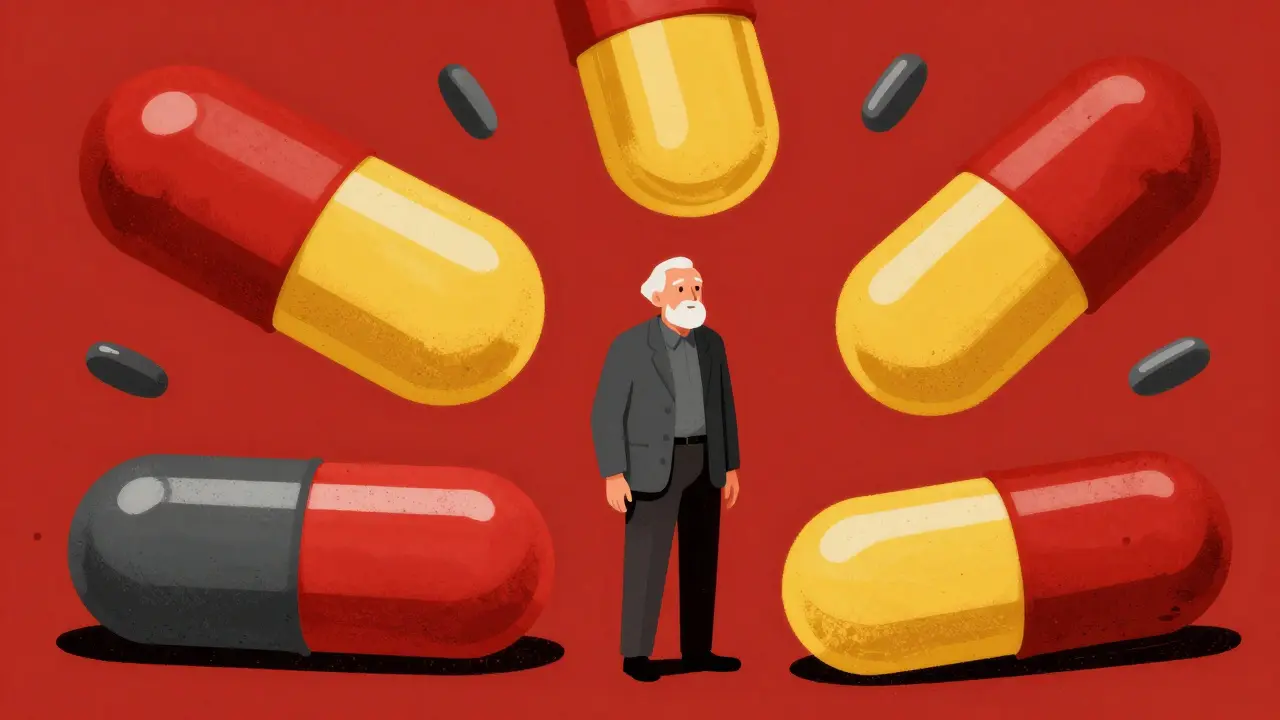
Imagine a 75-year-old man taking six different pills a day for blood pressure, sleep, and anxiety. He starts stumbling, gets confused, and eventually ends up in the hospital after a bad fall. In many cases, the culprit isn't a new disease, but the medications themselves. As we age, our bodies change how they process drugs, turning a "standard dose" into something potentially toxic. This is where the Beers Criteria is an evidence-based set of guidelines used by healthcare providers to identify medications that generally pose a higher risk of harm than benefit for adults aged 65 and older . It acts as a vital safety net, helping doctors spot "red flag" drugs that could lead to falls, delirium, or organ failure in seniors.
The goal isn't to blindly ban every drug on the list, but to trigger a critical conversation: "Do we really need this, and is there a safer way?" For anyone managing care for an aging parent or navigating their own health, understanding these guidelines is the first step toward reducing the dangers of polypharmacy.
Key Takeaways for Medication Safety
- The Beers Criteria identify Potentially Inappropriate Medications (PIMs) for adults 65+.
- It focuses on drugs that increase the risk of adverse drug events (ADEs), like falls or mental confusion.
- Guidelines are updated regularly (most recently in 2023) by the American Geriatrics Society.
- It is a "warning light," not a strict law; doctors must balance the list against a patient's specific needs.
- Reducing inappropriate meds can lead to fewer hospitalizations and better functional independence.
Why Older Adults React Differently to Drugs
You can't treat a 70-year-old the same as a 30-year-old because the biological machinery changes. The American Geriatrics Society (AGS) emphasizes that aging alters pharmacokinetics-essentially how the body absorbs, distributes, and clears medication. For instance, kidney function often declines with age, meaning drugs that are normally flushed out quickly stay in the system longer, potentially reaching toxic levels.
There is also the issue of polypharmacy , where a patient takes multiple medications concurrently. When you mix five different drugs, the chance of a drug-drug interaction skyrockets. A medication that is perfectly safe for a condition like insomnia might cause severe confusion or a hip fracture in an older adult due to these physiological shifts.
Breaking Down the Beers Criteria Categories
The criteria aren't just one long list. They are organized by the type of risk involved, which helps clinicians decide how to adjust a treatment plan. The 2023 update includes 131 specific criteria to guide these decisions.
First, there are medications to avoid regardless of the condition. These are drugs where the risk is almost always too high for an older adult. A classic example includes certain first-generation antihistamines that can cause intense drowsiness and confusion.
Second, the guidelines list medications to avoid in patients with specific diseases. For example, some drugs might be fine for most seniors but are dangerous for someone with dementia or heart failure because they could make those specific conditions worse.
Third, there are medications to use with caution. These aren't "forbidden," but they require a higher level of monitoring. If a doctor prescribes these, they should be checking the patient's vitals or blood work more frequently.
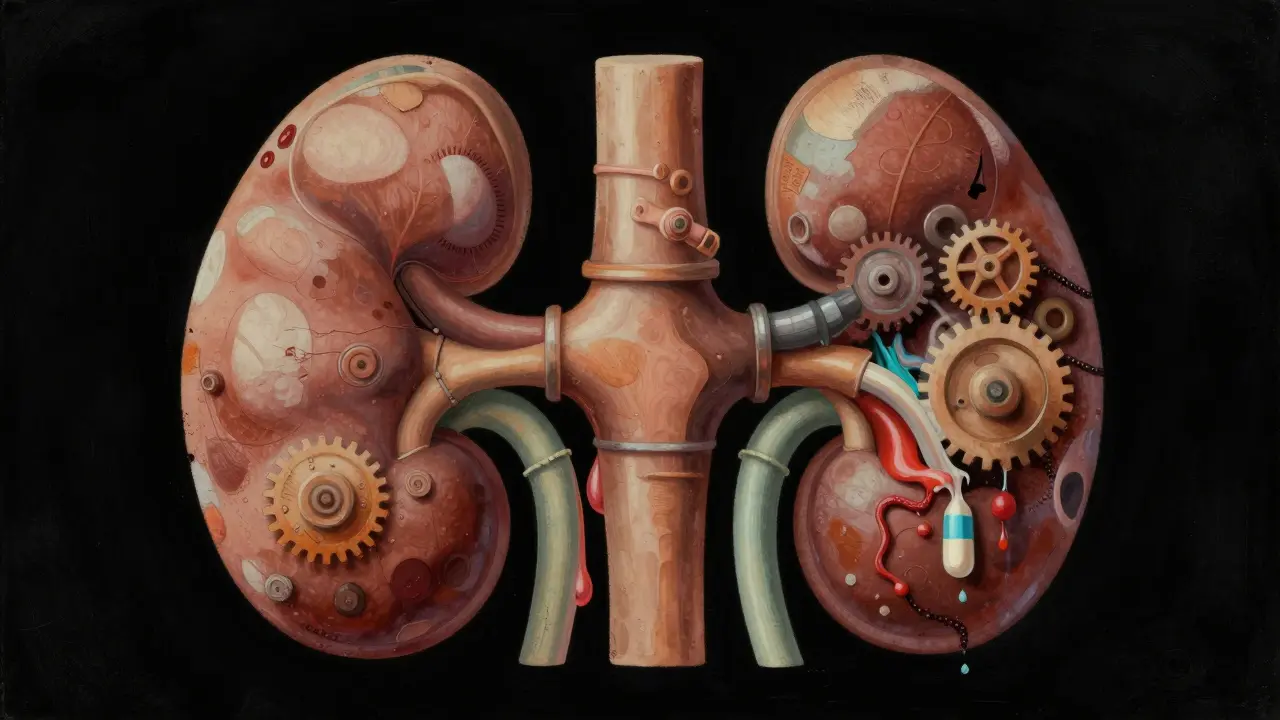
Finally, the criteria address renal impairment and drug-drug interactions. Since the kidneys are the primary filtration system, medications that are hard on the kidneys-or processed primarily by them-need strict dosing adjustments to avoid overdose.
| Feature | Beers Criteria | STOPP-START |
|---|---|---|
| Primary Focus | Potentially Inappropriate Medications (PIMs) | Both PIMs and omitted necessary meds |
| Core Objective | Reduce harm/risk of ADEs | Optimize overall medication regimen |
| Usage Context | Widely used as a quality metric (CMS/HEDIS) | Commonly used in clinical reviews/audits |
| Approach | Evidence-based "Avoid" lists | Screening tool for additions and removals |
The Danger of "Prescribing Cascades"
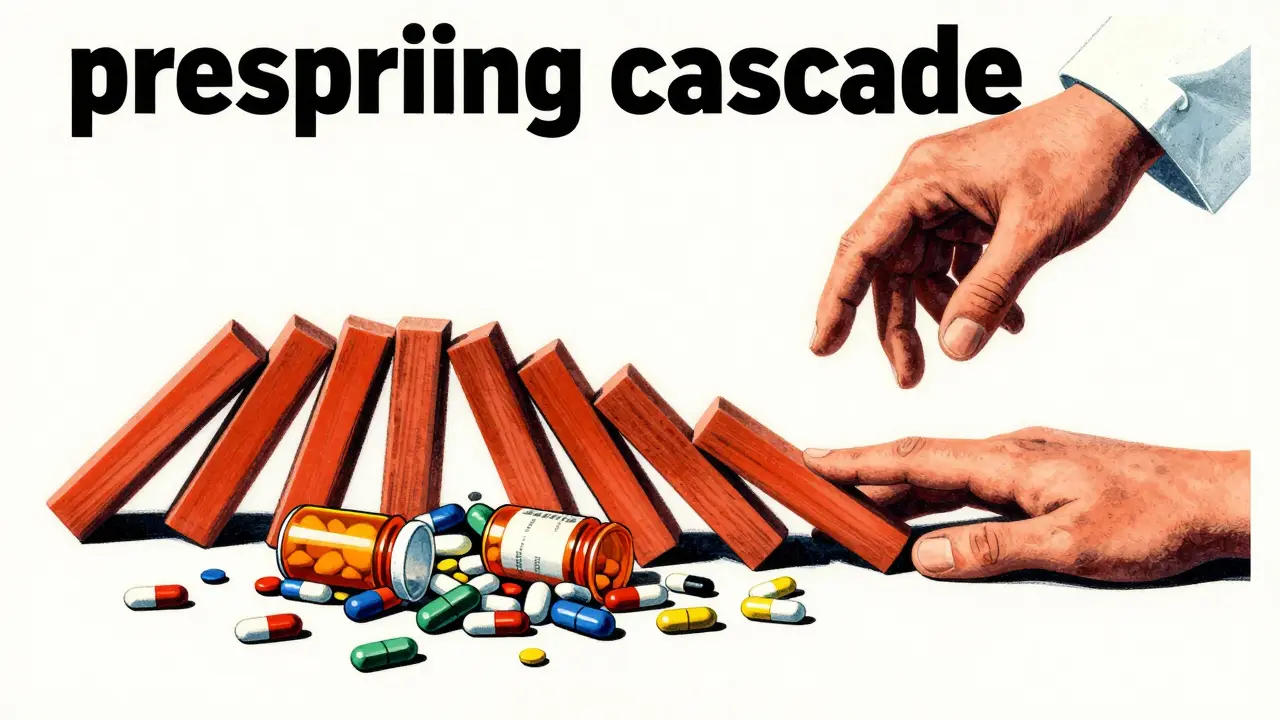
One of the biggest risks in geriatric care is the prescribing cascade. This happens when a side effect of one medication is mistaken for a new medical condition, leading the doctor to prescribe a second medication to treat that side effect.
For example, an older adult takes a drug that causes swelling in the ankles. Instead of recognizing the drug as the cause, a provider might diagnose "heart failure" and prescribe a diuretic. Now the patient is taking two drugs, increasing the risk of dehydration and kidney strain. The Beers Criteria help stop this cycle by alerting the provider that the first drug is likely the cause of the symptom, not a new disease.
Real-World Application: When to Question a Prescription
If you are reviewing a medication list, look for these common "red flag" categories mentioned in the updated guidelines:
- Sedatives and Hypnotics: Benzodiazepines (like diazepam) are often flagged because they significantly increase the risk of falls and cognitive impairment.
- Antipsychotics: These are used with extreme caution, especially in dementia patients, due to an increased risk of stroke and mortality.
- Certain Diabetes Meds: Some older medications can cause severe hypoglycemia (dangerously low blood sugar) in seniors.
- Over-the-Counter (OTC) Drugs: Many people forget that "natural" or OTC pills, like certain sleep aids, are often on the Beers list.
It is important to remember that the American Geriatrics Society explicitly states that these criteria should not be used punitively. They are a tool for shared decision-making. If a medication is the only thing providing quality of life for a patient in palliative care, the benefit may outweigh the risk-even if the drug is on the list.
How to Conduct a Medication Review
Doing a "medication cleanup" shouldn't happen overnight. Stopping a long-term drug abruptly can cause withdrawal or a rebound of symptoms. Here is a safer way to approach the process:
- Create a Master List: Include every prescription, OTC vitamin, and herbal supplement. Note the dose and why it was prescribed.
- Cross-Reference: Use a tool like the AGS pocket reference or a healthcare provider to check which drugs fall under the Beers Criteria.
- Prioritize by Risk: Identify which drugs have the most dangerous side effects (e.g., those increasing fall risk).
- Schedule a "Deprescribing" Visit: Meet with a doctor specifically to discuss tapering off unnecessary meds. This is called deprescribing.
- Monitor the Transition: Track mood, balance, and sleep during the tapering phase to ensure the patient is adjusting well.
Are the Beers Criteria absolute rules?
No. They are clinical guidelines, not laws. A doctor may decide that a "potentially inappropriate" medication is necessary for a specific patient if the benefits outweigh the risks. Every patient's health history and goals are different.
Who maintains and updates the list?
The American Geriatrics Society (AGS) manages the criteria. They use a multidisciplinary expert panel and a rigorous review of thousands of scientific articles to update the list every few years.
What is a "Potentially Inappropriate Medication" (PIM)?
A PIM is a drug that, based on clinical evidence, is more likely to cause harm than benefit in an older adult. This includes drugs that cause severe side effects, interact poorly with other meds, or are no longer effective for the aging body.
Can I use this list to stop my own medications?
Never stop or change your medication dosage without consulting your doctor. Sudden cessation of certain drugs (like benzodiazepines or beta-blockers) can be dangerous. Use the list as a talking point for your next appointment.
Why are benzodiazepines often flagged in the criteria?
Benzodiazepines increase the risk of sedation, cognitive impairment, and falls. In older adults, these effects are amplified, significantly increasing the chance of hip fractures and head injuries.
Next Steps for Caregivers and Patients
If you've discovered that a loved one is taking a medication flagged by the Beers Criteria, don't panic. The best path forward is a collaborative approach. Start by documenting any symptoms-like dizziness or confusion-that have appeared since the medication was started. Bring this log to the doctor.
For those in nursing home settings, be aware that regulators often use these criteria to assess facility quality. You can ask the facility's pharmacist for a "medication review" to ensure the resident isn't being over-medicated, especially with antipsychotics or sedatives, which are common areas of concern in long-term care.