Drug Interactions: What You Need to Know Before Taking Multiple Medications
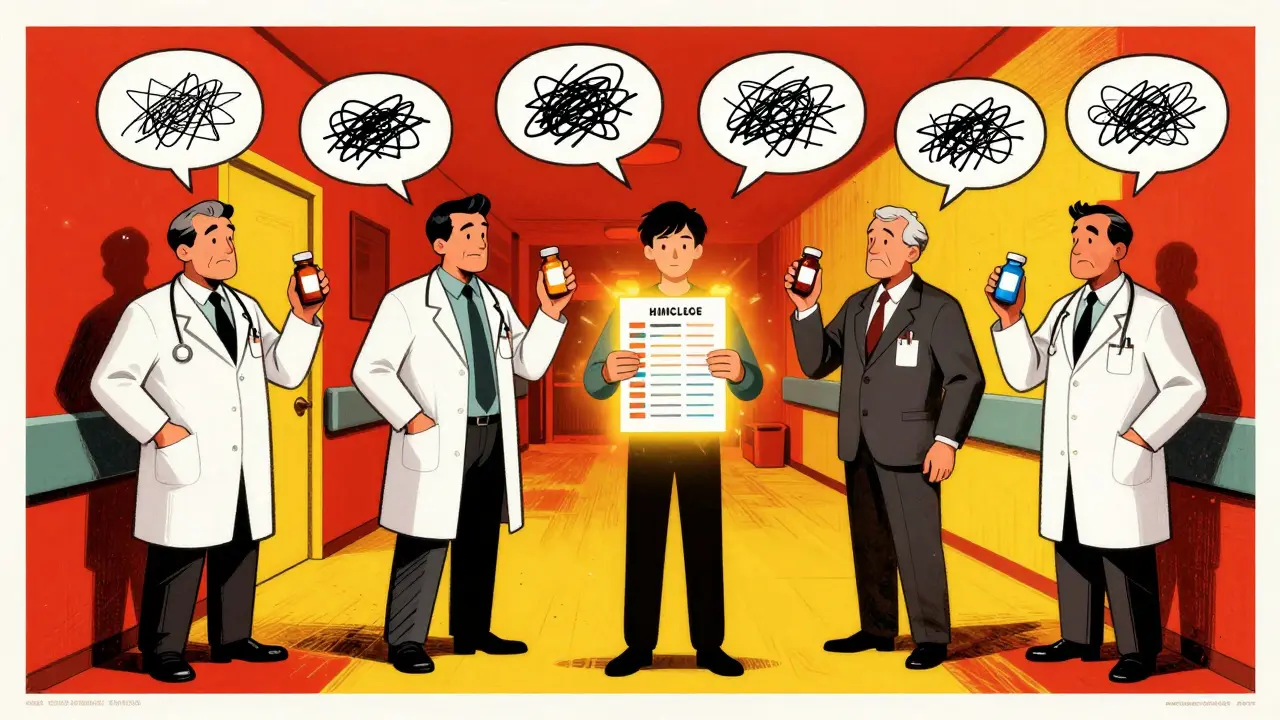
When you take more than one medication, you’re playing a high-stakes game of chemical chess. Drug interactions, harmful or unexpected effects that happen when two or more drugs react inside your body. Also known as medication interactions, they’re not rare—they’re one of the top reasons people end up in the ER. This isn’t just about mixing pills. It’s about how your statin affects your sleep, how a generic blood pressure drug might trigger rejection after a transplant, or why flushing old meds pollutes your water supply. These aren’t edge cases. They’re everyday risks.
Polypharmacy, the use of multiple medications at once, often for chronic conditions is growing fast. Half of adults over 65 take five or more drugs. That’s not just a number—it’s a ticking clock. Each new pill adds another chance for something to go wrong. And it’s not always obvious. Some interactions show up as fatigue, dizziness, or weird dreams—things you might blame on aging or stress. But they could be your simvastatin clashing with a common antacid, or your immunosuppressant reacting to a new generic version. Even generic substitution, switching from brand-name to cheaper versions of the same drug can be dangerous for drugs with a narrow therapeutic index, like antiseizure meds or cyclosporine. A tiny change in absorption can mean the difference between control and crisis.
You don’t need to guess. Reliable drug databases, official, free, ad-free sources of verified medication data like DailyMed and DrugBank exist for a reason. They’re not for doctors only. You can use them to check if your blood pressure pill plays nice with your cholesterol med. You can see if that new OTC sleep aid might mess with your antidepressant. You can even find out if your magnesium supplement could affect your lungs. These aren’t theoretical risks. Real people have lost organs, had seizures, or suffered heart attacks because no one checked.
There’s no magic shield against drug interactions. But you can build your own defense: know your meds, ask questions, track what you take, and use tools that cut through the noise. The posts below give you exactly that—no fluff, no marketing. Just straight answers on how statins mess with sleep, why switching generics can be risky, how to avoid deadly dosing errors in kids, and where to find the truth about your meds. This isn’t about scaring you. It’s about giving you the power to stay safe while taking what you need.