
Medication Retention Risk Calculator
Patient Health Profile
Clicking calculates your theoretical risk profile.
Calculating...
Please run the assessment.
Recommended Action Plan
The Silent Emergency
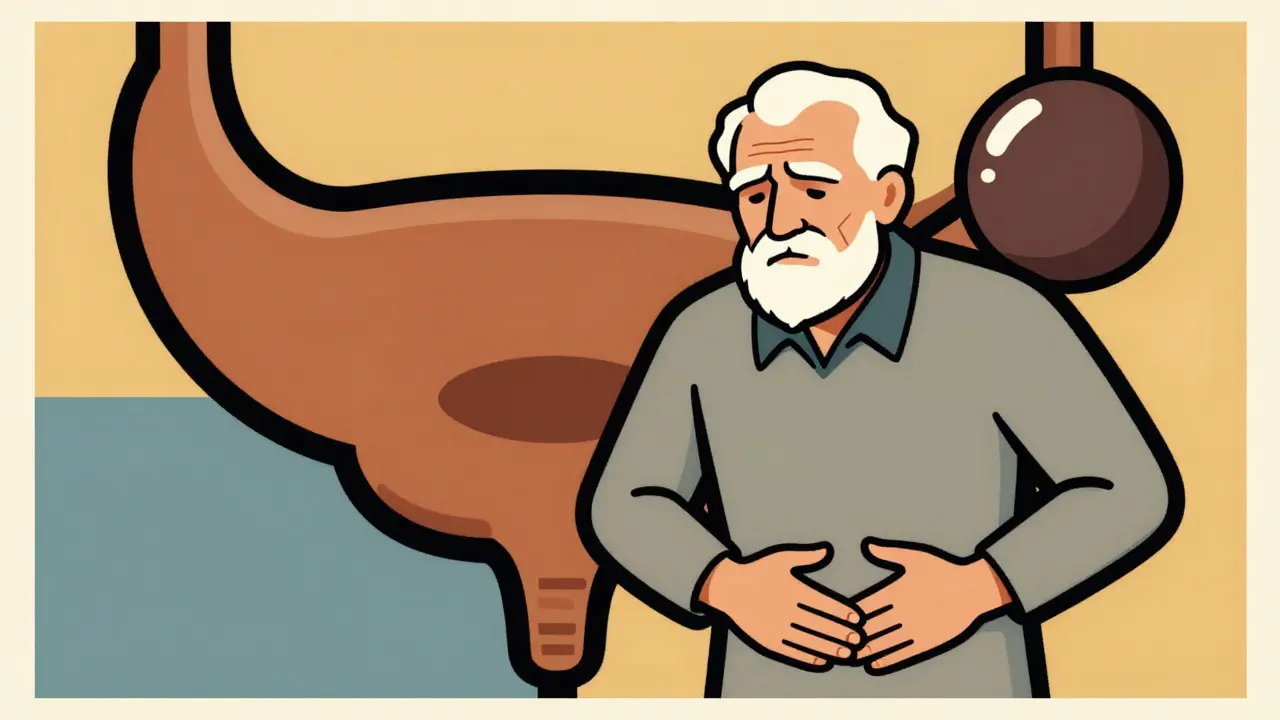
Imagine waking up needing to urinate but finding nothing comes out despite straining. For many men with prostate issues, this isn't just discomfort; it is Urinary Retention, a condition where the bladder cannot empty completely or at all. While often caused by natural aging, a surprisingly common culprit is prescription medication meant to help other problems.
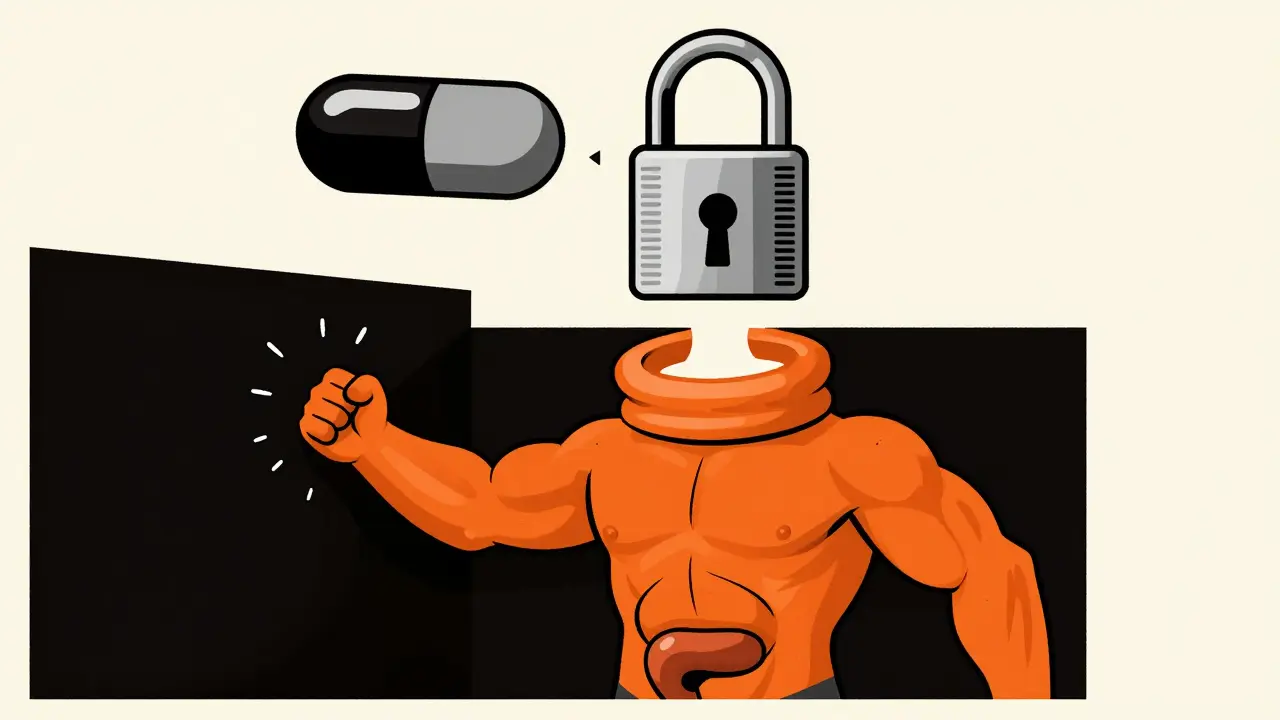
This interaction centers on Anticholinergics, a class of drugs that blocks acetylcholine to reduce bladder spasms. Doctors frequently prescribe these for overactive bladder syndrome to stop frequent leaks. However, in men with an enlarged prostate, this same mechanism can lock the bladder shut. Recent data shows nearly 10% of acute retention cases link directly to medication use. It is a classic case of solving one symptom by creating a dangerous blockage elsewhere.
How These Drugs Affect Bladder Flow
To understand the risk, you need to know how the voiding pathway works. When you need to urinate, your brain signals the Detrusor Muscle, the smooth muscle in the bladder wall responsible for contraction to squeeze. Simultaneously, the urethral sphincter relaxes to let urine pass. Anticholinergic agents block the chemical message that tells that muscle to squeeze.
In a healthy young bladder, this mild reduction in squeezing power goes unnoticed because there is no obstruction. In a man with Benign Prostatic Hyperplasia, non-cancerous enlargement of the prostate gland (BPH), the prostate presses against the urethra, narrowing the exit tunnel. To push urine through this narrow space, the bladder muscle must work harder than usual. When you introduce a drug like oxybutynin (Oxytrol) or solifenacin (Vesicare), you weaken that already strained engine. The result is a double hit: increased resistance from the prostate and decreased power from the bladder.
Studies cited in urology journals highlight that men taking these medications while suffering from significant prostate enlargement face a 2.3-fold higher risk of acute retention compared to those who are not. The mechanism is purely mechanical: the muscle literally lacks the force to open the valve against the obstruction. This is why guidelines explicitly warn against using these drugs when bladder outflow is compromised.
Identifying Your Personal Risk Zone
Not every man taking an anticholinergic will end up with retention, but certain factors stack the odds heavily against you. Recognizing these risk factors before starting treatment can prevent an emergency room visit.
- Age: Risk increases significantly after 65 as prostate growth naturally accelerates and bladder elasticity decreases.
- Symptom Score: Men with an AUA Symptom Index score greater than 20 indicating severe lower urinary tract symptoms are in the danger zone.
- Catheter History: If you have ever needed catheterization due to retention, reintroducing these drugs often leads to recurrence.
- Volume Measurement: Having a prostate volume exceeding 30 grams puts you at the threshold where obstruction becomes clinically significant.
Awareness starts with knowing which pills carry the risk. Common names include tolterodine (Detrol), trospium (Sanctura), and fesoterodine (Toviaz). Even low doses can trigger retention in sensitive individuals because these drugs affect receptors throughout the body, not just the bladder.
Safer Alternatives for Combined Conditions
If you suffer from both an overactive bladder and an enlarged prostate, stopping anticholinergics entirely might seem necessary, but leaving urgency untreated affects quality of life. Fortunately, modern urology offers safer pathways that target urgency without crushing bladder power.
| Drug Class | Mechanism | Risk Profile | Common Examples |
|---|---|---|---|
| Anticholinergics | Blocks muscle squeeze | High Retention Risk | Oxybutynin, Tolterodine |
| Beta-3 Agonists | Relaxes bladder storage phase | Low Retention Risk | Mirabegron, Vibegron |
| Alpha-Blockers | Relaxes prostate muscles | Lowers Obstruction Risk | Tamsulosin, Alfuzosin |
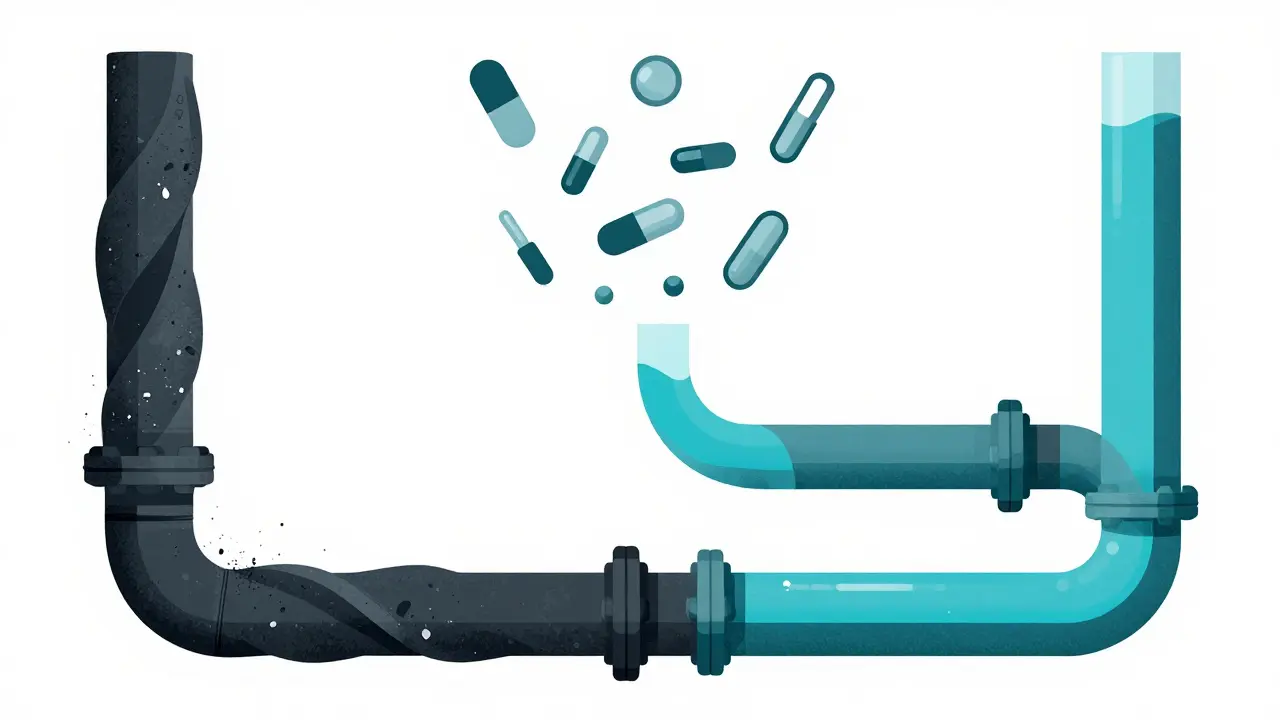
Beta-3 adrenergic agonists, such as mirabegron (Myrbetriq) or the newer vibegron (Gemtesa), represent the safest evolution. Unlike anticholinergics, they increase bladder capacity by relaxing the muscle differently-think of it as stretching a balloon rather than preventing the squeeze. Clinical trials show a mere 4% retention rate in men with mild BPH using mirabegron, compared to 18% with older anticholinergics.
For men prioritizing prostate relief, Alpha-Blockers, medications that relax smooth muscle in the prostate and bladder neck like tamsulosin (Flomax) offer dual benefits. They relax the outlet so urine flows easier, reducing pressure without killing the detrusor muscle contractility. Combining an alpha-blocker with a beta-3 agonist is increasingly the standard care model for complex patients.
Warning Signs You Cannot Ignore
Retention does not always happen instantly. Sometimes it sneaks up over weeks, slowly worsening until an acute crisis occurs. Knowing the early warning signs allows you to stop the medication before a full emergency strikes.
Watch for Nocturia, waking up multiple times at night to urinate that suddenly becomes more difficult. If you feel a strong urge but the stream is weak or stops mid-flow, that is a red flag. Constipation is another systemic clue; these drugs slow down gut movement alongside bladder movement, often preceding urinary issues.
Specifically, check your residual urine. Urologists recommend a post-void residual test before starting treatment. If you consistently have more than 100 ml left after peeing, your bladder is already struggling to empty. Adding a blocking drug to a tired system is unsafe. Regular monitoring via uroflowmetry helps track peak flow rates. Values below 10 mL/s indicate severe obstruction where anticholinergics should likely be avoided entirely.
Managing Acute Incidents
If retention occurs, waiting is dangerous. The bladder stretches beyond its limit, causing damage to the muscle fibers that may not recover fully. Immediate decompression via catheterization is the standard of care. A review in the American Family Physician recommends rapid, complete emptying rather than gradual drainage to minimize bacterial complications.
Recovery usually involves keeping the catheter in place until the bladder regains function. Success depends on removing the offending agent. Studies show men treated with alpha-blockers during the catheterization period have significantly better success rates in passing urine again later (around 30-50% improvement). However, once the bladder heals, re-introducing the drug that caused the event risks immediate recurrence. Long-term management requires switching to non-retentive therapies.
Can I still take anticholinergics if I have an enlarged prostate?
It is generally not recommended. The American Urological Association advises avoiding them in men with significant obstruction scores (>20) or large prostates (>30g). Safer options like beta-3 agonists are preferred for urgent urinary frequency in this group.
What are the earliest symptoms of urinary retention?
Early signs include a weak stream, hesitancy before urination begins, and feeling like the bladder didn't fully empty (residual volume). Lower back pain or pelvic pressure can also occur if the bladder is holding excessive volume.
Is Detrol safe for older men?
Detrol (tolterodine) is an anticholinergic often flagged in the Beers Criteria as potentially inappropriate for older adults with prostate issues. It carries risks of constipation, confusion, and retention. It is safer to consult a urologist for alternative treatments like Mirabegron.
How long does recovery take after retention?
Bladder muscle function often returns within days to weeks after catheter removal and stopping the blocking drug. However, prolonged retention can lead to permanent overflow incontinence or kidney damage if ignored too long.
Are there natural ways to manage BPH symptoms?
Lifestyle changes like timed voiding, reducing fluid intake before bed, and limiting caffeine/alcohol can help manage symptoms. Supplements like Saw Palmetto are popular but evidence remains mixed compared to prescription alpha-blockers.





Monique Louise Hill
March 27, 2026 AT 20:29This is absolutely terrifying 😱 Doctors really need to stop treating symptoms in a vacuum like this. It feels like they just want to push pills instead of actually caring about the patient outcomes. If my dad is on anticholinergics I am personally going to demand a full urology workup before he takes another dose 🚫👨⚕️. It is irresponsible medicine when we know the prostate enlargement risk is so high. Nobody deserves to wake up unable to pee because their GP didn't bother reading the contraindications properly. We need stricter guidelines enforced immediately or people are going to suffer unnecessarily! 💊🛑
Poppy Jackson
March 28, 2026 AT 13:57This hits home hard because seeing loved ones struggle in silence is painful indeed. Imagine the panic of waking up and being unable to go it sounds awful. The fact that doctors might not catch this early enough breaks my heart completely. Please listen to your bodies and speak up if something feels off during treatment changes. We are all in this together and knowledge really is power when facing health scares. Dont let embarrassment stop you from asking about safer medication alternatives like beta three agonists. Your health journey matters and you deserve care that respects your physiology fully ❤️
gina macabuhay
March 29, 2026 AT 00:31It is genuinely astounding that medical professionals continue prescribing these agents without thorough screening protocols in place. One would assume basic safety checks are mandatory given the prevalence of benign prostatic hyperplasia in aging males. Instead we see a culture of reactive care where patients endure acute retention as collateral damage. The pharmaceutical industry clearly profits from these failures while patients bear the physical burden alone. Accountability remains elusive despite decades of published literature highlighting these exact risks repeatedly.
Sarah Klingenberg
March 29, 2026 AT 11:29I honestly did not realize that bladder medication could cause retention so easily until I read this breakdown. It is scary how something meant to help ends up causing a blockage for men specifically. My uncle had issues like this and we never connected the dots back to his bladder meds. Reading about the Beta-3 agonists gives me hope that there are better options available now. It seems like Mirabegron works differently than the old school drugs mentioned earlier. You do not want to damage the muscle fibers inside the bladder permanently from overstretching. Early warning signs like weak streams are things people often ignore until it is too late. I wish more GPs would explain the residual volume testing clearly before prescribing anything. Constant monitoring really helps prevent the sudden crisis mentioned in the text here. Safety should always come before just stopping leaks quickly for quality of life sake. We need to advocate for ourselves more during doctor visits regarding these specific risks. Thank you for putting together such a detailed guide on this medical topic today. It really helps clarify the mechanical issue involved with the prostate obstruction. Hope everyone stays safe and checks their medications carefully against side effects. Staying informed protects us from unnecessary complications down the road.
Austin Oguche
March 29, 2026 AT 20:52Very important information for anyone managing chronic conditions with older family members
Eva Maes
March 30, 2026 AT 13:05Finally someone articulates the pharmacological nuance rather than spewing generic wellness buzzwords. Most laypeople dismiss the detrusor muscle contraction failure as merely dehydration when it is clearly neurological suppression. The distinction between alpha-blockers and anticholinergics is fundamental yet consistently ignored in primary care settings. It is frustrating to watch patients endure catheterization because their provider prioritized convenience over physiology. One would think basic urological principles were taught in medical school but apparently not everywhere. The data regarding retention rates is irrefutable and demands immediate attention from prescribers globally. Ignoring the mechanical obstruction factor is tantamount to negligence in my professional opinion. We must demand evidence-based alternatives instead of blindly following outdated protocols.
Monique Ball
April 1, 2026 AT 09:42Yes!!! Exactly right!!!! I cannot stress enough how vital it is to communicate with your healthcare team regularly!! It is so important to track your symptoms daily so you can spot trends early on!! Many people forget that urinary symptoms are complex and multifactorial in nature!! You must ask about residual volume tests before starting any new med!! Do not be afraid to request a second opinion if your doctor hesitates on changing meds!!! There is so much fear surrounding medical adjustments but safety is paramount here!! Remember that alpha-blockers like Flomax can relax the outlet significantly!! Combining therapies is often the golden standard for complicated cases like BPH!! Always keep hydration in check but monitor intake timing before bed!! Sleep disruption is a huge marker for worsening obstruction issues!! Stay proactive and document everything in a journal for your next appointment!!! Knowledge truly empowers us to make better choices for our families!! Keeping your doctor updated helps avoid dangerous surprises later!!! Everyone deserves the best possible care without hidden risks!!! ❤️💊🩺📋
Shawn Sauve
April 2, 2026 AT 04:20I appreciate the frustration expressed here but we should remain hopeful that awareness improves practices. There are many dedicated clinicians working diligently to implement safer prescribing habits now. Discussing these concerns respectfully allows us to build constructive dialogue for change. It is good we are sharing resources to educate others on potential red flags. :) Let us support one another through these health challenges patiently. Every small bit of information shared helps someone avoid a difficult emergency later.