
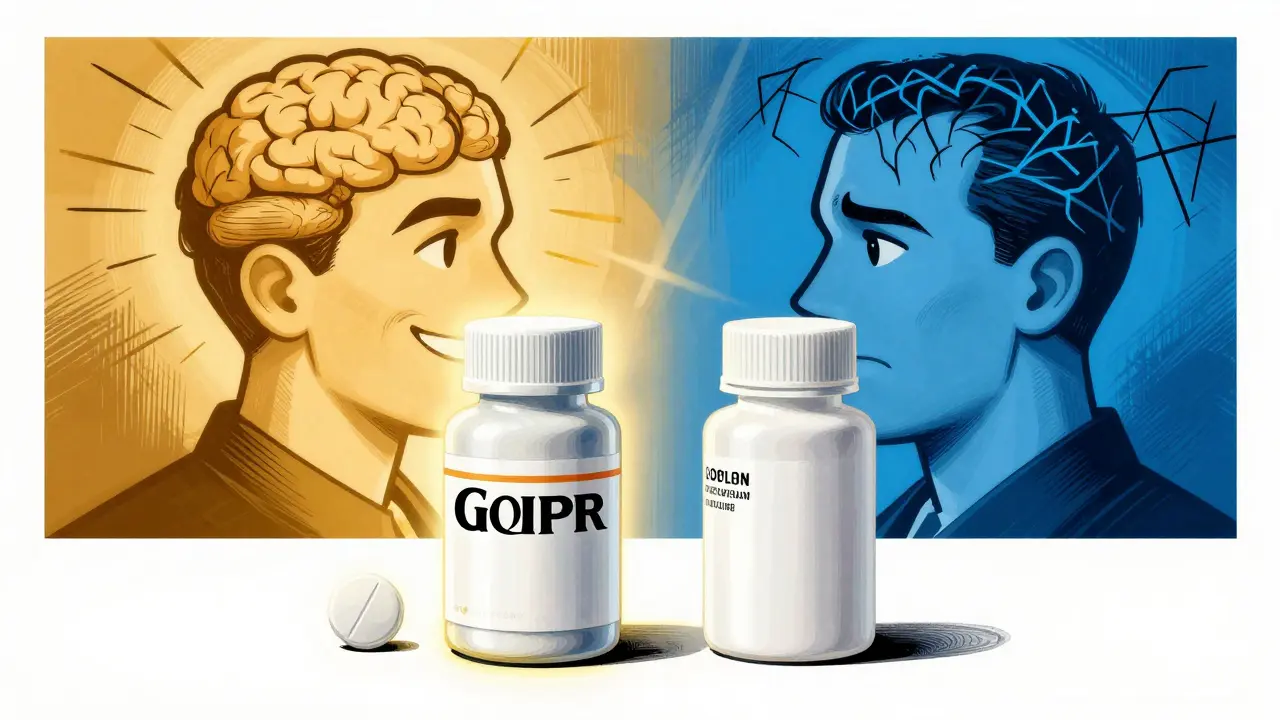
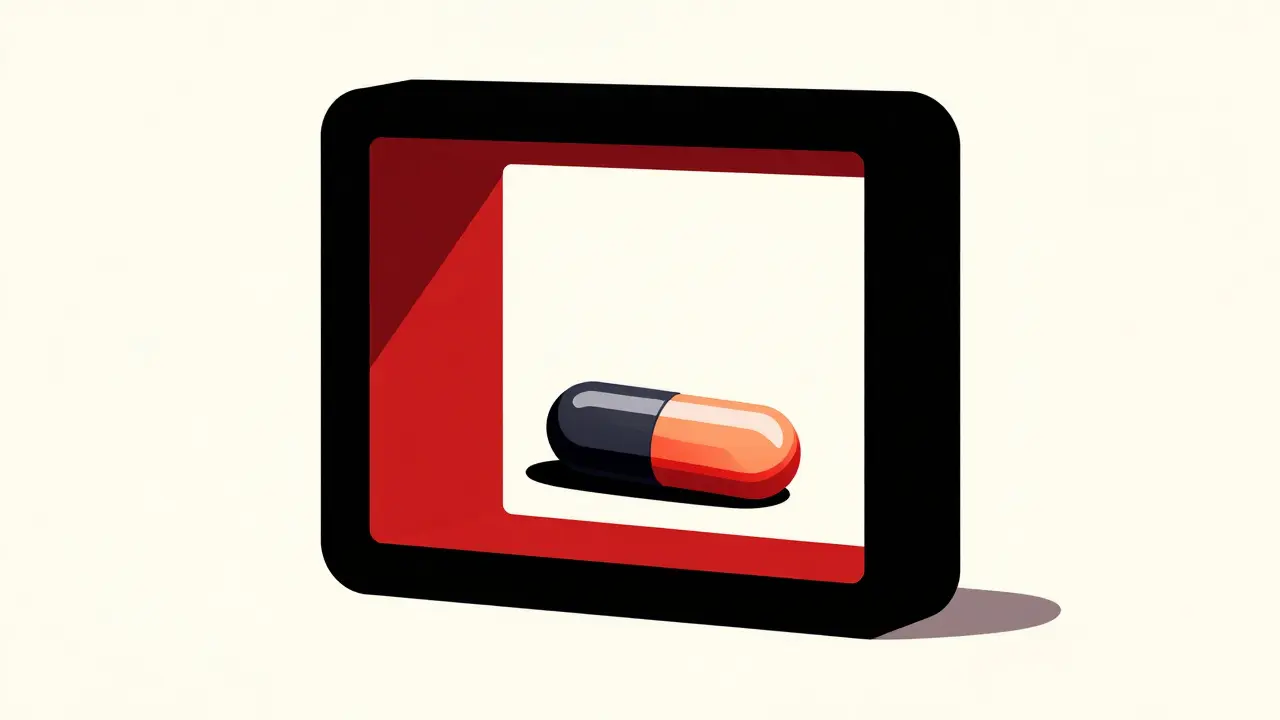
Picture this: you’re handed two identical pills. Same size. Same color. Same active ingredient. One says brand-name. The other says generic. Which one do you think will work better?
If you said the brand-name one, you’re not alone. And you’re not crazy. Research shows it doesn’t matter that the chemistry is identical. The label changes how your brain responds - and that can mean the difference between feeling better and giving up on your medicine.
It’s the Same Medicine, But Your Brain Doesn’t Believe It
In 2019, researchers in Europe ran a simple but powerful experiment. They gave 72 people identical placebo pills - no active drug at all - but labeled them differently. Half were labeled as a well-known brand-name drug. The other half were labeled as generic. Over seven days, 54% of people who got the generic-labeled pill stopped taking it. Only 33% of those with the brand-name label quit. That’s not a fluke. That’s a pattern.
And it gets stranger. People who thought they were taking the generic version reported more pain, more side effects, and even took extra pills from other bottles - just because they didn’t trust what they were given. The pills were the same. The only thing that changed? The label.
This isn’t about intelligence or gullibility. It’s about how our brains assign value. We’ve been conditioned to think brand-name means quality. We’ve seen the ads, the sleek packaging, the doctor’s office with the logo on the bottle. Generic? It looks like a bargain bin option. Even when we know it’s the same drug, our gut says otherwise.
The Placebo Effect, But Backwards
There’s a well-known phenomenon called the placebo effect - when a fake treatment makes you feel better because you believe it works. The labeling effect flips that. It’s the nocebo effect: when you expect something to fail, your body responds as if it does.
A 2016 study tested this with real ibuprofen. Volunteers got either real painkillers or sugar pills, all labeled either brand-name or generic. The results? When a sugar pill was labeled as brand-name, people reported the same pain relief as those who got real ibuprofen. But when the same sugar pill was labeled generic? It barely worked. The brand-name placebo outperformed the generic placebo - even though both were just sugar.
And here’s the kicker: people who thought they were taking a generic pill were almost twice as likely to blame it for side effects like dizziness or nausea - even when the pill had no active ingredients. The label didn’t just change their expectations. It changed their physical experience.
Who’s Most Affected?
This isn’t universal. Some people don’t care what the label says. But others? They’re deeply influenced. The research shows the labeling effect hits hardest in two groups:
- People with lower health literacy - they’re more likely to trust what the label says over what their doctor explains.
- People managing chronic conditions - like high blood pressure, diabetes, or depression - where consistency matters more than anything.
In one study, patients with low health literacy who got generic-labeled pills were 67% more likely to stop taking them than those with higher literacy. That’s not just a preference. That’s a health risk. Skipping your blood pressure pill because you think it’s ‘weaker’? That can lead to a stroke.
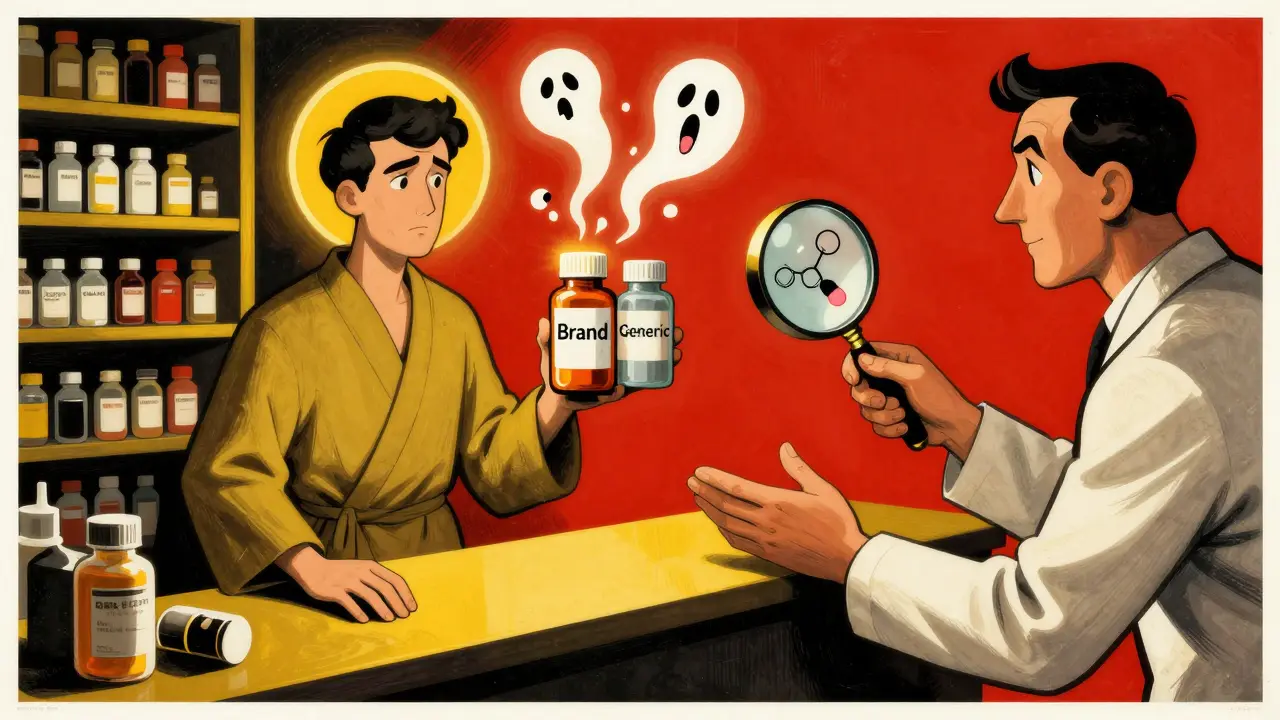
Why Do Pharmacies Push Generics?
Let’s be clear: generic drugs are a win for the system. They cost 80-85% less than brand-name versions. In the U.S., 90% of prescriptions are filled with generics. But they only make up 23% of total drug spending. That’s $373 billion saved every year.
Hospitals and insurers push generics because they save money. And they should. But if patients stop taking them because they think they don’t work, those savings vanish. You can’t save money if the treatment fails.
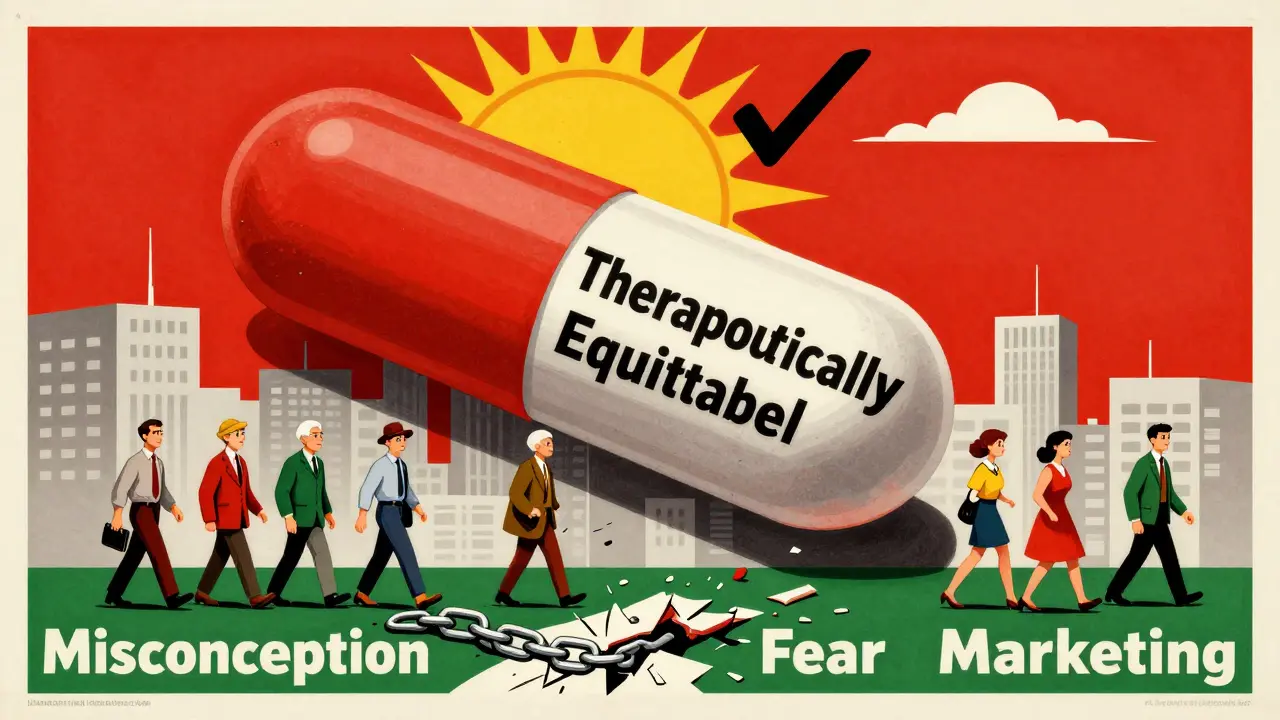
Some pharmacies now add a line to generic labels: “Therapeutically equivalent to [Brand Name].” Early results show this reduces discontinuation by 15%. It’s small, but it helps. It tells your brain: “This isn’t a downgrade. It’s the same thing, just cheaper.”
What About the Labels Themselves?
There’s another problem - the labels aren’t always accurate. A 2020 study found that nearly half of generic drug labels had differences in dosage instructions, warnings, or side effects compared to the brand-name version. Some were minor. Others? Potentially dangerous.
One example: a generic version of a heart medication left out a warning about interactions with grapefruit juice. Another omitted a critical alert for kidney patients. These aren’t mistakes. They’re gaps in oversight. Generic manufacturers aren’t required to mirror the brand’s label exactly - only the active ingredient. That means the instructions, warnings, even the font size can vary. And patients notice.
When your pill looks different, feels different, or comes with confusing instructions, your brain starts to wonder: “Is this really the same?”
What’s Being Done?
The FDA launched a campaign in 2020 called “It’s the Same Medicine.” They put up posters in clinics, ran ads on TV, even made short videos showing side-by-side comparisons of brand and generic pills. In pilot programs, patient concerns dropped by 28%.
In early 2024, the Generic Pharmaceutical Association launched a $50 million education push with the slogan “Generic You Can Count On.” It’s a start. But education alone won’t fix this. We need smarter labeling.
Experts are now talking about “risk-proportionate labeling.” That means high-risk drugs - like blood thinners, epilepsy meds, or insulin - might need stricter label alignment with their brand-name counterparts. No more skipping warnings. No more vague instructions. Just clear, consistent, trustworthy information.
What Should You Do?
If you’re prescribed a generic drug:
- Don’t assume it’s weaker. It’s not. It’s the same chemical. Same FDA standards.
- Ask your pharmacist: “Is this the same as [brand name]?” They’ll confirm it’s bioequivalent.
- If you feel worse after switching, don’t just stop. Talk to your doctor. It could be the label, not the pill.
- Look for labels that say “therapeutically equivalent.” That’s a good sign.
If you’re a provider or caregiver:
- Don’t say “it’s just generic.” Say “it’s the same medicine, but cheaper.”
- Explain why generics are safe. Use simple comparisons: “It’s like buying store-brand aspirin. Same active ingredient. Same effect.”
- Watch for signs of non-adherence. If someone stops taking their meds after switching, the label might be the culprit.
The Bigger Picture
This isn’t just about pills. It’s about trust. We trust brands because we’ve been sold on them for decades. But in healthcare, trust shouldn’t be about marketing. It should be about science.
Generics are one of the most powerful tools we have to make healthcare affordable. But if we keep letting labels undermine them, we’re throwing away billions in savings - and putting lives at risk.
The answer isn’t to ban generics. It’s to fix how we present them. A better label. Clearer language. Consistent warnings. And maybe, just maybe, a little more honesty about what really makes a medicine work - not the brand on the bottle, but the science inside it.
Jan Hess
January 17, 2026 AT 00:08Man I never thought about this but it makes total sense
My grandma stopped her blood pressure med after they switched to generic and ended up in the hospital
She swore the pills felt 'lighter' like they weren't doing anything
Turns out it was all in her head but the damage was done
Iona Jane
January 17, 2026 AT 00:51They're hiding something
Big Pharma doesn't want you to know generics work just as well
Why else would they spend billions on ads if the product was identical?
It's not about trust-it's about control
They profit off your fear
Jaspreet Kaur Chana
January 17, 2026 AT 14:49In India we grow up with generics, no one cares about the brand
My uncle takes ten different medicines every day-all generic-and he’s 82 and still plays cricket
People here know it’s the same chemical, same results
It’s the West that’s obsessed with labels like they’re magic runes
Maybe we should export our common sense instead of importing their marketing
Also the packaging in India is usually just white with black text and it works fine
No fancy logos, no celebrity endorsements, just medicine
And guess what? People take it
Maybe we’re the ones who got it right all along
Nilesh Khedekar
January 18, 2026 AT 05:35Wait-so you’re telling me that if I put a Bayer logo on a sugar pill, it’ll stop my headache? But if I put 'Store Brand' on the exact same thing, it’s useless? That’s not science-that’s brainwashing. And it’s terrifying. The FDA should be ashamed. They’re letting corporations manipulate physiology with LABELS. This isn’t healthcare. This is behavioral psychology warfare. And we’re the lab rats.
Niki Van den Bossche
January 18, 2026 AT 07:56It’s a semiotic collapse of therapeutic efficacy-where the signifier (brand name) overrides the signified (active ingredient). We’ve commodified healing to the point where the aura of corporate branding becomes more pharmacologically potent than the molecule itself. The placebo effect is quaint; this is postmodern pharmacology. We don’t cure illness anymore-we cure perception. And the market has won.
Ayush Pareek
January 19, 2026 AT 08:47Hey, I get it-switching meds can feel weird. I switched to generic thyroid med last year and felt off for a week too.
But I talked to my doc, got my levels checked, and turns out it was fine.
Just give it time. Your body adjusts.
And if you’re still worried? Ask for the brand. Sometimes it’s worth the extra $10 for peace of mind.
But don’t quit cold turkey because of the label. That’s how bad things happen.
RUTH DE OLIVEIRA ALVES
January 20, 2026 AT 14:49It is imperative to acknowledge that the psychological impact of pharmaceutical labeling constitutes a significant variable in clinical adherence and therapeutic outcome. The data presented herein corroborates prior findings in behavioral medicine regarding the nocebo effect in low-health-literacy populations. It is therefore recommended that standardized nomenclature and transparent equivalency messaging be implemented across all generic pharmaceutical packaging to mitigate discontinuation rates and optimize public health outcomes.
Nat Young
January 21, 2026 AT 23:10Oh please. The whole 'brand vs generic' thing is a myth. I've taken both for years. I can't tell the difference. Most people who complain are just looking for an excuse to not take their meds. You want to feel better? Take the pill. Not the marketing.
Diane Hendriks
January 23, 2026 AT 09:56Generics are a socialist plot to weaken American health. Why would we trust some foreign factory’s version of our medicine? The brand name is American-made. The generic? Made in a warehouse in Bangalore with no oversight. I don’t care if the chemistry is 'the same'-I want American quality. This is national security.
Annie Choi
January 24, 2026 AT 01:34So the nocebo effect is basically the brain’s way of manifesting your anxiety as physical symptoms?
That’s wild.
It’s like your mind is running a simulation of 'this won’t work' and your body just… goes along with it.
Kinda makes you wonder how much of chronic pain is actually psychological.
Also, I’ve seen pharmacists slap 'therapeutically equivalent' on generics now-it’s subtle but it helps.
Small wins.
Arjun Seth
January 24, 2026 AT 05:13People are dumb. They don’t read. They don’t research. They see 'generic' and think 'junk'. That’s why we have a broken healthcare system. If you can’t trust science, why are you even alive? You’re a walking liability. Stop taking meds if you’re too stupid to understand they’re the same. Your blood pressure doesn’t care about your ego.
Dan Mack
January 24, 2026 AT 09:44They’re lying. The FDA knows generics aren’t always equivalent. I’ve seen the documents. The bioequivalence window is too wide. One pill can be 80% the strength, another 125%. That’s not the same. That’s gambling with your life. And they call it 'safe'? No. This is corporate negligence wrapped in a red tape bow. Wake up. They’re testing on you.