
SGLT2 Inhibitor Risk Assessment Tool
This tool helps you understand your personal risk of dehydration, dizziness, and low blood pressure when taking SGLT2 inhibitors based on key factors from the article.
Risk Assessment Results
Important Safety Note: If your risk is high or you experience dizziness, dehydration, or low blood pressure, contact your healthcare provider immediately.
Recommended Actions
- 1
- 2
- 3
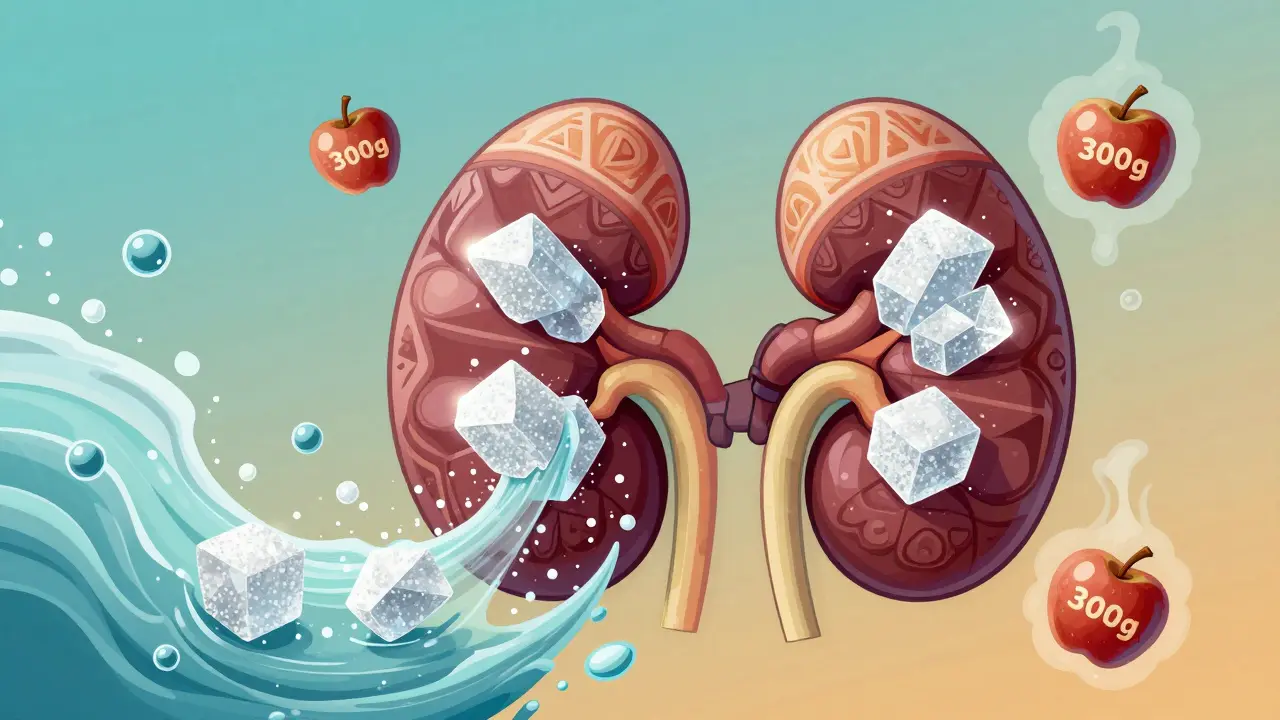
When you start taking an SGLT2 inhibitor like empagliflozin, dapagliflozin, or canagliflozin, your body begins to do something unusual: it pees out sugar. Not just a little-up to 300 grams a day. That’s about the weight of a large apple, flushed out through your urine. And with that sugar goes water. And sodium. This isn’t just a side effect-it’s the whole point. But it also means your body loses fluid fast, and that’s where things get tricky.
How SGLT2 Inhibitors Work as Diuretics
SGLT2 inhibitors were originally designed to lower blood sugar by blocking the kidneys from reabsorbing glucose. But here’s the twist: they also block sodium reabsorption. That’s why they act like diuretics, even though they’re not classified as such. Normally, your kidneys hold onto almost all the glucose and sodium you filter. These drugs stop that. Glucose spills into urine, pulling water with it. Sodium follows, and your body loses about 1 to 1.5 liters of fluid in the first week. That’s why many people lose 1.5 to 2.5 kg (3-5 lbs) quickly after starting.
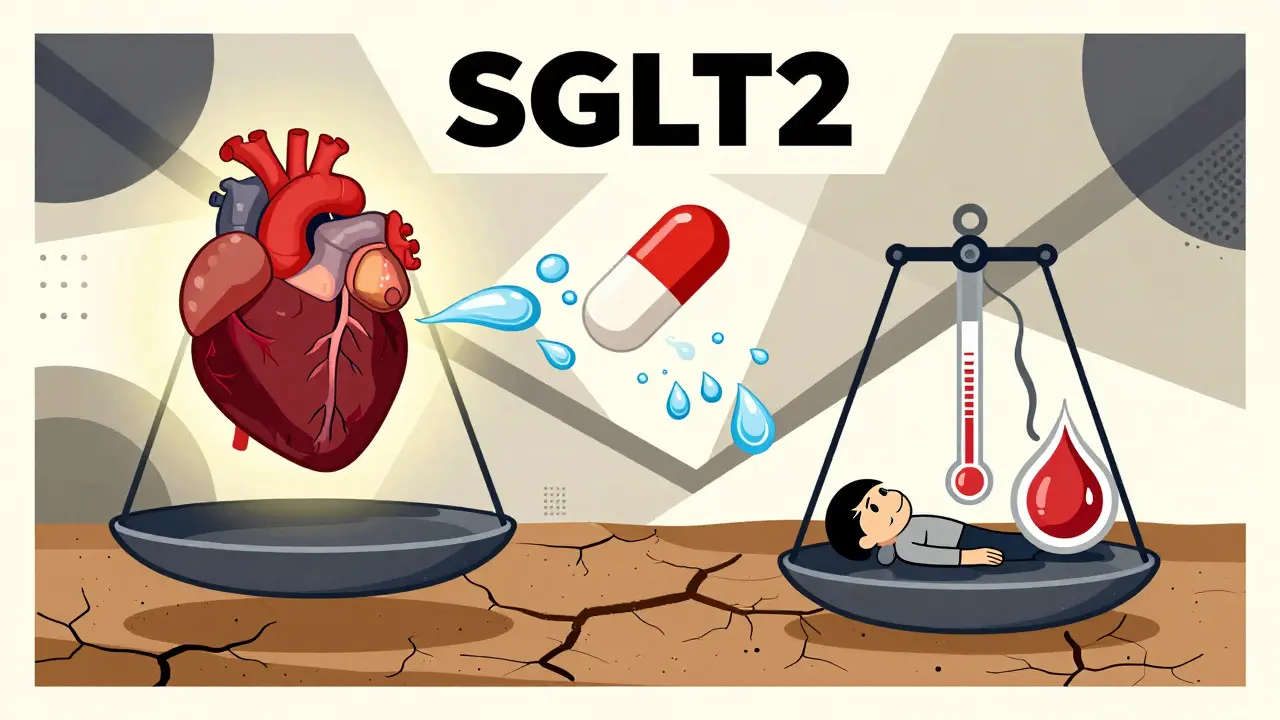
This isn’t just about sugar. It’s about pressure. Less fluid in your blood vessels means less strain on your heart. That’s why these drugs are now used for heart failure-even in people without diabetes. Studies like DAPA-HF and EMPEROR-Reduced showed they cut heart failure hospitalizations and death. But that same fluid loss can lead to dehydration, dizziness, and low blood pressure if not managed.
Dehydration: More Common Than You Think
Dehydration from SGLT2 inhibitors isn’t rare. In clinical trials, 1.3% to 2.8% of users had symptoms like dry mouth, dark urine, or lightheadedness-compared to under 1% on placebo. The risk jumps if you’re over 65, have kidney problems, or are already on a diuretic like furosemide. One study found older adults had more than double the risk of hospitalization for dehydration.
Real-world reports back this up. On patient forums, people say things like, “I was so thirsty I drank a gallon a day and still felt dry.” Or, “I got dizzy walking to the bathroom and had to sit down.” These aren’t just complaints-they’re signals your body is running low on fluid.
Why does this happen? Two reasons. First, your kidneys are constantly dumping fluid. Second, many older adults don’t feel thirsty the way younger people do. If you’re on a low-sodium diet, taking blood pressure meds, or living in a hot climate like Melbourne’s summer, you’re even more at risk. The FDA reports that 0.8% of empagliflozin users stopped the drug because of volume depletion. That’s not a small number.
Dizziness: It’s Not Just “Feeling Off”
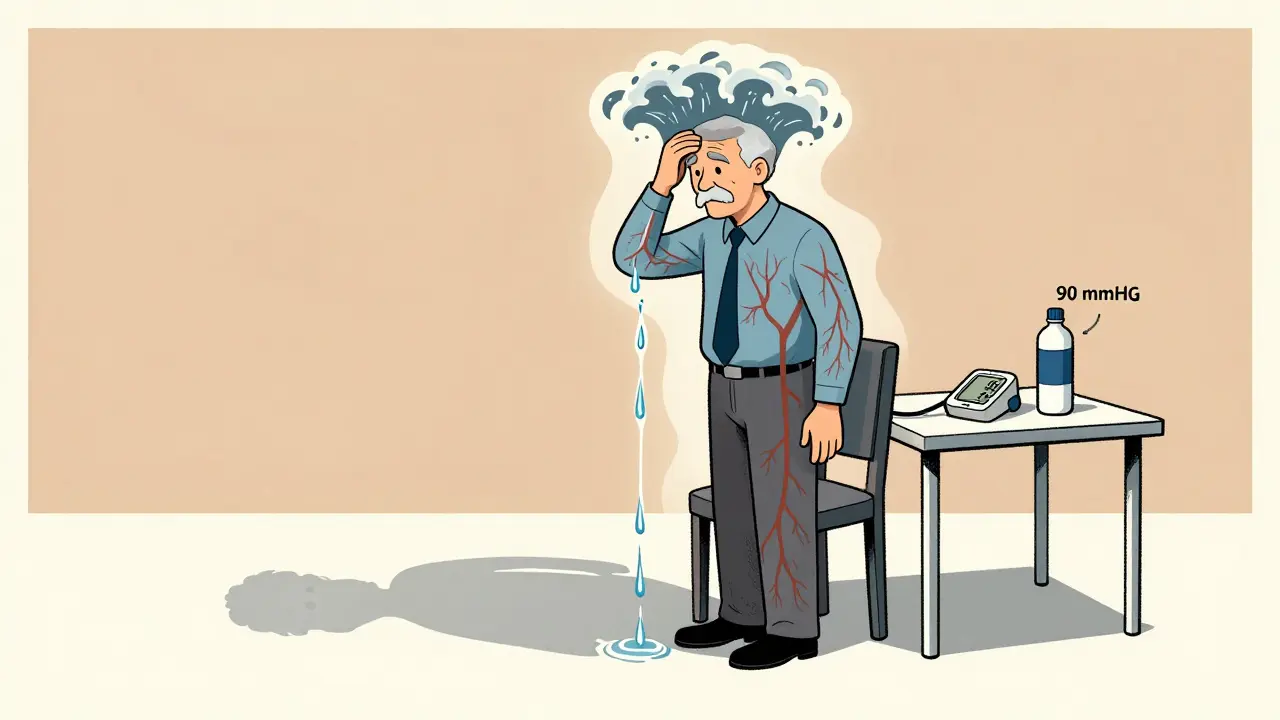
Dizziness is one of the most reported side effects. In trials, 3.5% to 5.8% of people on SGLT2 inhibitors felt dizzy, compared to 2.5%-3.2% on placebo. But here’s what most don’t realize: it’s not random. About 63% of cases are tied to orthostatic hypotension-your blood pressure drops when you stand up. Your systolic pressure might fall 20 mmHg or more. That’s enough to make your vision go gray, your knees weak.
It usually hits within the first four weeks. That’s when your body is adjusting to the fluid loss. Older patients, especially those over 75, are four times more likely to experience it. Combine that with blood pressure meds like lisinopril or hydrochlorothiazide, and the risk spikes. One study showed people with baseline systolic blood pressure under 130 mmHg had nearly three times the risk of dizziness.
Patients on Drugs.com describe it as “a wave of lightheadedness that hits when I get out of bed.” Reddit users say, “I thought it was just aging-then my doctor said it was the pill.” It’s not all in your head. It’s physics: less fluid, less pressure, less blood reaching your brain.
Blood Pressure Drop: A Hidden Benefit and a Hidden Risk
Here’s the irony: the same mechanism that causes dizziness also saves lives. SGLT2 inhibitors lower systolic blood pressure by 4 to 6 mmHg on average. That’s similar to what you’d get from a low-dose diuretic. But unlike diuretics, they don’t mess with potassium or uric acid. They even improve arterial stiffness, which helps your heart work better long-term.
That’s why heart failure guidelines now recommend them as first-line, even for non-diabetics. The drop in blood pressure reduces pressure on the kidneys, too-slowing kidney disease progression by 30-50%. But if your blood pressure is already low (under 120 mmHg systolic), that drop can push you into trouble. One study found patients with baseline SBP under 120 mmHg had over three times the risk of symptomatic hypotension.
Doctors now check orthostatic blood pressure before starting and again at one week. If your pressure drops below 90 mmHg systolic or you feel faint when standing, they may pause the drug. Not because it’s dangerous-but because it’s too much too soon.
Who’s Most at Risk?
Not everyone gets these side effects. But certain people are far more likely to:
- Age 65 or older
- Already on diuretics (like furosemide or hydrochlorothiazide)
- Have eGFR under 60 mL/min (moderate kidney impairment)
- Have systolic blood pressure under 130 mmHg
- Been sick recently (vomiting, diarrhea, fever)
- Live in hot weather or exercise intensely without extra fluids
If you fit even two of these, your risk goes up significantly. That’s why doctors now screen before prescribing. A simple check of your weight, blood pressure, and hydration status can prevent a hospital visit.
How to Stay Safe
You don’t have to avoid these drugs. But you do need to manage them smartly.
- Start low. If you’re older or have kidney issues, begin with 10 mg of empagliflozin instead of 25 mg. Same with dapagliflozin-start at 5 mg.
- Drink more water. Add 500-1000 mL (2-4 cups) of water daily, especially in heat or after exercise. Don’t wait until you’re thirsty.
- Check your weight weekly. A sudden drop of more than 2 kg in a week? That’s a red flag.
- Stand up slowly. If you feel dizzy, sit down. Wait 30 seconds. Drink water. Your body needs time to adjust.
- Hold the drug during illness. If you have vomiting, diarrhea, or can’t eat/drink for 24 hours, pause the medication. Call your doctor.
- Don’t stop blood pressure meds without advice. Sometimes, lowering your diuretic dose by 25-50% helps more than stopping the SGLT2 drug.
Most people adapt within a month. The dizziness fades. The thirst eases. And the benefits-fewer heart attacks, fewer hospital stays, slower kidney decline-kick in.
What to Do If Side Effects Hit
If you’re dizzy, dehydrated, or lightheaded:
- Don’t drive or operate machinery.
- Drink 500 mL of water immediately.
- Check your blood pressure if you have a home monitor.
- If systolic pressure is under 90 mmHg or symptoms don’t improve in 15 minutes, call your doctor.
- Don’t panic. This is common, reversible, and manageable.
Many patients who stop the drug due to side effects end up restarting it after adjustments. One endocrinologist survey found 42% of patients who had dizziness had their dose lowered-not stopped-and tolerated it fine.
The key is communication. Tell your doctor if you feel off. Don’t assume it’s just aging. Don’t ignore it. These drugs are powerful. They change how your body handles fluid. That’s why they work. But that’s also why you need to be smart about them.
Can SGLT2 inhibitors cause severe dehydration?
Yes, but it’s rare and usually preventable. Severe dehydration requiring hospitalization affects less than 1% of users, but risk rises to 0.8% in older adults or those with kidney issues. Signs include dark urine, extreme thirst, dry skin, and dizziness when standing. Drinking extra water and avoiding diuretics can prevent it.
Why do I feel dizzy after starting SGLT2 inhibitors?
Dizziness is usually caused by orthostatic hypotension-your blood pressure drops when you stand up. This happens because the drug removes fluid from your bloodstream. The effect peaks in the first 4 weeks. It’s more common if you’re older, on other blood pressure meds, or have low baseline BP. Standing slowly and increasing fluid intake often helps.
Do SGLT2 inhibitors lower blood pressure too much?
They lower blood pressure by 4-6 mmHg on average, which is beneficial for heart and kidney health. But if your blood pressure is already low (under 120 mmHg systolic), it can drop too far. That’s why doctors check your BP before starting and at 1 week. If you feel faint, your dose may be reduced-not stopped.
Should I stop drinking alcohol while on SGLT2 inhibitors?
Not necessarily, but be cautious. Alcohol can worsen dehydration and lower blood pressure further. If you drink, limit it to 1 drink per day, and always drink water alongside it. Avoid binge drinking, especially in hot weather.
Can I take SGLT2 inhibitors if I have kidney disease?
Yes-in fact, they’re recommended for people with chronic kidney disease, even if they don’t have diabetes. But if your eGFR is below 30 mL/min, most SGLT2 drugs lose effectiveness. Your doctor will adjust the dose or choose one that’s still effective at low kidney function, like empagliflozin or dapagliflozin.
Is it safe to use SGLT2 inhibitors long-term?
Yes, long-term use is not only safe but protective. Studies show they reduce heart failure hospitalizations by 30% and slow kidney decline over 5 years. Side effects like dizziness and dehydration usually improve after the first month. Regular monitoring and staying hydrated make long-term use very safe for most people.
Sumit Mohan Saxena
February 28, 2026 AT 17:32Based on the clinical evidence presented, SGLT2 inhibitors exert a significant natriuretic and osmotic diuretic effect, which is both therapeutically advantageous and clinically consequential. The magnitude of fluid loss-up to 1.5 liters within the first week-demands systematic patient assessment prior to initiation, particularly in populations with reduced renal reserve or concomitant antihypertensive therapy. The data from DAPA-HF and EMPEROR-Reduced are robust, yet the risk-benefit calculus must be individualized. Monitoring for orthostatic changes, baseline volume status, and renal function remains non-negotiable in clinical practice.
Katherine Farmer
March 1, 2026 AT 09:46How is it that people still act surprised when a drug that makes you pee out sugar also makes you dehydrated? It’s not rocket science. The mechanism is textbook osmotic diuresis. If you’re 70, on lisinopril, and think ‘drinking more water’ is a solution, you’re not managing risk-you’re gambling with your kidneys. This isn’t a lifestyle tweak. It’s pharmacology. And if you can’t handle the physiology, don’t take the drug. Simple.
Angel Wolfe
March 2, 2026 AT 16:07They don't want you to know this but SGLT2 inhibitors are part of the big pharma agenda to make old people dependent on pills while the government pushes water rationing in Arizona and California. You think dehydration is an accident? Nah. It's a feature. They want you weak so you'll keep buying more meds. And don't get me started on how they got the FDA to approve this. The same people who approved vaping devices. Wake up. This isn't medicine. It's control.
Sophia Rafiq
March 4, 2026 AT 07:26Started empagliflozin 3 weeks ago. Dizzy AF the first week. Dr told me to stand up like a turtle. Now I'm fine. Drink water like it's your job. No more coffee after noon. Weight stable. BP down 5 points. No more angina. Worth it. Also, I'm not diabetic. Just heart stuff. Crazy how this works.
Martin Halpin
March 5, 2026 AT 15:34Let me tell you something you won't hear from your endocrinologist-SGLT2 inhibitors are the most misunderstood class of drugs in modern cardiology because everyone focuses on the sugar and ignores the sodium. Sodium loss is the silent killer here. You lose 3-5 grams of sodium in the first 72 hours. That's not trivial. That's equivalent to a full day's intake for most people. And if you're on a low-sodium diet because your doctor told you to cut salt for 'heart health'-you're basically setting yourself up for a vasovagal episode. I've seen patients collapse in grocery stores because they were told to eat less salt and take a drug that makes them pee out sodium. The irony is thick enough to spread on toast. And no one talks about this. Why? Because it's inconvenient. Because it contradicts decades of dietary dogma. And because the pharmaceutical reps don't want you asking questions about sodium balance. So they sell you a pill and tell you to drink more water. Like that fixes systemic electrolyte disruption.
Justin Ransburg
March 7, 2026 AT 01:09This is such an important topic and I'm so glad someone took the time to break it down with real data. Many patients are scared off by side effects, but with proper management, these drugs can be life-changing. I’ve had patients with heart failure who went from being housebound to hiking trails after starting dapagliflozin. Yes, the first few weeks require caution-but the long-term benefits are undeniable. Stay hydrated, move slowly, monitor your weight, and communicate with your provider. You’ve got this.
Brandie Bradshaw
March 8, 2026 AT 14:20Let’s be clear: dehydration isn’t a ‘side effect’-it’s a direct pharmacological consequence. And dizziness? It’s not ‘feeling off’-it’s cerebral hypoperfusion due to reduced intravascular volume. The fact that so many clinicians dismiss these as ‘normal’ or ‘just aging’ is appalling. We are not treating patients-we are treating numbers. If a patient’s systolic BP drops below 120 mmHg on this drug, and they’re over 65, and they’re on a thiazide-this is a clinical emergency waiting to happen. Why aren’t we doing orthostatic vitals at every visit? Why aren’t we educating patients with printed handouts? Why are we relying on ‘trust me, it’ll get better’? Because we’re lazy. And because we’re afraid of liability. But the truth? The truth is in the physiology. And the physiology doesn’t care about your schedule.
Lisa Fremder
March 10, 2026 AT 13:59They’re just trying to make you sick so you’ll pay for more drugs. I’ve seen it. My cousin got on one of these pills and now she’s in the hospital three times. They don’t care. They just want your money. This isn’t medicine. It’s a scam. And they call it science? Ha. I’ll take my chances with natural remedies. No more pills. No more doctors. No more lies.
Full Scale Webmaster
March 11, 2026 AT 13:40Okay so I’ve been on canagliflozin for 10 months and I’m going to tell you the truth no one else will: the dizziness didn’t go away. It just got quieter. I still get that wave when I stand up from the couch. My wife says I’m fine. My BP monitor says I’m fine. But my brain says no. I’m not stopping it. My ejection fraction went from 32 to 48. My kidneys are stable. I lost 11 lbs. But I still sit for 45 seconds before I walk to the bathroom. I still drink a whole bottle of water before bed. I still check my weight every morning. This drug saved my life. But it didn’t make me normal. It made me careful. And if you’re not willing to be careful? Don’t take it. Because this isn’t a sugar pill. It’s a life-altering tool. And tools need respect. Not fear. Not hype. Just respect.