
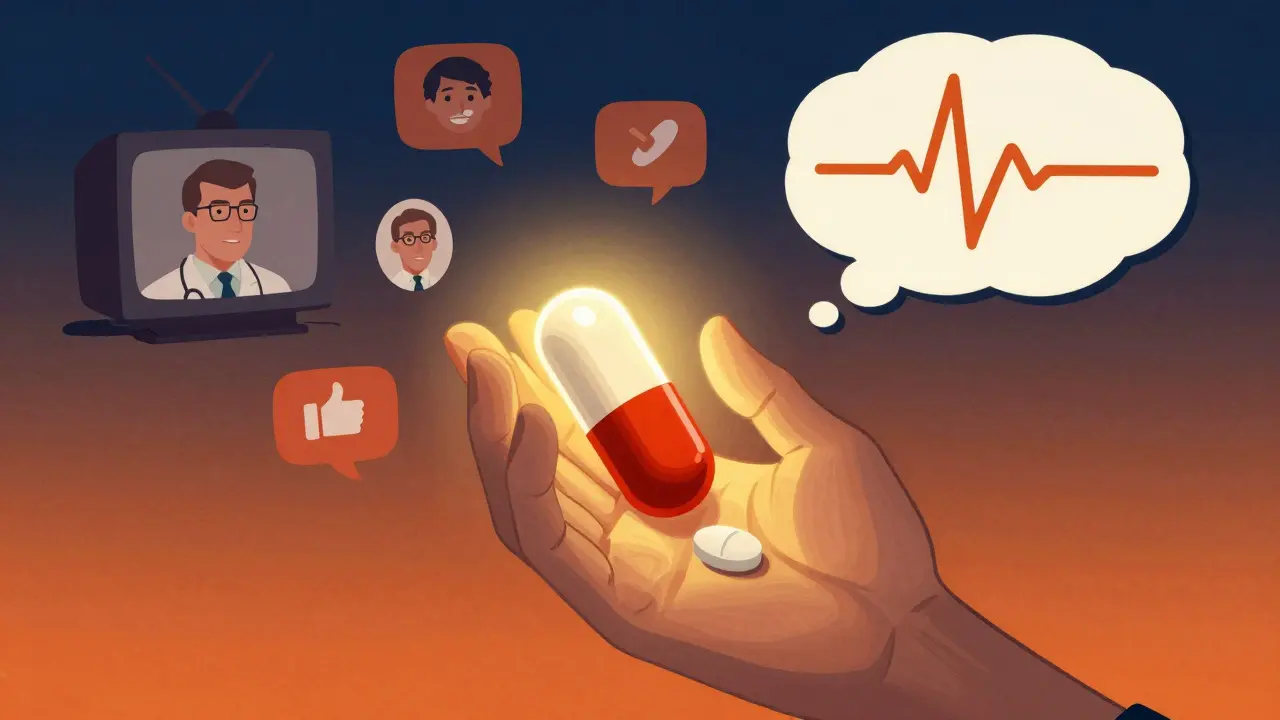
It’s not about science. It’s about feeling safe. Even though generics have the exact same active ingredients, work the same way, and are approved by the FDA to be just as effective, millions of people still reach for the brand-name pill. Why? It’s not because the brand works better. It’s because they believe it does.
It’s Not Just About Price
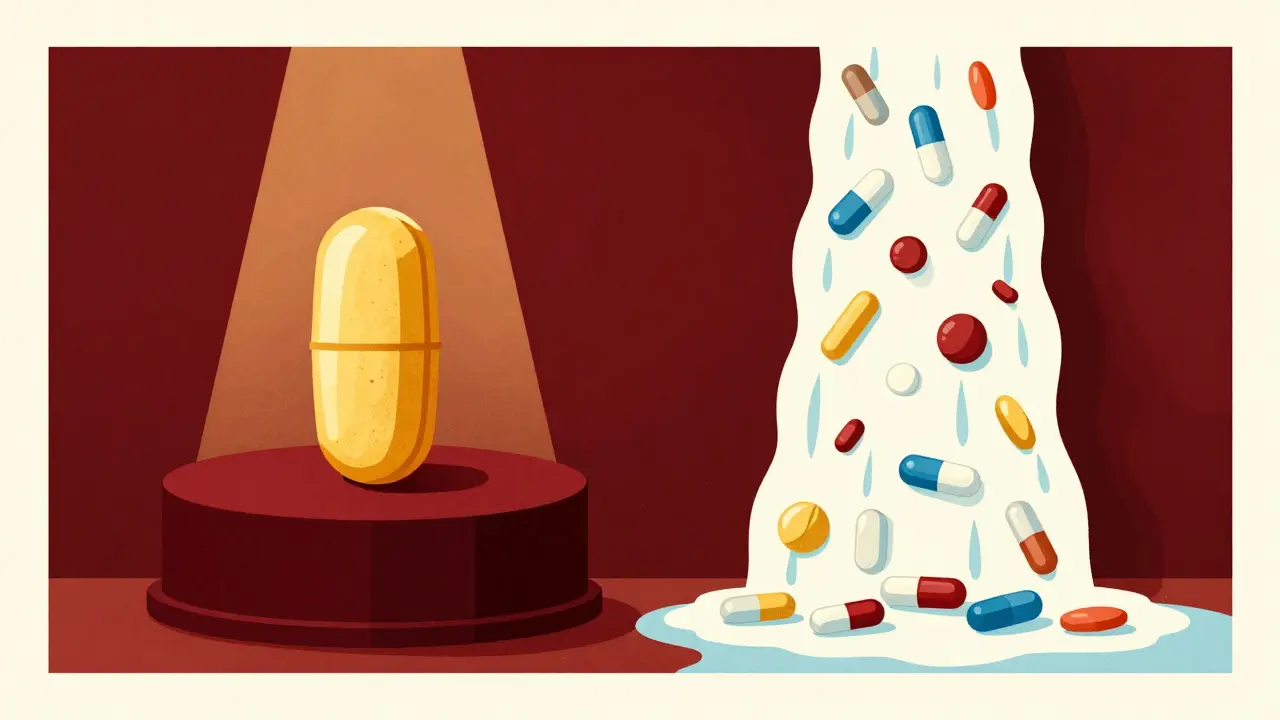
Generics make up 90% of all prescriptions filled in the U.S. But they only account for 22% of total drug spending. That’s because brand-name drugs cost, on average, 79% more. And yet, people keep choosing them. Why pay more for the same thing? The answer isn’t in the chemistry-it’s in the mind.For many, the brand name is a promise. It’s the logo on the bottle, the name they’ve heard on TV, the one their doctor mentioned first. When you’re managing a chronic condition like high blood pressure or depression, that familiarity feels like control. You’ve seen the box before. You’ve taken it for years. You trust it because you know it.
One Reddit user, u/AnxiousPatient99, wrote: ‘I’ve tried three different generics of my antidepressant and only the brand name works consistently.’ That post got over 1,200 upvotes. Not because it’s scientifically proven-FDA data says otherwise-but because countless others have felt the same thing. Even if the difference is tiny, or imagined, it feels real.
Doctors Don’t Always Push Generics
You might think doctors would automatically choose the cheaper option. But they don’t always. A 2023 survey found that 40% of physicians would still prescribe brand-name drugs if cost wasn’t an issue. In Japan, that number jumps to 57%. In Spain and Italy, it’s around 50%.Why? Some doctors worry about subtle differences in how generics are made. While the active ingredient is identical, the fillers, dyes, and coatings can vary. For most drugs, that doesn’t matter. But for medications where even small changes can affect how the body absorbs the drug-like epilepsy treatments, blood thinners, or psychiatric drugs-some clinicians hesitate.
Psychiatrists, in particular, are far less likely to switch patients to generics than family doctors. One study found family practitioners prescribe generics 2.3 times more often. Why? Mental health meds are tricky. Patients often report feeling ‘off’ after switching-even when lab tests show no change in blood levels. That’s not always a drug issue. It’s a psychological one. The brain expects the brand. When it doesn’t get it, the body reacts.
Generations See It Differently
Younger people are more likely to stick with brands. A 2022 Fortune survey found that 35% of Gen Z prefer brand-name medications-even when they cost nearly 80% more than generics. That’s surprising, right? Gen Z is known for being cost-conscious, tech-savvy, and skeptical of big pharma.But here’s the twist: they’re not loyal because they’re naive. They’re loyal because they’ve been sold a story. Brand-name companies spend billions on ads that say, ‘This is the one your doctor trusts.’ They create patient support programs, apps, and even free samples. They make you feel like you’re getting more than a pill-you’re getting care.
Millennials and Gen X? They’re more open to generics. They’ve seen the prices rise. They’ve paid out of pocket. They’ve learned that a $4 generic at Walmart does the same job as a $120 brand. But Gen Z? They’ve grown up with personalized marketing, influencer endorsements, and subscription boxes. If it feels premium, they’re willing to pay for it-even if it’s just a pill.
Trust Is Built on Experience, Not Data
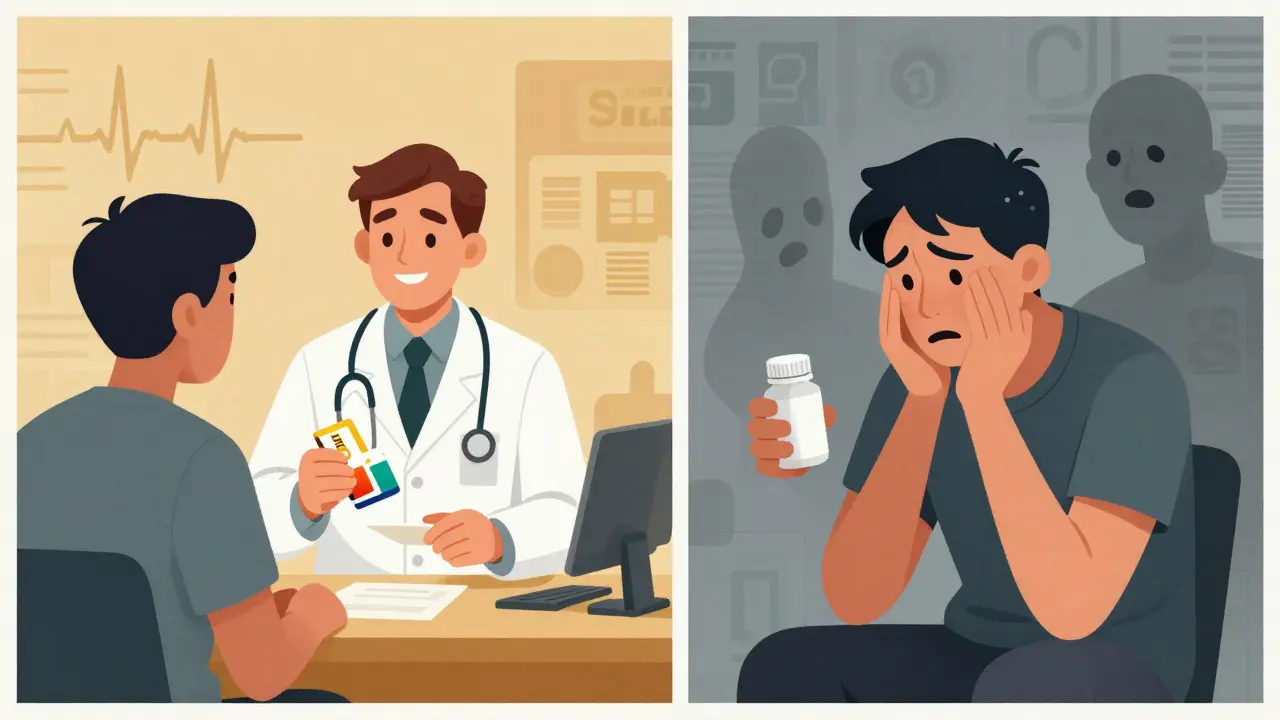
A 2023 study in the Indian Journal of Marketing looked at 296 people taking OTC meds in Delhi. The strongest predictor of brand loyalty? Brand experience. Not price. Not effectiveness. Not advertising. The feeling you get when you take the pill and it works. That’s what sticks.It’s not about the science. It’s about the memory. You had a bad headache. You took the blue capsule. It vanished in 20 minutes. You felt better. You trusted that blue capsule. Years later, even if the generic looks different, you avoid it. Because your brain remembers the relief.
That’s why emotional attachment matters more than facts. When people feel their health is at stake, they don’t want to gamble. They want certainty. And brands sell certainty.
The Cost of Comfort
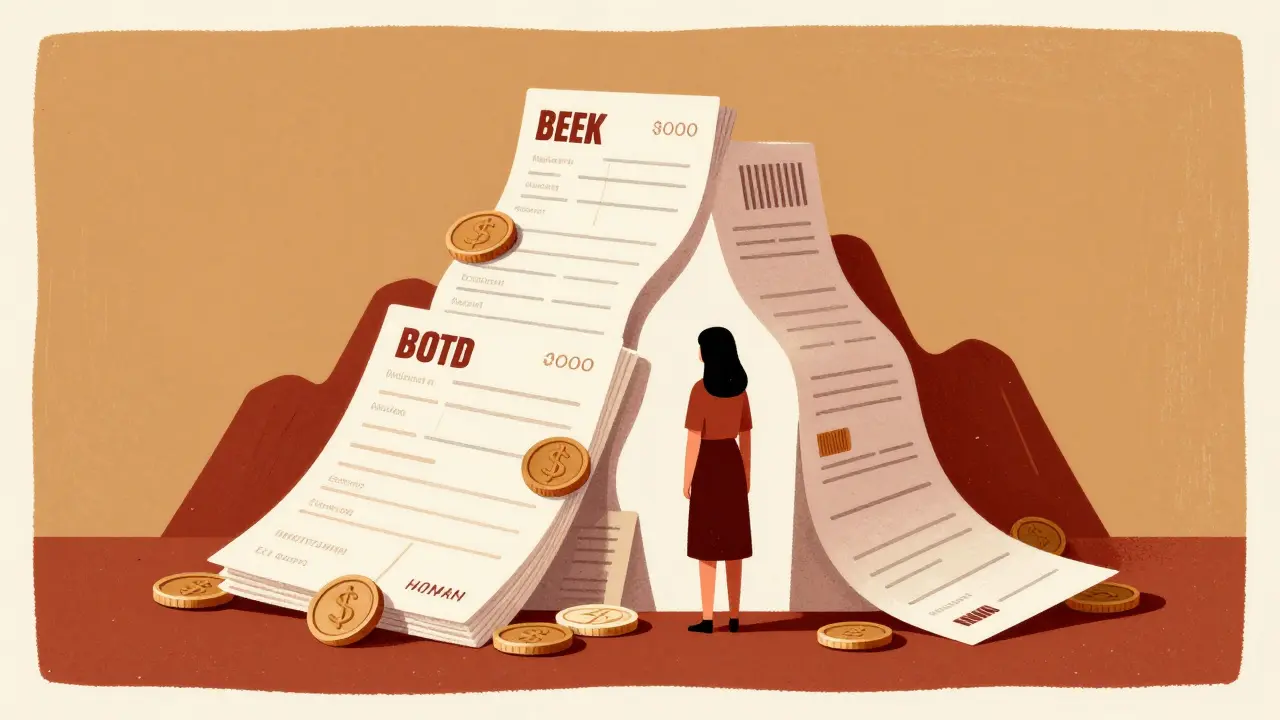
This isn’t harmless. Brand loyalty costs patients billions. In the U.S., people pay $100 billion extra each year for brand-name drugs that offer no clinical advantage. That’s money that could go toward food, rent, or other meds.Lower-income and lower-educated patients are 1.5 times more likely to stay loyal to brands-even when they can’t afford them. Why? Because they’ve been told, implicitly, that cheaper means worse. They’ve seen ads that make generics look like knockoffs. They’ve heard stories from friends who ‘had bad reactions.’ And in a system where healthcare feels confusing and intimidating, sticking with the familiar feels like the safest choice.
One patient told Consumer Reports: ‘I switched to the generic for my cholesterol pill. I felt dizzy for a week. I went back to the brand. I don’t care how much it costs-I’m not risking it again.’
But here’s the thing: the FDA says those symptoms are likely unrelated to the drug. The generic was bioequivalent. The dizziness was probably stress, or coincidence, or something else entirely. But the patient doesn’t know that. All they know is: the brand worked. The generic didn’t. So they won’t try again.
What Can Be Done?
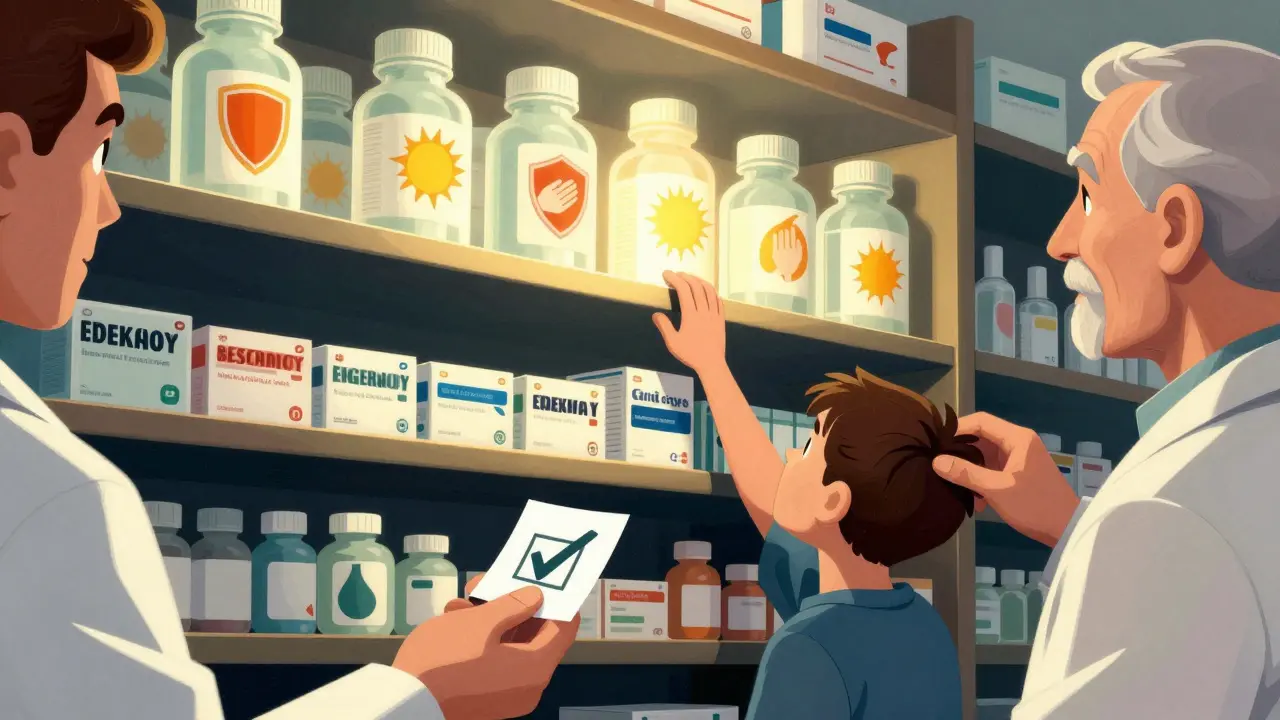
Pharmacists are on the front lines. When a patient asks for the brand, a pharmacist can explain: ‘This generic has the same active ingredient. It’s tested to work the same way. It’s just cheaper.’ Studies show that when pharmacists take 7 minutes to explain this, 67% of patients agree to switch.But most clinics don’t have time for that. A 2023 Medscape study found the average counseling session lasts just 7.2 minutes. And that’s for everything-refills, side effects, diet changes. There’s no room for deep conversations about brand loyalty.
Some pharmacies are trying. They’re printing simple handouts. They’re putting up posters: ‘Same medicine. Lower price.’ They’re training staff to say, ‘Many of our patients save over $4,000 a year by switching.’ One clinic in Oregon saw generic acceptance jump 32% after implementing a standardized education script.
But real change needs more than handouts. It needs trust. It needs transparency. It needs patients to feel heard-not lectured.
The Future Is Changing-Slowly
The FDA is pushing hard to speed up generic approvals. The Generic Drug User Fee Amendments (GDUFA III) aim to cut approval times and increase competition. Biosimilars-complex versions of biologic drugs-are entering the market. But adoption is slow. Only 32% of patients switch from originator biologics to biosimilars in the first year.Why? Because these are expensive, life-changing drugs. Cancer treatments. Autoimmune therapies. Patients don’t want to risk anything. And drugmakers know it. They’ve built loyalty programs that offer co-pay cards, free nurse hotlines, and even travel assistance. That kind of support doesn’t come with generics.
By 2030, experts predict generics will make up 95% of prescriptions by volume. But brand-name drugs will still hold onto 35-40% of revenue in key areas like mental health, autoimmune diseases, and cancer. Why? Because for some patients, the price isn’t the issue. The fear is.
They’re not irrational. They’re human.
What they want isn’t a cheaper pill. It’s peace of mind.
Are generic drugs really as effective as brand-name drugs?
Yes. The FDA requires generic drugs to have the same active ingredient, strength, dosage form, and route of administration as the brand-name version. They must also be bioequivalent-meaning they work the same way in the body. Studies show no meaningful difference in effectiveness for the vast majority of medications. The only exceptions are narrow therapeutic index drugs, like warfarin or thyroid meds, where small differences in absorption can matter. Even then, generics are still approved and monitored.
Why do some people say generics don’t work for them?
It’s often psychological. When patients switch from a familiar brand to a generic that looks different-different color, shape, or even packaging-they may notice changes in how they feel. But those changes are rarely caused by the drug itself. They could be due to stress, expectation, or unrelated health issues. In rare cases, inactive ingredients in generics (like dyes or fillers) can cause allergic reactions, but this is uncommon. If a patient truly feels worse after switching, they should talk to their doctor before going back to the brand.
Do doctors prefer brand-name drugs?
Many do, especially in specialties like psychiatry and neurology. A 2023 survey found 40% of physicians would prescribe brand-name drugs if cost weren’t a factor. Some believe brand-name drugs are more consistent. Others are simply used to prescribing them. But most doctors know generics are equivalent. The real barrier is often patient pressure-many patients refuse generics outright, so doctors avoid the conflict by prescribing the brand.
Can pharmacists substitute generics without asking the doctor?
It depends on the state and the drug. In most U.S. states, pharmacists can substitute a generic unless the doctor writes ‘dispense as written’ or ‘no substitution.’ But in some cases-especially with controlled substances or complex biologics-substitution requires approval. In Europe, rules vary by country: 15 countries allow pharmacists to substitute without permission, while 12 require the doctor’s okay. Always check your local laws.
Why are brand-name drugs so expensive?
Brand-name drugs are priced high to recover the cost of research, development, and marketing. It can cost over $2 billion and take 10-15 years to bring a new drug to market. Once patents expire, generics enter and prices drop dramatically. But drugmakers often extend patents, create ‘evergreen’ versions (slight reformulations), or bundle drugs with support programs to keep patients loyal. That’s why even after generics are available, the brand may still cost 10 times more.
Annette Robinson
January 8, 2026 AT 05:58I get it. I was on a generic for my anxiety meds for six months. Felt like I was walking through fog. Went back to the brand-and suddenly, I could breathe again. Doesn’t mean it’s chemically different. But my brain knew the pill. And that mattered.
It’s not about being irrational. It’s about trust. When your mental health is on the line, you don’t gamble with color and shape.
I wish more doctors would say that instead of acting like we’re all just numbers.
Aubrey Mallory
January 8, 2026 AT 22:57Stop coddling people. If the FDA says it’s the same, it’s the same. People are just lazy and scared of change. This isn’t a therapy session-it’s a pharmacy. Get over it. Pay for what you need, not what you feel like you need.
And stop pretending this is about ‘peace of mind.’ That’s just corporate marketing dressed up as compassion.
christy lianto
January 10, 2026 AT 02:41My mom’s on blood pressure meds. Switched to generic. Got dizzy for three days. Went back to brand. No lab test ever showed a difference. But she swears the generic made her feel ‘sick in her bones.’
She’s 72. Doesn’t care about bioequivalence. She cares about not feeling like she’s gonna pass out at the grocery store.
Maybe the science is clean. But the human experience? That’s messy. And we can’t ignore that just because it doesn’t fit a graph.
Lois Li
January 11, 2026 AT 04:21I think we’re missing the real issue here. It’s not that people are dumb or scared. It’s that the system has trained them to be afraid. Ads make brand names look like heroes. Pharmacists rarely explain. Doctors don’t push. So people assume cheaper = worse. And that’s not their fault.
We need to fix the messaging, not the people. The pill is the same. But the story around it? That’s broken.
Donny Airlangga
January 12, 2026 AT 17:25I work in a clinic. We’ve got patients who refuse generics even when they’re paying out of pocket. One guy pays $200 a month for his antidepressant when the generic is $12. He says, ‘I don’t want to feel like I’m on a discount version of myself.’
It’s heartbreaking. And it’s real. We can’t fix this with handouts. We need to listen first. Then educate.
Kristina Felixita
January 13, 2026 AT 22:10Gen Z is not dumb. They’re just used to things feeling good. Like, the brand name comes with a little app, a free sample, a cute bottle, a nurse texting you. The generic? A brown pill in a plastic bag. Of course they pick the one that feels like care.
It’s not about the drug. It’s about the experience. Pharma’s not selling pills. They’re selling comfort. And Gen Z? They’re paying for the whole package.
swati Thounaojam
January 15, 2026 AT 11:45In India, generics are the only option for most people. But even here, people ask for the brand name. They think if it’s cheap, it’s weak. We need better education. But also, we need to stop treating patients like children.
Ken Porter
January 17, 2026 AT 08:17Why are we even having this conversation? It’s 2025. We have data. We have science. People who pay extra for brand-name pills are wasting money and hurting the system. If you can’t handle a different-colored pill, maybe you shouldn’t be managing your own meds.
Dave Old-Wolf
January 17, 2026 AT 15:25I tried switching my dad’s cholesterol pill to generic. He said he felt ‘off’ for a week. We went back. He’s fine now. I looked up the studies. The generic was approved. Same bioavailability. But he still swears it’s different.
I don’t get it. But I don’t argue anymore. I just make sure he gets the brand. His peace of mind is worth more than the $80 difference.
Prakash Sharma
January 18, 2026 AT 16:29Westerners think they’re special because they can afford to be irrational. In India, we don’t have the luxury of choosing brand names. We take what works. And guess what? We don’t have more side effects. We just don’t have the marketing brainwashing.
Stop romanticizing fear. It’s not ‘human.’ It’s privilege.
Molly Silvernale
January 19, 2026 AT 02:39It’s not about pills. It’s about the ritual. The bottle. The timing. The way the light hits the capsule when you hold it. The memory of the day you first took it-and the relief that followed.
That’s not placebo. That’s embodiment. That’s the body remembering safety. Science can measure chemistry. But it can’t measure the quiet, trembling hope that a pill might just… fix you.
And maybe that’s the most real thing in medicine.
So let them have their blue capsule.
Let them have their peace.
Joanna Brancewicz
January 20, 2026 AT 01:04Bioequivalence ≠ clinical equivalence in psychotropics. The FDA’s threshold is 80-125% AUC. That’s a 45% window. For SSRIs, that can mean the difference between remission and relapse. The data is there. It’s just not sexy enough for headlines.
Evan Smith
January 21, 2026 AT 15:57So let me get this straight… we’re spending $100 billion a year so people can feel emotionally safe taking a pill… while millions can’t afford insulin?
That’s not a healthcare problem. That’s a dystopian sitcom.
Luke Crump
January 22, 2026 AT 10:01What if the brand name doesn’t work better… but the *idea* of it does?
What if the placebo isn’t a flaw in the system… but the whole point?
What if healing isn’t about chemistry… but about belief?
And what if the real villain isn’t the cost… but the system that made us forget that medicine has always been part myth, part science, and 100% human?
Just asking.
Manish Kumar
January 23, 2026 AT 21:25Let me tell you something about India. We have generics everywhere. But people still pay extra for the brand if they can. Why? Because in a country where everything is uncertain-power cuts, water shortages, corrupt doctors-the one thing you can trust is the name on the bottle. It’s not about science. It’s about stability.
When your life is chaos, you cling to the logo. The blue capsule. The familiar shape. The name you’ve seen since you were a kid.
And you know what? That’s not irrational. That’s survival.
Westerners call it ‘placebo.’ We call it ‘hope with a barcode.’
So don’t judge. We’re just trying to stay alive. And if a brand name helps with that… then maybe the real problem isn’t the pill. It’s the world that made us need it.