Pharmaceuticals: Practical help for buying, switching, and staying safe

Need straightforward info about medications, online pharmacies, or safer treatment options? This category collects clear, useful articles so you can make smart choices—whether you’re comparing online vendors, looking for alternatives to a drug, or checking safety alerts.

We look at real-world issues like whether it's safe to buy steroids from sites such as roidsseek.to, how services like GlobalCareRx.net handle international orders, and which online pharmacies are good alternatives to big names like Canada Drug Warehouse or 4rx.com. We also cover drug alerts, such as the FDA action against Ajanta Pharma’s Kamagra, and industry moves like the GSK–Ranbaxy settlement over valacyclovir patents.

How to pick a safer online pharmacy

Start with three quick checks: does the site require a valid prescription, does it show a pharmacy license or verification, and can you contact a real customer service number? If those are missing, don’t buy. Look for secure checkout (HTTPS), clear return and privacy policies, and honest pricing—extreme discounts on brand drugs are a red flag.

For international orders, check customs rules and local laws. Some drugs are illegal to import where you live or may be detained—remember the FDA detaining shipments when a maker is on its “Red List.” Read reviews but weigh them carefully; independent reviewer sites and pharmacy verification services are more reliable than anonymous praise on a vendor’s own page.

Alternatives, interactions, and safer treatment paths

Switching medications? You’ll find practical comparisons here: alternatives to Antabuse (like naltrexone or acamprosate), options beyond hydromorphone for pain (non-opioid meds, nerve blocks, or physical therapy), and substitutes for Flagyl (tinidazole, clindamycin in some cases). Each option has trade-offs—side effects, costs, or different monitoring needs—so take the specifics to your prescriber.

Ask your clinician: Why this drug? What are common side effects? Are there non-drug options? How will we measure success? If you’re worried about addiction, interactions, or long-term effects, mention that—your plan can often be adjusted.

We also cover niche but important topics like the environmental impact of veterinary drugs such as ivermectin. If you work in agriculture or keep animals, that article explains how runoff and residues can affect soil and wildlife, and suggests safer handling practices.

Browse posts for hands-on tips, comparison lists, and safety checklists. If something looks risky or confusing, ask a pharmacist or doctor—our articles are here to help you ask the right questions and find safer, smarter paths for medication choices.

By Barrie av / Jan, 10 2026

Generics vs Brand Biologics: Real Cost Differences in 2026

Biosimilars cut biologic drug costs by up to 80%, saving patients and the system billions. Learn how they work, why they're underused, and what’s changing in 2026 to make them more accessible.

view more

By Barrie av / Jan, 8 2026

Special Populations in Bioequivalence: Age and Sex Considerations

Bioequivalence studies must reflect real users-women and older adults. Learn how age and sex impact drug absorption, why regulators are changing rules, and what this means for generic drug safety.

view more

By Barrie av / Jan, 7 2026

Why Patients Stick to Brand-Name Medications Despite Higher Costs

Patients often stick with expensive brand-name medications even when cheaper generics are available. This loyalty isn't about science-it's about trust, familiarity, and fear. Here's why people choose brands over bioequivalent generics.

view more

By Barrie av / Jan, 6 2026

New Antidepressants with Better Side Effect Profiles: What’s Emerging in 2026

New antidepressants like Zuranolone, Auvelity, and SPRAVATO offer faster relief and fewer side effects than SSRIs. Learn how they work, who they help most, and what the real trade-offs are in 2026.

view more

By Barrie av / Jan, 5 2026

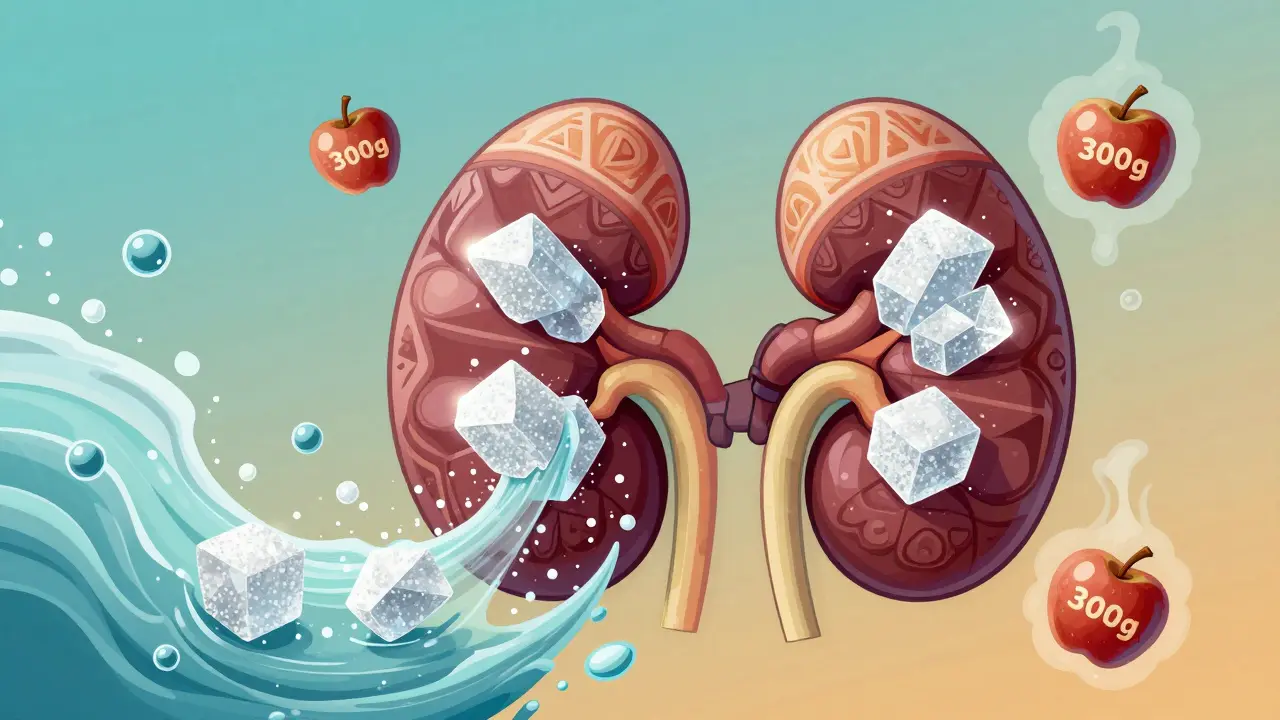
Lithium Toxicity: How Diuretics and NSAIDs Raise Risk and What to Do

Lithium is a powerful mood stabilizer, but even common drugs like NSAIDs and diuretics can push it into toxic levels. Learn how these interactions work, which ones are most dangerous, and what steps to take to stay safe.

view more

By Barrie av / Jan, 4 2026

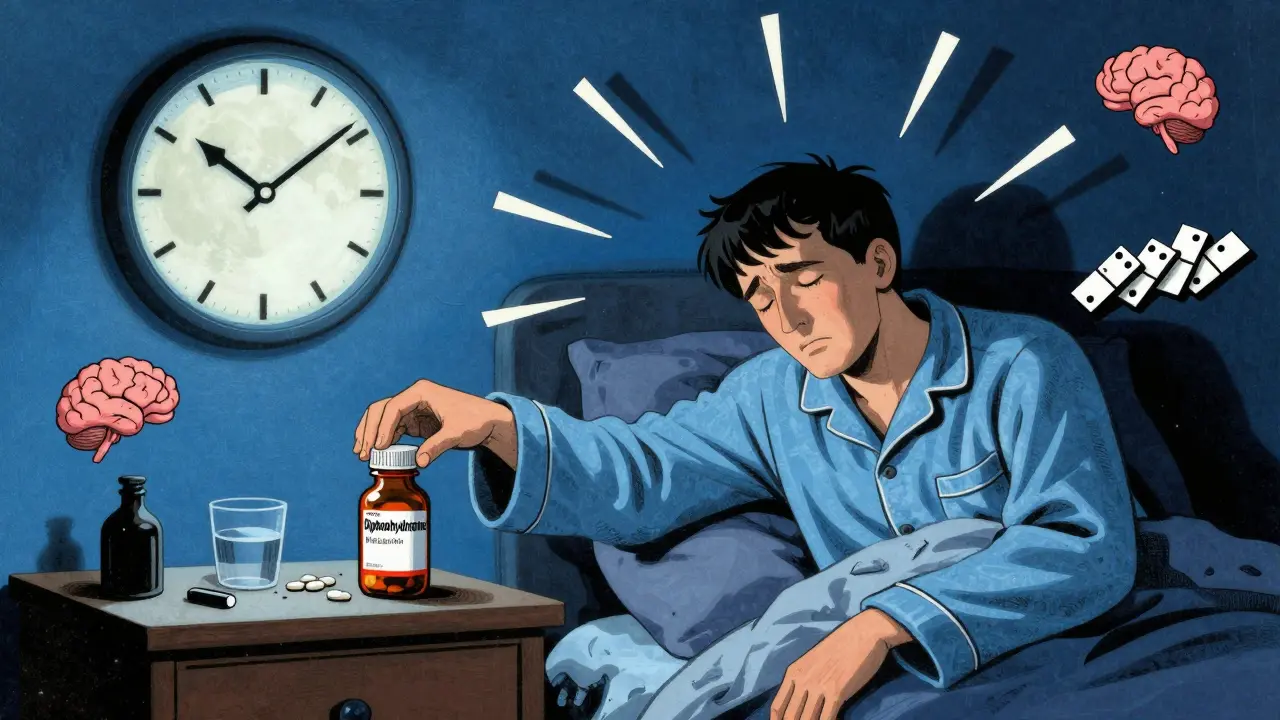
Medication Safety Myths vs. Facts: What Patients Really Need to Know

Debunking common medication myths that put patients at risk-from OTC drug dangers to stopping antibiotics early. Learn the facts that can prevent ER visits and save lives.

view more

By Barrie av / Jan, 3 2026

Allergy and Cold Medications: How to Avoid Dangerous Drug Interactions

Combination cold and allergy medications can cause dangerous interactions, including acetaminophen overdose and high blood pressure. Learn how to read labels, avoid hidden ingredients, and choose safer alternatives.

view more

By Barrie av / Jan, 3 2026

Aspirin Therapy for Heart Disease Prevention: Who Should Take It in 2026?

Aspirin is no longer recommended for most people to prevent first heart attacks. Learn who still might benefit from daily low-dose aspirin in 2026 based on updated guidelines, bleeding risks, and individual health factors.

view more

By Barrie av / Jan, 1 2026

Pregnancy and Lactation Labeling Rule (PLLR): How to Read FDA Drug Safety Info

The FDA's Pregnancy and Lactation Labeling Rule (PLLR) replaced outdated letter categories with detailed, evidence-based safety info for pregnant and breastfeeding women. Learn how to read the new labels and make informed decisions.

view more

By Barrie av / Dec, 31 2025

Fasted vs Fed State Testing: Why Both Conditions Matter for Health and Drugs

Fasted and fed state testing reveal how food affects drug absorption and exercise performance. Understanding both conditions ensures safer medications and smarter training strategies.

view more